
Đề thi vào 10 môn Anh Đồng Nai
Đề thi vào 10 môn Anh Đồng Nai năm 2026
Đề thi
I. MULTIPLE-CHOICE SECTION (7.5 points)
Choose the letter (A, B, C or D) to indicate the correct answer to each of the following questions.
1. Polar bears need ice to find food and live. ________, the ice is disappearing.
A. Although
B. However
C. So
D. Because
2. Tessa found these photos while she ________ out her cupboards.
A. is cleaning
B. will clean
C. was cleaning
D. cleans
3. The local restaurant is often ________ of people at the weekends.
A. busy
B. crowded
C. strong
D. full
4. Stacey suggested ________ for a walk, but no one else wanted to.
A. going
B. goes
C. go
D. went
5. My mother bought this shirt because it was good in quality and ________ in price.
A. reasonable
B. valuable
C. comfortable
D. enjoyable
6. Alice: What did you leave the party early ________?
Zac: I didn’t feel very well.
A. like
B. away
C. for
D. as
Choose the letter (A, B, C or D) to indicate the word whose underlined part differs from the other three in pronunciation in the following question.
7.
A. reduce
B. number
C. summer
D. product
Choose the letter (A, B, C or D) to indicate the word that differs from the other three in the position of primary stress in the following question.
8.
A. tablet
B. canteen
C. model
D. landscape
Choose the letter (A, B, C or D) to indicate the underlined part that needs correction in each of the following questions.
9. The cakes which that bakery sells always looks delicious.
A. The
B. which
C. bakery
D. looks
10. I wish I could do a project on a traditionally festival of Khmer people.
A. could
B. on
C. traditionally
D. of
Complete the conversation between Ben and Anna. What does Anna say to Ben? Choose the correct letter (A–F). There is ONE extra letter you do not need to use.
Ben: I’m going to the children’s theatre on Saturday afternoon.
Anna: Cool! That’s a fun thing for you to do.
Ben: Some actors and a clown will tell some funny stories.
Anna: (11) .............................................................
Ben: Are you free on Saturday afternoon?
Anna: (12) .............................................................
Ben: How about coming with us to the theatre?
Anna: (13) .............................................................
Ben: Don’t worry. My sister can’t come, so you can have hers.
Anna: (14) .............................................................
Ben: By car. We can give you a lift if you like.
Anna: (15) .............................................................
Ben: I’m sure that’ll be fine. I’m so excited – it’ll be an amazing show!
|
A. I’d love to. Do I need to buy a ticket? B. I have a basketball match in the morning, but it finishes at eleven o’clock. C. Of course we do. We’ll love it. D. Are you sure that’s OK? I can walk if it’s a problem. E. That’s great! How are you going to get there on Saturday? F. Oh yes! I’ve seen a poster with them on it. |
Choose the letter (A, B, C or D) to indicate the best arrangement of utterances or sentences to make a meaningful exchange or text in each of the following questions.
16.
a. Tim: I practice speaking English with my friends online.
b. Susan: How do you improve your English speaking skill?
c. Susan: That sounds very helpful.
A. b-a-c
B. a-c-b
C. c-a-b
D. b-c-a
17.
Hi Stephanie,
I’ve got some good news. We’ve just finished a fantastic science project.
a. Finally, we presented our project in front of the class.
b. First, we collected information from books and the Internet.
c. Write and tell me your news.
d. Then, we made a model together after school.
Love,
Marion
A. a-c-d-b
B. a-d-c-b
C. b-d-c-a
D. b-d-a-c
Read the following passage. Choose the letter (A, B, C or D) to indicate the correct word or phrase that best fits each of the numbered blanks.
Life before mobile phones
Today, nearly all teenagers have a mobile phone and cannot imagine life (18) ______ one. But most of their parents did not have a mobile phone when they were young – the idea of one did not even enter their heads.
Twenty-five years ago, young people did not (19) ______ to their friends on the phone very much. There were phones in the home, but these were used by the whole family. Instead, young people often (20) ______ with their friends and did a variety of activities with them.
Today, many parents are happy for (21) ______ teenage children to have a phone. They think there are good reasons for them having one. For example, if their children are out, they can phone them to find out where they are and (22) ______ they will be home.
18.
A. with
B. on
C. at
D. without
19.
A. say
B. speak
C. call
D. tell
20.
A. hung out
B. cut down
C. looked up
D. went over
21.
A. they
B. them
C. their
D. theirs
22.
A. how far
B. who
C. what
D. what time
Read the passage and choose the letter (A, B, C or D) to indicate the correct answer to each of the following questions.
My fashion blog
17-year-old Jayden Spahn talks about her love of fashion.
I’ve loved clothes since I was about five. Each morning, I spend time thinking about what to wear. My mum gets angry sometimes and tells me to hurry up, but I don’t think it’s something to worry about. It’s far too important.
Last year, after reading a fashion blog by Rachel, a 19-year-old student, I decided to start one myself. Almost immediately, I posted my first blog. I was really pleased when friends said they loved it – they especially liked the video I made called A world of fashion.
I post something new each day. I keep a fashion diary, where I describe what I’m wearing, and every week I also post a photo of myself in my favourite clothes. Most people say they like the photos. But, for me, the best part is getting messages from fans.
My parents think it’s good for me to have a hobby, and I still do all my homework, so they’re happy for me to do the blog. The only thing they tell me is to be careful about what I read online. They tell me not to worry if people post things that I don’t agree with.
I’m not really interested in becoming a fashion model – I think I might get fed up with someone taking my photograph every day! Maybe, when I’m older, I’ll start my own clothes company, but before that I’m going to do a fashion course at college. I’m already trying to choose the best one!
23. What do we learn about Jayden in the first paragraph?
A. She often takes a long time to get up in the morning.
B. She chooses carefully which clothes to put on.
C. She has many clothes she likes wearing to school.
D. She gets her love of fashion from her mother.
24. Jayden began her fashion blog after she ________.
A. made a video called A world of fashion
B. read a blog written by another teenager
C. talked to her friends about starting one
D. watched a video of a fashion show
25. How do Jayden’s parents feel about her doing a fashion blog?
A. Glad she is sharing her ideas with other young people
B. Certain about the information she finds on the Internet
C. Worried she will spend less time doing college work
D. Pleased she is doing something she enjoys
26. The phrase “fed up” in the last paragraph is CLOSEST in meaning to ________.
A. fascinated
B. interested
C. frightened
D. bored
27. Which of the following is NOT mentioned in the passage?
A. Jayden plans to study fashion in the future.
B. Jayden writes things in her fashion diary.
C. Jayden sells clothes online to teenagers.
D. Jayden enjoys receiving messages from her fans.
Read the texts and choose the letter (A, B, C or D) to indicate the best answer to each of the following questions.
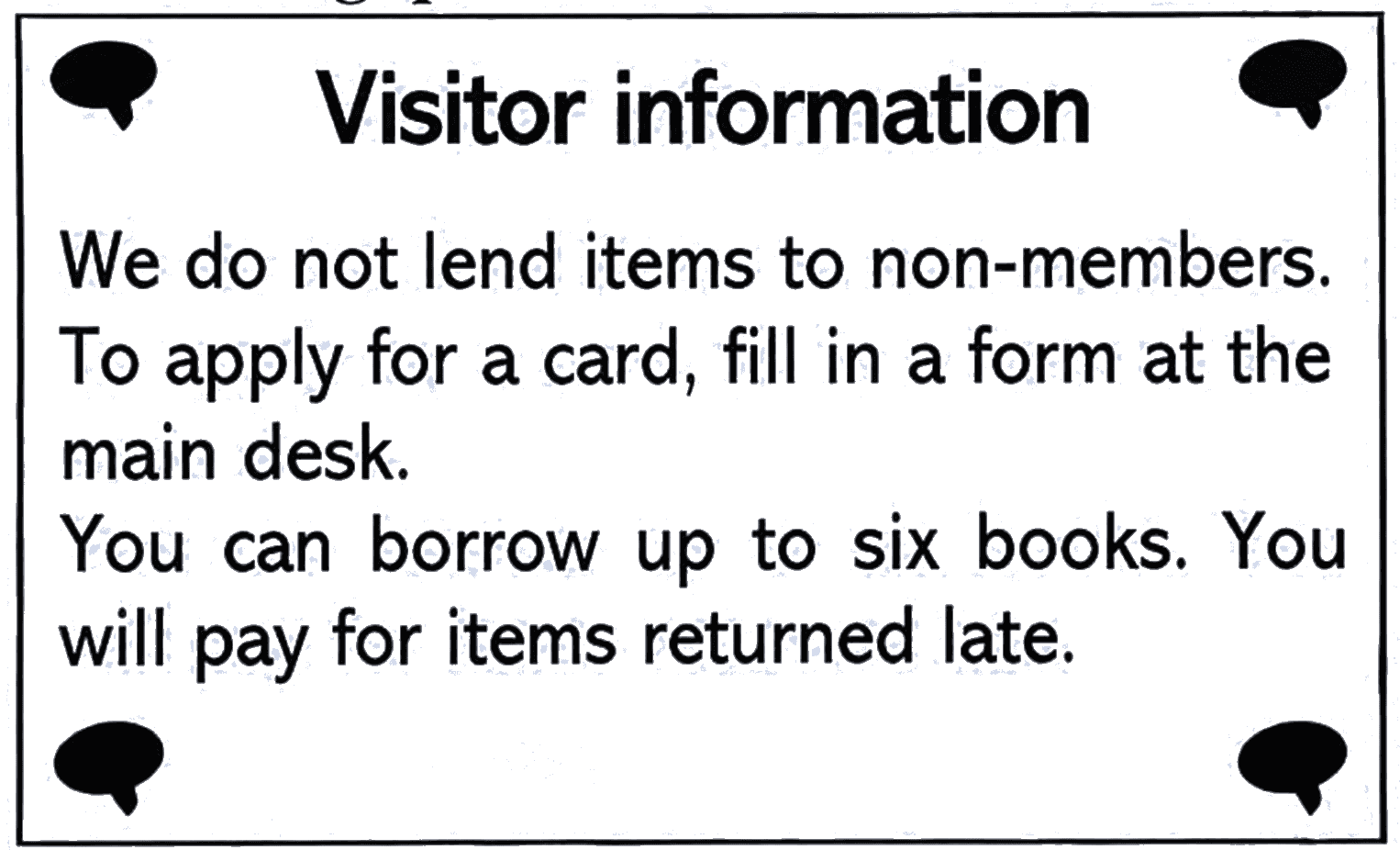
28. Where might people see this notice?
A. At a museum
B. At a store
C. At a library
D. At a bank
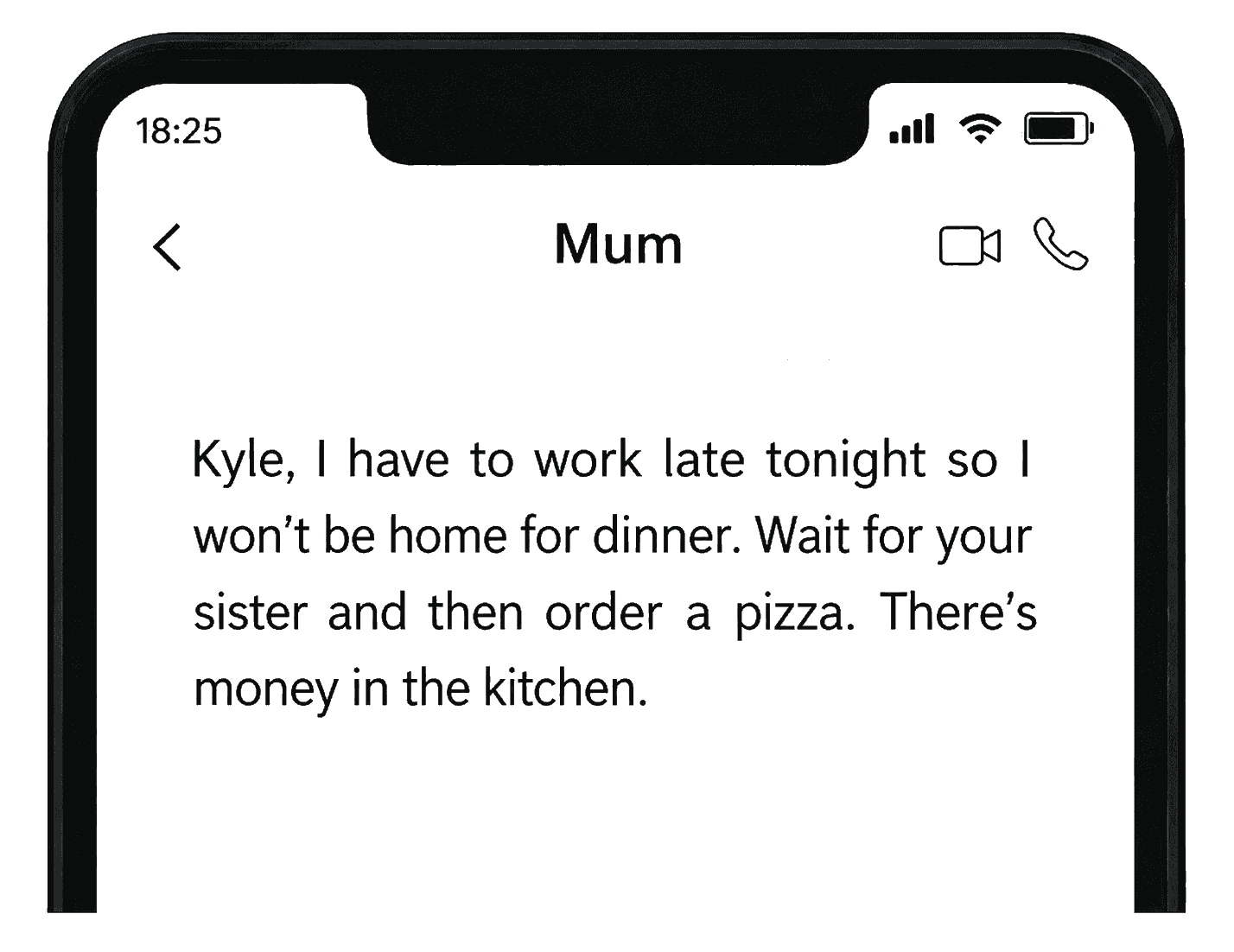
29. What does the message say?
A. Kyle has to work late tonight.
B. Kyle has to buy something for his dinner.
C. Kyle should ask his sister what she'd like to eat.
D. Kyle will eat when his mum comes home.
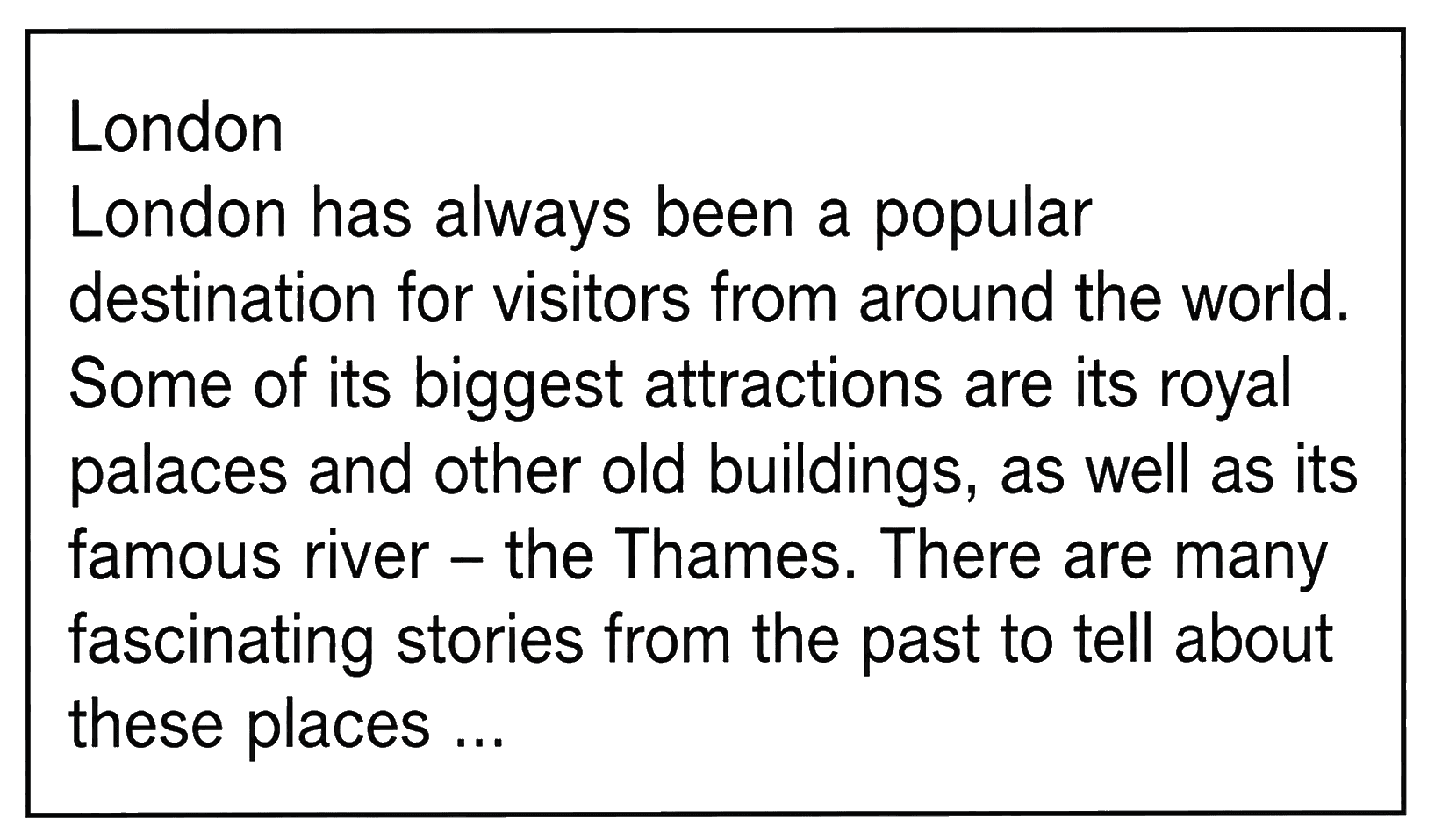
30. What do you think the text is going to do?
A. Provide information about the world's longest river
B. Recommend places to visit in London
C. Explain why London has many tourists
D. Describe the history of some places in London
II. WRITING SECTION (2.5 points)
Rewrite the second sentence so that it has a similar meaning to the original one, beginning with the given word(s).
31. We don't look after our forests and seas, so we're losing lots of wild animals and plants.
→ Because...........................................................
32. Making a good career choice is not easy.
→ It is difficult...................................................
33. "We will visit Bu Gia Map National Park tomorrow," said the students.
→ The students said that.....................................
34. Dan loves to create new things in his free time.
→ Dan is fond ...................................................
Order the words to make complete sentences.
35. phone / expensive / That / mine./ was / more / than /
36. adon't / environmental problems / people / take /If / more serious. / will / action, / immediate / become /
37. In 100-120 words, write a paragraph about why students should do volunteer work.
You can use the following cues or your own ideas.
- help people in need;
- learn to share with others;
- develop teamwork skills;
- become more responsible;
- ...
Xem đáp án
HƯỚNG DẪN GIẢI
Thực hiện: Ban chuyên môn trithuchub.com
|
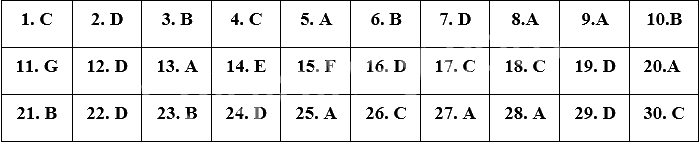
1. B |
2. C |
3. D |
4. A |
5. A |
6. C |
7. A |
8. B |
9. D |
10. C |
|
11. F |
12. B |
13. A |
14. E |
15. D |
16. A |
17. D |
18. D |
19. B |
20. A |
|
21. C |
22. D |
23. B |
24. B |
25. D |
26. D |
27. C |
28. C |
29. B |
30. B |
31. we don’t look after our forests and seas, we’re losing lots of wild animals and plants.
32. to make a good career choice.
33. they would visit Bu Gia Map National Park the following day/ the next day.
34. of creating new things in his free time.
35. That phone was more expensive than mine.
36. If people don’t take immediate action, enviromental problems will become more serious.
37.
Dàn ý:
Mở đoạn: Dẫn dắt vào chủ đề và khẳng định học sinh nên tham gia công việc tình nguyện (volunteer work).
Thân đoạn: Nêu các lý do cụ thể (áp dụng các gợi ý từ đề bài):
- Lý do 1: Giúp đỡ những người có hoàn cảnh khó khăn (help people in need) và học cách chia sẻ (learn to share).
- Lý do 2: Phát triển các kỹ năng mềm quan trọng như làm việc nhóm (teamwork skills).
- Lý do 3: Trở nên có trách nhiệm hơn với cộng đồng và bản thân (become more responsible).
Kết đoạn: Khẳng định lại ý nghĩa của việc làm tình nguyện đối với học sinh.
Bài mẫu:
There are many reasons why students should join volunteer work. Firstly, volunteering helps people in need, such as poor children or old people living alone. Students can learn to care for others and share with the community. Moreover, volunteer activities help students become more responsible. When taking part in group activities, they learn to finish tasks on time and help other team members. Finally, students can widen their network by meeting new friends and teachers from different places. They can learn many useful things from others and improve their communication skills. In conclusion, volunteer work is meaningful and beneficial for students.
Đề thi vào 10 môn Anh Đồng Nai năm 2025
Đề bài
I. MULTIPLE-CHOICE SECTION (7.5 points)
Choose the letter (A, B, C or D) to indicate the correct answer to each of the following questions.
1. Tim: ___________ was your trip like? - Nick: It was awful. The train didn't arrive until 3 a.m.
A. How
B. Where
C. What
D. Which
2. In modern classrooms, students often use various electronic ____________ such as tablets and laptops to help with their learning.
A. furniture
B. equipment
C. methods
D. devices
3. We used __________ martial arts, but now we don't have time.
A. do
B. to do
C. did
D. doing
4. The new department store is __________ than the old one.
A. nice
B. the nicest
C. nicer
D. as nice
5. Sorry, I have a terrible _________ for names. I've forgotten what your daughter is called.
A. memory
B. memorable
C. memorize
D. memorably
6. I wish I __________ enough money to visit all the natural wonders of the world.
A. have
B. had
C. will have
D. having
Choose the letter (A, B, C or D) to indicate the word whose underlined part differs from the other three in pronunciation in the following question.
7.
A. vehicles
B. solutions
C. skyscrapers
D. immigrants
Choose the letter (A, B, C or D) to indicate the word that differs from the other three in the position of primary stress in the following question.
8.
A. musician
B. benefit
C. badminton
D. habitat
Choose the letter (A, B, C or D) to indicate the underlined part that needs correction in each of the following questions.
9. The doctor suggested that he takes the medicine every day to get over his illness more quickly.
A. takes
B. get
C. more
D. quickly
10. She rang James, which was a really good friend as well as the family doctor.
A. rang
B. which
C. really
D. well
Jenny's Uncle David is a mechanic and she's visiting him at work to ask him about his job. Read the conversation and choose the correct letter (A-G) for each of Uncle David's answers. There are TWO extra letters you do not need to use.
Jenny: Hello, Uncle David. Have you just repaired that red car?
David: Yes, and now I'm having a break.
Jenny: That's good, because I'm going to ask you more questions!
David: (11) ..........................................................
Jenny: Your job. What have you just done to this car behind us?
David: (12) ..........................................................
Jenny: Have you? Do you usually do that for people?
David: (13) ..........................................................
Jenny: Oh, I see! How many cars have you worked on this week?
David: (14) ..........................................................
Jenny: I want to be a mechanic when I grow up.
David: (15) ..........................................................
|
A. Not always, but that one's mine! B. Go away! Don't ask him now. C. Haven't you? I tidied it yesterday. D. Oh, I've only washed that blue one! E. I've repaired about 12, I think. F. Do you? Well, you can start today. You can help me tidy my office. G. Are you? What about? |
Choose the letter (A, B, C or D) to indicate the best arrangement of utterances or sentences to make a meaningful exchange or text in each of the following questions.
16.
a. Alex: Excuse me, how can I get to the train station?
b. Alex: Thank you so much for your help!
c. Stranger: Sure, just go straight ahead and take the second left.
A. b – c – a
B. c – a – b
C. b – a – c
D. a – c – b
17.
Hi Nadine,
Thank you for your birthday present.
a. Send your parents my best wishes.
b. Are you having a party for you, too? I hope you have fun.
c. I got lots of great ones, but yours was the best! I had a lovely birthday.
d. I'm sorry you couldn't come! I know your birthday is next week.
e. All my friends came to the party and we really enjoyed it.
See you soon.
Love,
Grace
A. e – c – a – b – d
B. b – c – d – a – e
C. c – e – d – b – a
D. a – b – c – d – e
Read the text and choose the letter (A, B, C or D) to indicate the correct word or phrase that best fits each of the numbered blanks.
An Unusual Bookshop
Most bookshops sell thousands of different books. So, you may think the Japanese shop Morioka Shoten is a (18) __________ bit strange. That's because this bookshop sells only one book at a time.
Yoshiyuki Morioka opened this unusual shop (19) _________ May 2015. In his first job as a bookshop assistant in Tokyo, he (20) ___________ that most customers coming into the shop bought only one book. He also noticed that they really wanted to buy this book (21) _________ they saw it in the shop window. So, he got the idea to open a bookshop that sells lots of copies of just one book.
Yoshiyuki's bookshop offers a different new book each week. He chooses the weekly book so that customers with different interests will (22) _________ to his shop. One week it could be a story book, and the next it could be a book about photography. The shop is becoming very popular with locals and visitors from other countries.
18.
A. many
B. much
C. little
D. few
19.
A. on
B. to
C. at
D. in
20.
A. found out
B. got on
C. looked after
D. got around
21.
A. so
B. because
C. but
D. moreover
22.
A. came
B. comes
C. coming
D. come
Read the passage and choose the letter (A, B, C or D) to indicate the correct answer to each of the following questions.
Craig Giles, the cookie boy
When Craig Giles was six, he told his mother he didn't like taking the bus to school. All his teachers had cars, and he wanted to get her a car to drive him there too. He had the idea of selling snacks to pay for one. With his mother's help, he started Mr. Craig's Cookies business.
Craig and his mother spent a long time learning to bake. When Craig was ready to start selling his cookies, he wasn't sure if any customers would want to buy them, but everyone immediately loved them! Then Craig's mum had an idea - she wanted Craig to save the money he made, so he could go to college one day.
Making cookies wasn't easy. “They were either too hard or too soft," explains Craig's mum. They didn't want to buy a costly new cooker. But then one day last month, they baked some more cookies and tried them. It was an amazing moment - they both immediately knew that the cookies tasted just right!
The cookies are made from the best ingredients - including sugar. Craig understands that many of his customers want to eat things that are good for them. And that's why he now makes low-sugar cookies as well.
Craig's mother has been an important part of her son's success. She explains, "Cookies taught me about business. Because of cookies, my son and I have met some amazing people. Cookies have really improved my son's life, and mine."
23. Craig started his cookie business ____________.
A. since he didn't want to study at school anymore
B. so that he could earn money to buy his mother a car
C. because his mother wanted him to start working
D. after a teacher suggested it to him
24. The word "them" in paragraph 2 refers to ___________.
A. Craig and his mother
B. colleges
C. customers
D. cookies
25. Craig's mother wanted him to ____________.
A. go to college
B. do a cooking course
C. get more customers
D. sell cookies online
26. The word "costly" in paragraph 3 is OPPOSITE in meaning to ___________.
A. pricey
B. expensive
C. cheap
D. liveable
27. In the last paragraph, Craig's mother describes __________.
A. how cookies have helped Craig and her
B. what she likes about making cookies with Craig
C. why she and Craig have a successful cookie business
D. how she teaches Craig to make cookies
Read the texts and choose the letter (A, B, C or D) to indicate the correct answer for each question.
|
Barbara, I had a great time skateboarding with you again yesterday! I can't find my cap anywhere. Did I leave it at your place? Ken |
28. What would Ken like Barbara to do? A. look for something that he has lost B. bring his skateboard to school C. go skateboarding with him soon D. decide where they will meet next |
|
ALL PLATFORMS Wait for passengers to get off the train before you got on. When on the train, please stand away from the doors. |
29. This information explains A. where to go if you missed your train B. how you can get a train ticket C. what to do if there is a problem on your train D. what you need to do for any train journey |
|
Carl, Couldn't wait any longer, didn't want to miss the start of the match! Problem at work? Here's your ticket-see you at the stadium. Martin |
30. What does the note say? A. Martin couldn't wait for Carl to start work. B. Carl and Martin missed each other at the stadium. C. Martin has given up waiting for Carl to arrive. D. Martin had to leave without Carl to get to work. |
II. WRITING SECTION (2.5 points)
Rewrite the second sentence so that it has a similar meaning to the original one, beginning with the given word(s).
31. It is such an amazing book that I've read it twice.
→ The book is so...........................................................
32. It rained all the time, but we had a great holiday in New Zealand.
→ Although…………………………………………….
33. "I work out at the gym to maintain my physical health," said my brother.
→ My brother said that.....................................................
Order the words to make complete sentences.
34. your/ finished/you/tests/ yet?/ Have/
35. to/ bullies/it/report/ you,/ the/ you/ teacher./ If/ someone/ should/
36. a/ way/ than just/ effective as/no/ is/ Learning English/more/language./ students/in/ need/ traditional/ a/longer/
37. Your school has a writing contest "My Province - My Pride". Your teacher asks you to write a paragraph about a beautiful place in Dong Nai that you are proud of.
In 100-120 words, write a paragraph about that place. You may use the cues below or your own ideas.
- the name of the place
- its location
- its features
- activities people can do there'
- the best time to visit
- what you like most about the place
- …
---------------------The end---------------------
Xem đáp án
HƯỚNG DẪN GIẢI
Thực hiện: Ban chuyên môn trithuchub.com

31. The book is so amazing that I’ve read it twice.
32. Although it rained all the time, we had a great holiday in New Zealand.
33. My brother said that he worked out at the gym to maintain his physical health.
34. Have you finished your tests yet?
35. If someone bullies you, you should report it to the teacher.
36. Learning English in a traditional way is no longer effective as students need more than just a language.
Đề thi vào 10 môn Anh Đồng Nai năm 2023
Đề bài
I. PHONETICS (1.0 point)
Choose the letter (A, B, C or D) to indicate the word whose underlined part differs from the other three in pronunciation in each of the following questions.
1.
A. what
B. which
C. who
D. where
2.
A. health
B. appear
C. ready
D. heavy
Choose the letter (A, B, C or D) to indicate the word that differs from the other three in the position of primary stress in each of the following questions.
3.
A. summer
B. support
C. replace
D. consist
4.
A. designer
B. vacation
C. important
D. national
II. LEXICO-GRAMMAR AND COMMUNICATION (3.25 points)
Choose the letter (A, B, C or D) to indicate the correct answer to each of the following questions.
5. You should spend more time _______ to English programs on the radio.
A. to listen
B. listen
C. listening
D. listened
6. In order not to waste electricity, please turn the lights _______ before you leave the room.
A. at
B. on
C. up
D. off
7. You haven’t seen the new Star Wars movie, _______?
A. do you
B. have you
C. won’t you
D. did you
8. I prefer watching music videos _______ are on YouTube.
A. which
B. whose
C. who
D. whom
9. The Lunar New Year holiday is the most important _______ for Vietnamese people.
A. decoration
B. interaction
C. religion
D. celebration
Choose the letter (A, B, C or D) to indicate the word CLOSEST in meaning to the underlined word in the following question.
10. Wearing informal clothes makes me feel comfortable.
A. colorful
B. loose
C. casual
D. striped
Choose the letter (A, B, C or D) to indicate the the underlined part that needs correction in each of the following question.
11. We can save nature resources by using solar energy instead of coal, gas and oil.
A. save
B. nature
C. using
D. of
12. My father still walked to the office although the heavy rain.
A. My
B. walked
C. although
D.heavy
Complete the conversation between two friends. What does Emma say to Jacob? Choose the correct letter (A-F). There is ONE extra letter you do not need to use.
|
A. I know. I read somewhere that she hasn’t started writing it yet. B. What about going to see it together? C. Me too! I can’t wait to read the next one. D. It’s a book. I’m reading at the moment. E. Friday is best because I don’t have any homework. F. Not yet. I’ve been quite busy. |
Jacob: Who’s your favourite writer, Emma?
Emma: I think it must be J.K. Rowling.
Jacob: Oh, yes. I love all her Harry Potter books.
Emma: (13) _____________________________
Jacob: You’ll have to wait for a while, I think.
Emma: (14) _____________________________
Jacob: Have you seen the latest Harry Potter film?
Emma: (15) _____________________________
Jacob: My brother says it’s even better than the others.
Emma: (16) _____________________________
Jacob: That’s a good idea. When are you free?
Emma: (17) _____________________________
Jacob: That’s great. See you then.
III. READING (3.25 points)
Read the following passage. Choose the letter (A, B, C or D) to indicate the correct word that best fits each of the numbered blanks.
I’ll never forget something that happened to me when I was 16 years old. I thought that it was time to get fit. All my friends were (18) ________ part in sports or going to the gym every day (19) _______ I thought it was a good idea to do the same. Well, I decided to take up football. I was a fast runner and it was fun hanging out with all the other players. Anyway, our team trained very hard every day and we (20) _______ enough games to play in the final! On the day of the big match we were very nervous. There were hundreds of people in the (21) ______. With two minutes left, the score was 2-2. The ball came to me and I kicked it as hard (22) _______ I could. The ball went the wrong way and the spectators went silent. I looked around and saw why - I had scored a goal for the other team!
18.
A. bringing
B. putting
C. taking
D. making
19.
A. so
B. but
C. although
D. however
20.
A. win
B. winning
C. to win
D. won
21.
A. market
B. stadium
C. zoo
D. library
22.
A. than
B. like
C. to
D. as
Read the following article and choose the letter (A, B, C or D) to indicate the correct answer to each of the following questions.
Identical twins have the same physical appearance. When you look at a photo of identical twins, you might see that they both have the same height, hair and eye color.
When you first see them, identical twins look the same, but there are some differences in their looks, Partrick Flynn, a computer scientist from the University of Notre Dame in the United States, uses computer technology to look closely at identical twins. Computers can recognize people when they cut their hair or grow a beard. So how about twins? Can computers tell the difference? The answer is: Yes! While humans can tell how people feel, computers are good at noticing very small physical differences. Technology can see things like differences in the size of freckles.
So what can humans do to identify identical twins? Their personalities can be different. One twin may be quiet, while the other twin may be talkative. They may also like different things and have different hobbies. Looking alike doesn’t mean acting alike.
23. Identical twins are twins that ________.
A. look almost the same
B. look very different
C. wear the same clothes
D. use computer technology
24. In the second paragraph, the word they refers to _________.
A. computers
B. differences
C. people
D. things
25. Technology can be used to see small differences between identical twins, such as _________.
A. fashions
B. hairstyles
C. interests
D. freckles
26. In the last paragraph, the words quiet and talkative may describe someone’s _________.
A. hobbies
B. personality
C. physical appearance
D. looks
27. What could be the best title for this article?
A. The Same, but Different?
B. The lives of Twins
C. Why Twins Look Alike?
D. The Differences in Appearance
Read the following texts and choose the letter (A, B, C or D) to indicate the correct answer to each of the following questions.
|
Please don’t eat ice creams here. They aren’t good for our books! Please finish them outside before you come in. Thanks. |
28. Where might you see this? A. in a café B. in a swimming pool C. in a library D. in a picnic area |
|
Hi George, I’m going camping next weekend, so can I borrow your tent? You bought one last summer, didn’t you? If you’ve got a small cooker, that would be great, too. Thanks. Josh |
29. Why has Josh sent this message? A. to ask George go camping with him next weekend B. to ask if George will lend him some camping equipment C. to tell George about a new tent he’s going to buy D. to tell George to buy a tent |
|
City Theatre We cannot change your seats after you have booked tickets. |
30. What can’t theatre customers do? A. ask for different seats after they’ve paid B. choose where they sit before they book C. get their money back on tickets D. buy tickets at the City Theatre |
IV. WRITING (2.5 points)
Rewrite the second sentence so that it has a similar meaning to the original one, beginning with the given words.
31. The children are excited about seeing you again.
=> The children are looking forward _____________.
32. Nobody has answered my questions properly.
=> My questions _____________________________.
33. Work hard and you will pass the exam.
=> If you work _______________________________.
Order the words to make complete sentences.
34. go/ you/ to/ tonight/ the/ to/ Would/ party/ like/ ?
=> _________________________________________.
35. I/ to/ go/ the/ park/ with/ to / used/ my/ parents/.
=> _________________________________________.
36. passed/ My father/ learned/ was/ I/ had/ the/ entrance exam/ that/ high school/ pleased/ when/to.
=>__________________________________________.
Đáp án
HƯỚNG DẪN GIẢI
THỰC HIỆN: BAN CHUYÊN MÔN LOIGIAIHAY.COM

31. to seeing you again.
32. have not been answered properly.
33. hard, you will pass the exam.
34. Would you like to go to the party tonight?
35. I used to go to the park with my parents.
36. My father was pleased when he learned that I had passed the entrance exam to high school.
HƯỚNG DẪN GIẢI CHI TIẾT
1. (NB)
Kiến thức: Cách phát âm “wh”
Giải thích:
A. what /wɒt/
B. which /wɪtʃ/
C. who /huː/
D. where /weə(r)/
Phần gạch chân phương án C là âm câm, còn lại phát âm là /w/
Đáp án C
2. (NB)
Kiến thức: Cách phát âm đuôi “ea”
Giải thích:
A. health /helθ/
B. appear /əˈpɪə(r)/
C. ready /ˈredi/
D. heavy /ˈhevi/
Phần gạch chân phương án B được phát âm là /ɪə/, còn lại phát âm là /e/
Đáp án B
3. (NB)
Kiến thức: Trọng âm từ 2 âm tiết
Giải thích:
A. summer /ˈsʌmə(r)/
B. support /səˈpɔːt/
C. replace /rɪˈpleɪs/
D. consist /kənˈsɪst/
Phương án A có trọng âm rơi vào âm tiết 1, còn lại là âm tiết 2
Đáp án A
4. (NB)
Kiến thức: Trọng âm từ 2 âm tiết
Giải thích:
A. designer /dɪˈzaɪnə(r)/
B. vacation /vəˈkeɪʃn/
C. important /ɪmˈpɔːtnt/
D. national /ˈnæʃnəl/
Phương án D có trọng âm rơi vào âm tiết 1, còn lại là âm tiết 2.
Đáp án D
5. (TH)
Kiến thức: to V/ V-ing
Giải thích:
Cấu trúc dành thời gian để làm gì:
S + spend(s)/ spent + time + V-ing + O.
=> You should spend more time listening to English programs on the radio.
Tạm dịch: Bạn nên dành nhiều thời gian hơn để nghe các chương trình tiếng Anh trên radio.
Đáp án C
6. (TH)
Kiến thức: Giới từ
Giải thích: turn on: bật >< turn off: tắt
=> In order not to waste electricity, please turn the lights off before you leave the room.
Tạm dịch: Để không lãng phí điện, vui lòng tắt đèn trước khi ra khỏi phòng.
Đáp án D
7. (TH)
Kiến thức: Câu hỏi đuôi
Giải thích:
Vế trước câu hỏi đuôi dùng phủ định thì hiện tại hoàn thành => câu hỏi đuôi dùng khẳng định thì hiện tại hoàn thành
=> You haven’t seen the new Star Wars movie, have you?
Tạm dịch: Bạn chưa xem bộ phim Chiến tranh giữa các vì sao mới phải không?
Đáp án B
8. (TH)
Kiến thức: Đại từ quan hệ
Giải thích: “music videos” là danh từ chỉ vật, sau chỗ trống là động từ tobe “are” => dùng “which” thay thế cho dnah từ chỉ vật đóng vai trò làm chủ ngữ trong câu.
=> I prefer watching music videos which are on YouTube.
Tạm dịch: Tôi thích xem các video âm nhạc trên YouTube hơn.
Đáp án A
9. (TH)
Kiến thức: Từ vựng
Giải thích:
A. decoration (n): sự trang trí
B. interaction (n): sự tương tác
C. religion (n): tôn giáo
D. celebration (n): lễ ăn mừng
=> The Lunar New Year holiday is the most important celebration for Vietnamese people.
Tạm dịch: Tết Nguyên Đán là dịp lễ quan trọng nhất đối với người Việt Nam.
Đáp án D
10. (TH)
Kiến thức: Từ đồng nghĩa
Giải thích:
A. colorful (adj): màu sắc
B. loose (adj): lỏng lẻo
C. casual (adj): xuềnh xoàng
D. striped (adj): có sọc
=> informal clothes = casual clothes: những bộ quần áo bình thường, mặc hàng ngày
Tạm dịch: Mặc quần áo bình thường khiến tôi cảm thấy thoải mái.
Đáp án C
11. (TH)
Kiến thức: Từ loại
Giải thích: Trước danh từ (resources) thì chúng ta cần dùng tính từ.
Sửa: “nature” => natural
=> We can save natural resources by using solar energy instead of coal, gas and oil.
Tạm dịch: Chúng ta có thể tiết kiệm tài nguyên thiên nhiên bằng cách sử dụng năng lượng mặt trời thay vì than, khí đốt và dầu mỏ.
Đáp án B
12. (TH)
Kiến thức: Liên từ
Giải thích: “the heavy rain” là một cụm danh từ nên chúng ta không dùng “although”
Sửa: “although” => “despite/ in spite of”
=> My father still walked to the office despite the heavy rain.
Tạm dịch: Bố tôi vẫn đi bộ đến văn phòng mặc dù trời mưa to.
Đáp án C
13. (TH)
Kiến thức: Ngôn ngữ giao tiếp
Giải thích:
Jacob: Ai là nhà văn yêu thích của bạn, Emma?
Emma: Tôi nghĩ đó phải là J.K. Rowling.
Jacob: Đúng vậy. Tôi yêu tất cả những cuốn sách Harry Potter của cô ấy.
Emma: (13) _____________________________
=> C. Me too! I can’t wait to read the next one.
Tạm dịch: C. Tôi cũng vậy! Tôi nóng lòng muốn đọc cái tiếp theo.
Đáp án C
14. (TH)
Kiến thức: Ngôn ngữ giao tiếp
Giải thích:
Jacob: You’ll have to wait for a while, I think.
Emma: (14) _____________________________
=> A. I know. I read somewhere that she hasn’t started writing it yet.
Tạm dịch: A. Tôi biết. Tôi đã đọc ở đâu đó rằng cô ấy vẫn chưa bắt đầu viết nó.
Đáp án A
15. (TH)
Kiến thức: Ngôn ngữ giao tiếp
Giải thích:
Jacob: Bạn đã xem bộ phim Harry Potter mới nhất chưa?
Emma: (15) ___________________________________
=> F. Not yet. I’ve been quite busy.
Tạm dịch: F. Chưa. Tôi đã khá bận rộn.
Đáp án F
16. (TH)
Kiến thức: Ngôn ngữ giao tiếp
Giải thích:
Jacob: Anh trai tôi nói rằng nó thậm chí còn tốt hơn những cái khác.
Emma: (16) _________________________________
Đáp án B
17. (TH)
Kiến thức: Ngôn ngữ giao tiếp
Giải thích:
Jacob: Đó là một ý kiến hay. Khi nào bạn rảnh?
Emma: (17) __________________________________
=> E. Friday is best because I don’t have any homework.
Tạm dịch: E. Thứ sáu là tốt nhất vì tôi không có bài tập về nhà.
Đáp án E
Dịch đoạn hội thoại:
Jacob: Ai là nhà văn yêu thích của bạn, Emma?
Emma: Tôi nghĩ đó phải là J.K. Rowling.
Jacob: Ồ, vâng. Tôi yêu tất cả những cuốn sách Harry Potter của cô ấy.
Emma: Tôi cũng vậy! Tôi nóng lòng muốn đọc cái tiếp theo.
Jacob: Bạn sẽ phải đợi một lúc, tôi nghĩ vậy.
Emma: Tôi biết. Tôi đã đọc ở đâu đó rằng cô ấy vẫn chưa bắt đầu viết nó.
Jacob: Bạn đã xem bộ phim Harry Potter mới nhất chưa?
Emma: Chưa. Tôi đã khá bận rộn.
Jacob: Anh trai tôi nói rằng nó thậm chí còn tốt hơn những cái khác.
Emma: Còn việc đi xem cùng nhau thì sao?
Jacob: Đó là một ý kiến hay. Khi nào bạn rảnh?
Emma: Thứ sáu là tốt nhất vì tôi không có bài tập về nhà.
Jacob: Điều đó thật tuyệt. Gặp bạn sau.
18. (TH)
Kiến thức: Từ vựng
Giải thích:
take part in: tham gia (= participate in)
=> All my friends were taking part in sports or going to the gym every day…
Tạm dịch: Tất cả bạn bè của tôi đều đã từng chơi thể thao hoặc đến phòng tập thể hình mỗi ngày...
Đáp án C
19. (TH)
Kiến thức: Liên từ
Giải thích:
A. so: vì vậy
B. but: nhưng
C. although: mặc dù
D. however: tuy nhiên
=> All my friends were taking part in sports or going to the gym every day so I thought it was a good idea to do the same.
Tạm dịch: Tất cả bạn bè của tôi đều tham gia thể thao hoặc đến phòng tập thể dục hàng ngày nên tôi nghĩ cũng nên làm như vậy.
Đáp án A
20. (TH)
Kiến thức: Sự hòa hợp giữa chủ ngữ và động từ
Giải thích:
Sau chủ ngữ “we” nên chúng ta cần điền một động từ, vế trước “and” động từ chia ở thì quá khứ đơn (trained) nên vế sau cũng chia ở thì quá khứ đơn => won
=> Anyway, our team trained very hard every day and we won enough games to play in the final!
Tạm dịch: Dù sao đi nữa, đội của chúng tôi đã tập luyện rất chăm chỉ mỗi ngày và chúng tôi đã giành đủ số trận để vào chơi trận chung kết!
Đáp án D
21. (TH)
Kiến thức: Từ vựng
Giải thích:
A. market (n): chợ
B. stadium (n): sân vận động
C. zoo (n): sở thú
D. library (n): thư viện
=> There were hundreds of people in the stadium.
Tạm dịch: Có hàng trăm người trong sân vận động.
Đáp án B
22. (TH)
Kiến thức: So sánh
Giải thích:
So sánh ngang bằng của trạng từ: S1 + V1 + as adv as + S2 + V2.
=> With two minutes left, the score was 2-2. The ball came to me and I kicked it as hard as I could.
Tạm dịch: Còn hai phút nữa, tỷ số là 2-2. Bóng đến chỗ tôi và tôi đá nó hết sức có thể.
Đáp án D
Dịch bài đọc:
Tôi sẽ không bao giờ quên điều gì đó đã xảy ra với tôi khi tôi 16 tuổi. Tôi nghĩ rằng đó là thời gian để có được phù hợp. Tất cả bạn bè của tôi đều tham gia thể thao hoặc đến phòng tập thể dục hàng ngày nên tôi nghĩ cũng nên làm như vậy. Chà, tôi quyết định tham gia bóng đá. Tôi là một người chạy nhanh và thật vui khi được đi chơi với tất cả những người chơi khác. Dù sao đi nữa, đội của chúng tôi đã tập luyện rất chăm chỉ mỗi ngày và chúng tôi đã giành đủ số trận để vào chơi trận chung kết! Vào ngày diễn ra trận đấu lớn, chúng tôi đã rất lo lắng. Có hàng trăm người trong sân vận động. Còn hai phút nữa, tỷ số là 2-2. Bóng đến chỗ tôi và tôi đá nó hết sức có thể. Bóng đi chệch hướng và khán giả lặng đi. Tôi nhìn quanh và hiểu tại sao - tôi đã ghi một bàn thắng cho đội kia!
23. (TH)
Kiến thức: Đọc hiểu
Giải thích: Cặp song sinh giống hệt nhau là cặp song sinh mà ________.
A. trông gần giống nhau
B. trông rất khác
C. mặc quần áo giống nhau
D. sử dụng công nghệ máy tính
Thông tin: Identical twins have the same physical appearance.
Tạm dịch: Cặp song sinh giống hệt nhau có ngoại hình giống nhau.
Đáp án A
24. (TH)
Kiến thức: Đọc hiểu
Giải thích: Trong đoạn thứ hai, từ “they” đề cập đến _________.
A. computers (n): máy tính
B. differences (n): sự khác biệt
C. people (n): con người
D. things (n): sự vật
Thông tin: Computers can recognize people when they cut their hair or grow a beard.
Tạm dịch: Máy tính có thể nhận ra mọi người khi họ cắt tóc hoặc để râu.
Đáp án C
25. (TH)
Kiến thức: Đọc hiểu
Giải thích: Công nghệ có thể được sử dụng để thấy những khác biệt nhỏ giữa các cặp song sinh giống hệt nhau, chẳng hạn như _________.
A. thời trang
B. kiểu tóc
C. sở thích
D. tàn nhang
Thông tin: Technology can see things like differences in the size of freckles.
Tạm dịch: Công nghệ có thể nhìn thấy những thứ như sự khác biệt về kích thước của tàn nhang.
Đáp án D
26. (TH)
Kiến thức: Đọc hiểu
Giải thích: Trong đoạn văn cuối cùng, những từ yên tĩnh và nói nhiều có thể mô tả _________ của ai đó.
A. sở thích
B. cá tính
C. diện mạo
D. ngoại hình
Thông tin: So what can humans do to identify identical twins? Their personalities can be different. One twin may be quiet, while the other twin may be talkative.
Tạm dịch: Vậy con người có thể làm gì để xác định cặp song sinh giống hệt nhau? Tính cách của họ có thể khác nhau. Một người song sinh có thể ít nói, trong khi người kia có thể nói nhiều.
Đáp án B
27. (TH)
Kiến thức: Đọc hiểu
Giải thích: Điều gì có thể là tiêu đề tốt nhất cho bài viết này?
A. Giống nhau, nhưng khác biệt?
B. Cuộc đời của Song Sinh
C. Tại sao các cặp song sinh giống nhau?
D. Sự khác biệt về ngoại hình
Thông tin:
- Identical twins have the same physical appearance.
- So what can humans do to identify identical twins? Their personalities can be different.
Tạm dịch:
- Cặp song sinh giống hệt nhau có ngoại hình giống nhau.
- Vậy con người có thể làm gì để xác định cặp song sinh giống hệt nhau? Tính cách của họ có thể khác nhau.
Đáp án A
Dịch bài đọc:
Cặp song sinh giống hệt nhau có ngoại hình giống nhau. Khi nhìn vào bức ảnh của các cặp song sinh giống hệt nhau, bạn có thể thấy rằng cả hai đều có chiều cao, tóc và màu mắt giống nhau.
Khi bạn lần đầu tiên nhìn thấy chúng, các cặp song sinh giống hệt nhau trông giống nhau, nhưng có một số khác biệt về ngoại hình, Partrick Flynn, một nhà khoa học máy tính từ Đại học Notre Dame, Hoa Kỳ, sử dụng công nghệ máy tính để quan sát kỹ các cặp song sinh giống hệt nhau. Máy tính có thể nhận ra mọi người khi họ cắt tóc hoặc để râu. Vậy còn cặp song sinh thì sao? Máy tính có thể cho biết sự khác biệt? Câu trả lời là: Có! Trong khi con người có thể cho biết mọi người cảm thấy thế nào, thì máy tính rất giỏi trong việc nhận thấy những khác biệt rất nhỏ về thể chất. Công nghệ có thể nhìn thấy những thứ như sự khác biệt về kích thước của tàn nhang.
Vậy con người có thể làm gì để xác định cặp song sinh giống hệt nhau? Tính cách của họ có thể khác nhau. Một người song sinh có thể ít nói, trong khi người kia có thể nói nhiều. Họ cũng có thể thích những thứ khác nhau và có những sở thích khác nhau. Trông giống nhau không có nghĩa là hành động giống nhau.
28. (TH)
Kiến thức: Đọc hiểu biển báo
Giải thích: Dịch biển báo: Làm ơn đừng ăn kem ở đây. Chúng không tốt cho sách của chúng ta! Vui lòng ăn xong bên ngoài trước vào. Cảm ơn.
Bạn có thể thấy điều này ở đâu?
A. trong một quán cà phê
B. trong một bể bơi
C. trong thư viện
D. trong một khu dã ngoại
Đáp án C
29. (TH)
Kiến thức: Đọc hiểu biển báo
Giải thích: Dịch biển báo: Chào George, mình sẽ đi cắm trại vào cuối tuần tới, mình có thể mượn lều của bạn không? Bạn đã mua một cái vào mùa hè năm ngoái, phải không? Nếu bạn có một cái bếp nhỏ thì thật tuyệt. Cảm ơn.
Josh
Tại sao Josh lại gửi tin nhắn này?
A. rủ George đi cắm trại với anh ấy vào cuối tuần tới
B. để hỏi liệu George có cho anh ấy mượn một số dụng cụ cắm trại không
C. nói với George về một chiếc lều mới mà anh ấy sẽ mua
D. bảo George mua lều
Đáp án B
30. (TH)
Kiến thức: Đọc hiểu biển báo
Giải thích:
Dịch biển báo:
Nhà hát thành phố
Chúng tôi không thể thay đổi chỗ ngồi của bạn sau khi bạn đã đặt vé.
Khách hàng của nhà hát không thể làm gì?
A. yêu cầu chỗ ngồi khác sau khi họ đã trả tiền
B. chọn nơi họ ngồi trước khi đặt chỗ
C. lấy lại tiền mua vé
D. mua vé tại Nhà hát Thành phố
Đáp án A
31. (TH)
Kiến thức: Cấu trúc câu đồng nghĩa
Giải thích:
tobe looking forward to + V-ing: mong đợi điều gì đó.
=> The children are looking forward to seeing you again.
Tạm dịch: Bọn trẻ rất mong được gặp lại bạn.
Đáp án to seeing you again.
32. (TH)
Kiến thức: Cấu trúc câu bị động
Giải thích:
Câu bị động thì hiện tại hoàn thành:
S + has/ have been + V-p2 + (by O2).
=> My questions have not been answered properly.
Tạm dịch: Câu hỏi của tôi đã không được trả lời đúng.
Đáp án have not been answered properly.
33. (TH)
Kiến thức: Câu điều kiện
Giải thích: Câu điều kiện loại 1 diễn tả những giả định có thể xảy ra ở tương lai.
Công thức: If + S1 + V1(hiện tại đơn) + O1, S2 + will + V2-infinitive + O2.
=> If you work hard, you will pass the exam.
Tạm dịch: Nếu bạn làm việc chăm chỉ, bạn sẽ vượt qua kỳ thi.
Đáp án hard, you will pass the exam.
34. (TH)
Kiến thức: Cấu trúc câu cơ bản
Giải thích:
Would you like + to V-infinitive + O?: Cấu trúc mời mọc
=> Would you like to go to the party tonight?
Tạm dịch: Bạn có muốn đi dự tiệc tối nay không?
Đáp án Would you like to go to the party tonight?
35. (VD)
Kiến thức: Cấu trúc câu cơ bản
Giải thích:
Cấu trúc “used to + V-infinitive”: đã từng làm gì trong quá khứ
=> I used to go to the park with my parents.
Tạm dịch: Tôi đã từng đi đến công viên với bố mẹ tôi.
Đáp án I used to go to the park with my parents.
36. (VD)
Kiến thức: Cấu trúc câu cơ bản
Giải thích:
So: vì vậy, dùng để nêu ra mệnh đề chỉ kết quả
=> My father learned that I had passed the entrance exam, so he was pleased.
Tạm dịch: Cha tôi biết tin tôi thi đậu kỳ thi tuyển sinh trường cấp 3 nên đã rất vui.
Đáp án My father was pleased when he learned that I had passed the entrance exam to high school.
Đề thi vào 10 môn Anh Đồng Nai năm 2022
Đề bài
A. MULTIPLE CHOICE
I. Choose the letter (A, B, C or D) to indicate the word whose underlined part differs from the other three in pronunciation in each of the following questions. (0.5 point)
1.
A. deaf
B. head
C. bread
D. meat
2.
A. books
B. cats
C. dogs
D. maps
II. Choose the letter (A, B, C or D) to indicate the word that differs from the other three in the position of primary stress in each of the following questions. (0.5 point)
3.
A. device
B. weather
C. website
D. travel
4.
A. disappointed
B. compulsory
C. economic
D. interactive
III. Choose the letter (A, B, C or D) to indicate the correct answer to each of the following questions. (2.0 points)
5. The washing machine was expensive. ___________, they couldn't afford to buy it.
A. Although
B. But
C. Or
D. Therefore
6. I am very proud __________ my school.
A. from
B. at
C. of
D. off
7. New ___________ about the COVID-19 will be updated on the Internet every minute.
A. inform
B. information
C. informed
D. informative
8. _________ did she go to the dentist last week? - Because she had a bad toothache.
A. When
B. What
C. Why
D. Who
9. If a disaster __________ in an area, people from the others will offer help.
A. happens
B. will happen
C. would happen
D. happening
Choose the letter (1, B, C or D) to indicate the words CLOSEST in meaning to the underlined words in the following question.
10. Tony is an active student. He has taken part in different charity projects in his town.
A. been thankful for
B. taken care of
C. participated in
D. had a look at
For questions 11-12, choose the letter (A, B, C or D) to indicate the underlined part that needs correction in each of the following questions.
11. Mr. Will is going to collect all the bags and taken them to the garbage dump.
A. going
B. all
C. taken
D. garbage
12. The children laughed happy when they saw the monkeys eating bananas.
A. laughed
B. happy
C. saw
D. eating
IV. Complete the conversation between two friends. Michael is talking to Sally. What does Sally say? Choose the correct letter (A - H). There are TWO extra letters you don't need. (1.25 points)
Michael: Hello, Sally. Why weren't you at school yesterday?
Sally: (0) ......... B.........
Michael: What was the matter? Did you have a headache?
Sally: (13) ………………………………………………………………………
Michael: I hate being ill.
Sally: (14) ………………………………………………………………………
Michael: In our English lesson, we had to answer some questions about a story,
Sally: (15) ………………………………………………………………………
Michael: I can come to your house after school if you like.
Sally: (16) ………………………………………………………………………
Michael: Have you got any games that we can play?
Sally: (17) ………………………………………………………………………
A. So do I! It's horrible!
B. Hello, Michael. I was feeling sick, so I stayed in bed. (example)
C. Did you? I just watched TV all day.
D. Yes, they have. Thank you very much.
E. No. I had a terrible cold, but it's better now.
F. A few. I hope you'll enjoy them.
G. Would you like to play it soon?
H. After school? OK! I could show you my new computer then too!
V. Read the text about the first films. Choose the letter (A, B, C or D) to indicate the correct word that best fits each of the numbered blanks. (2.0 points)
The First Films
The brothers Louis and Auguste Lumiere were the first people in (18) __________ world to make moving pictures. (19) __________ December 28th 1895, in Paris, they showed a 'movie' in a cinema for the first time using a machine (20) __________ the Cinematographe.
The film was a comedy about a gardener (21) __________ had an accident with some water and got very wet. Everyone thought it was very funny.
In 1907, the first film studios were (22) __________ in a part of Los Angeles known as Hollywood. During the 1920s, Hollywood (23) __________ the centre of the world film industry. In the beginning, the films had no sound. Instead, (24) __________ were words on the screen from time to time, (25) __________people the story.
18.
A. a
B. one
C. the
D. over
19.
A. On
B. In
C. At
D. To
20.
A. to call
B. calling
C. call
D. called
21.
A. what
B. where
C. who
D. which
22.
A. built
B. written
C. played
D. appeared
23.
A. is
B. was
C. be
D. were
24.
A. here
B. these
C. those
D. there
25.
A. saying
B. telling
C. speaking
D. talking
VI. Read the passages below carefully and decide whether the sentences are true (T) or false (F). (1.25 points)
John, 15
On weekdays, I usually hang out with my friends after school. Every Thursday afternoon, I attend Teens' Cookery Club. I enjoy cooking, and I can make lots of delicious cookies. My dream is to become an internationally recognized cook.
Thomas, 16
As soon as the school finishes, I often go home. My cousin, who studies in the same school, usually comes over on Wednesday evening and we play chess with each other. Unlike me, he is very good at this game. I have learnt a lot from him. I think playing chess improves my intelligence and critical thinking. It is a very useful sport.
Mango, 15
I love painting. That's why I attend the art club at my school every Tuesday and Friday. We have a teacher, and she often encourages us to paint our way. We are not charged for joining the club, but we pay $10 per month to buy necessary stuff. That's pretty cheap. I would like to become an artist to inspire people's creativity.
26. All the above teenagers attend a club after school.
27. John wants to become a famous cook in the world.
28. Thomas is very good at playing chess.
29. Mango has to pay $10 to join her school art club.
30. Mango's teacher doesn't make her students paint like her.
B. WRITING
VII. Complete the second sentence so that it has a similar meaning to the original one,beginning with the given words. (1.5 points)
31. It's a pity that I can't play chess.
=> I wish ……………………………………………………………………………………
32. Why don't you plant some trees around your house to get more fresh air?
=> How about……………………………………………………………………………………?
33. Her hair is long
=> She has ……………………………………………………………………………………
34. We were late for school because of the heavy rain.
=> Because it ……………………………………………………………………………………
35. "Please give Tim the card," Tom said to me.
=> Tom told me ……………………………………………………………………………………
36. They have already sold that old house.
=> That old house ……………………………………………………………………………………
VIII. Write a paragraph. (1.0 point)
37. Write a paragraph of 80-100 words to support the idea that secondary school students should wear casual clothes at school.
The following cues may help you.
- Wearing casual clothes.
- makes students feel comfortable.
- gives students freedom of choice (size, colors and styles, etc.).
- makes students feel self-confident.
--- The end ---
Đáp án
HƯỚNG DẪN GIẢI
Thực hiện: Ban chuyên môn – trithuchub.com
A. MULTIPLE CHOICE

B. WRITING
31. I could play chess.
32. planting some trees around your house to get more fresh air?
33. long hair.
34. rained heavily, we were late for school.
35. to give Tim the card.
36. has already been sold.
HƯỚNG DẪN GIẢI CHI TIẾT
Question 1
Kiến thức: Phát âm “-ea”
Giải thích:
A. deaf /def/
B. head /hed/
C. bread /bred/
D. meat /miːt/
Phần gạch chân đáp án D được phát âm là /iː/, còn lại là /e/.
Chọn D.
Question 2
Kiến thức: Phát âm đuôi “-s”
Giải thích:
A. books /bʊks/
B. cats /kæts/
C. dogs /dɒɡz/
D. maps /mæps/
Quy tắc:
- Phát âm /s/: khi tận cùng từ kết thúc bằng -p, -k, -t, -f.
- Phát âm /iz/: khi tận cùng từ kết thúc bằng -s,-ss,-ch,-sh,-x,-z,-o,-ge,-ce.
- Phát âm /z/: đối với những từ còn lại.
Phần gạch chân đáp án C được phát âm là /z/, còn lại là /s/.
Chọn C.
Question 3
Kiến thức: Trọng âm từ có 2 âm tiết
Giải thích:
A. device /dɪˈvaɪs/
B. weather /ˈweðə(r)/
C. website /ˈwebsaɪt/
D. travel /ˈtrævl/
Quy tắc:
- Động từ thường có trọng âm rơi vào âm tiết thứ hai.
- Danh từ, tính từ thường có trọng âm rơi vào âm thứ nhất.
Trọng âm đáp án A rơi vào âm thứ 2, còn lại là âm 1.
Chọn A.
Question 4
Kiến thức: Trọng âm từ có 4 âm tiết
Giải thích:
A. disappointed /dɪsəˈpɔɪntɪd/
B. compulsory /kəmˈpʌlsəri/
C. economic /ekəˈnɒmɪk/
D. interactive /ɪntərˈæktɪv/
Trọng âm đáp án B rơi vào âm thứ 2, còn lại là âm 3.
Chọn B.
Question 5
Kiến thức: Liên từ
Giải thích:
A. Although S + V: mặc dù
B. But S + V: nhưng
C. Or: hoặc
D. Therefore, S + V: vì thế, vì vậy
Tạm dịch: Máy giặt đắt tiền. Vì vậy, họ không đủ tiền để mua nó.
Chọn D.
Question 6
Kiến thức: Giới từ
Giải thích: be proud of: tự hào về điều gì
Tạm dịch: Tôi rất tự hào về trường học của tôi.
Chọn C.
Question 7
Kiến thức: Từ loại
Giải thích:
A. inform (v): thông báo
B. information (n): thông tin
C. inform - informed (v): thông báo
D. informative (adj): có nhiều tài liệu
Sau tính từ “new” (mới) cần một danh từ
Tạm dịch: Thông tin mới về COVID-19 sẽ được cập nhật trên Internet từng phút một.
Chọn B.
Question 8
Kiến thức: Từ nghi vấn
Giải thích:
A. When: khi nào
B. What: cái gì
C. Why: tại sao
D. Who: ai
Dấu hiệu: vì câu trả lời “because S + V” (vì)
Tạm dịch: Tại sao cô ấy lại đi khám răng vào tuần trước? - Vì cô ấy rất đau răng.
Chọn C.
Question 9
Kiến thức: Câu điều kiện loại 1
Giải thích:
Dấu hiệu: động từ ở mệnh đề chính dạng “will V”: will offer => câu điều kiện loại 1
Cách dùng: Câu điều kiện loại 1 dùng để diễn tả một giả thiết, sự việc có thể xáy ra ở hiện tại hoặc tương lai.
Công thức: If S + V(s/es), S + will V(nguyên thể).
Tạm dịch: Nếu thiên tai xảy ra trong một khu vực, những người từ những nơi khác sẽ đề nghị giúp đỡ.
Chọn A.
Question 10
Kiến thức: Từ vựng
Giải thích:
taken part in: tham gia
A. been thankful for: cảm ơn, biết ơn vì
B. taken care of: chăm sóc
C. participated in: tham gia
D. had a look at: có cái nhìn về
=> taken part in = participated in: tham gia
Tạm dịch: Tony là một sinh viên năng động. Cậu ấy đã tham gia vào các dự án từ thiện khác nhau trong thị trấn của mình.
Chọn C.
Question 11
Kiến thức: Cấu trúc song hành
Giải thích:
Cấu trúc song hành A and B (A, B cùng một dạng thức: danh từ, động từ, tính từ,…)
Trước “and” (và) là động từ “collect” (thu thập)
Sửa: taken => take
Tạm dịch: Anh Will sẽ thu thập tất cả các túi nilon và mang chúng đến bãi rác.
Chọn C.
Question 12
Kiến thức: Từ loại
Giải thích:
happy (adj): vui vẻ, hạnh phúc
happily (adv): một cách vui vẻ, hạnh phúc
Dấu hiệu: sau động từ “laughed” (cười) => cần một trạng từ bổ nghĩa
Sửa: happy => happily
Tạm dịch: Những đứa trẻ cười vui vẻ khi nhìn thấy những chú khỉ ăn chuối.
Chọn B.
Dịch các đáp án:
A. Tôi cũng vậy! Thật kinh khủng!
B. Xin chào, Michael. Tôi cảm thấy buồn nôn, vì vậy tôi đã nghỉ ở nhà. (ví dụ)
C. Vậy sao? Tôi chỉ ngồi xem TV cả ngày.
D. Có, họ có. Cảm ơn bạn rất nhiều.
E. Không. Tôi đã bị cảm lạnh nặng, nhưng bây giờ đã đỡ nhiều rồi.
F. Một vài trò chơi. Tôi hy vọng bạn sẽ thích chúng.
G. Bạn có muốn chơi nó ngay không?
H. Sau giờ học à? Được thôi! Tôi cũng có thể cho bạn xem máy tính mới của tôi!
Question 13
Kiến thức: Ngôn ngữ giao tiếp
Giải thích:
Michael: Có chuyện gì vậy? Bạn có bị đau đầu không?
Sally: (13) ………………………
Phản hồi E phù hợp với ngữ cảnh.
Chọn E.
Question 14
Kiến thức: Ngôn ngữ giao tiếp
Giải thích:
Michael: Tôi ghét bị ốm.
Sally: (14) ………………………
Phản hồi A phù hợp với ngữ cảnh.
Chọn A.
Question 15
Kiến thức: Ngôn ngữ giao tiếp
Giải thích:
Michael: Trong bài học tiếng Anh của chúng tôi, chúng tôi phải trả lời một số câu hỏi về một câu chuyện.
Sally: (15) ………………………
Phản hồi C phù hợp với ngữ cảnh.
Chọn C.
Question 16
Kiến thức: Ngôn ngữ giao tiếp
Giải thích:
Michael: Tôi có thể đến nhà bạn sau giờ học nếu bạn thích.
Sally: (16) ………………………
Phản hồi H phù hợp với ngữ cảnh.
Chọn H.
Question 17
Kiến thức: Ngôn ngữ giao tiếp
Giải thích:
Michael: Bạn có trò chơi nào mà chúng ta có thể chơi không?
Sally: (17) ………………………
Phản hồi F phù hợp với ngữ cảnh.
Chọn F.
Dịch đoạn hội thoại:
Michael: Xin chào, Sally. Tại sao bạn không ở trường ngày hôm qua?
Sally: Xin chào, Michael. Tôi cảm thấy buồn nôn, vì vậy tôi đã nghỉ ở nhà.
Michael: Có chuyện gì vậy? Bạn có bị đau đầu không?
Sally: Không. Tôi đã bị cảm lạnh nặng, nhưng bây giờ đã đỡ nhiều rồi.
Michael: Tôi ghét bị ốm.
Sally: Tôi cũng vậy! Thật kinh khủng!
Michael: Trong bài học tiếng Anh của chúng tôi, chúng tôi phải trả lời một số câu hỏi về một câu chuyện.
Sally: Vậy sao? Tôi chỉ ngồi xem TV cả ngày.
Michael: Tôi có thể đến nhà bạn sau giờ học nếu bạn thích.
Sally: Sau giờ học à? Được thôi! Tôi cũng có thể cho bạn xem máy tính mới của tôi!
Michael: Bạn có trò chơi nào mà chúng ta có thể chơi không?
Sally: Một vài trò chơi. Tôi hy vọng bạn sẽ thích chúng.
Question 18
Kiến thức: Mạo từ
Giải thích:
the + N(xác định, duy nhất tồn tại: sun, moon, world)
The brothers Louis and Auguste Lumiere were the first people in (18) the world to make moving pictures.
(Hai anh em Louis và Auguste Lumiere là những người đầu tiên trên thế giới tạo ra những bức tranh chuyển động.)
Chọn C.
Question 19
Kiến thức: Giới từ
Giải thích:
on + ngày: vào ngày nào
on + ngày, tháng, năm: vào ngày tháng năm nào
(19) On December 28th 1895, in Paris, they showed a 'movie' in a cinema
(Vào ngày 28 tháng 12 năm 1895, tại Paris, lần đầu tiên họ chiếu một 'bộ phim' trong rạp chiếu phim)
Chọn A.
Question 20
Kiến thức: Rút gọn mệnh đề quan hệ
Giải thích:
Mệnh đề quan hệ được rút gọn về dạng:
- Ving: khi mệnh đề dạng chủ động
- having Ved/V3: khi ành động được rút gọn xảy ra trước hành động ở mệnh đề chính
- Ved/V3: khi mệnh đề dạng bị động
- to V: khi trước danh từ là “the only/ first/ second/so sánh nhất…) => dạng bị động: to be Ved/V3
Câu đầy đủ: On December 28th 1895, in Paris, they showed a 'movie' in a cinema for the first time using a machine which is called the Cinematographe.
On December 28th 1895, in Paris, they showed a 'movie' in a cinema for the first time using a machine (20) called the Cinematographe.
(Vào ngày 28 tháng 12 năm 1895, tại Paris, lần đầu tiên họ chiếu một 'bộ phim' trong rạp chiếu phim bằng một chiếc máy gọi là Máy quay phim.)
Chọn D.
Question 21
Kiến thức: Đại từ quan hệ
Giải thích:
Trong mệnh đề quan hệ:
- what: cái gì
- where: ở đâu
- who: thay thế cho danh từ chi người đóng vai trò làm chủ ngữ
- which: thay thế cho danh từ chỉ vật
Dấu hiệu: “a gardener” (một người làm vườn) là danh từ chỉ người
The film was a comedy about a gardener (21) who had an accident with some water and got very wet.
(Đây là một bộ phim hài kể về một người làm vườn gặp tai nạn với nước và bị ướt.)
Chọn C.
Question 22
Kiến thức: Từ vựng
Giải thích:
A. build – built – built: xây dựng
B. write – wrote – written: viết
C. play – played – played: chơi
D. appear – appeared – appeared: xuất hiện
In 1907, the first film studios were (22) built in a part of Los Angeles known as Hollywood.
(Năm 1907, các xưởng phim đầu tiên được xây dựng tại một phần của Los Angeles được gọi là Hollywood.)
Chọn A.
Question 23
Kiến thức: Thì quá khứ đơn
Giải thích:
Cách dùng: Thì quá khứ đơn dùng để diễn tả hành động đã xảy ra và đã kết thúc trong quá khứ.
Công thức:
+ S + Ved/bqt…/ S + was/ were +….
Dấu hiệu: “During the 1920s” (Trong những năm 1920) => động từ chia ở quá khứ đơn. Do chủ ngữ là danh từ số ít “Hollywood” => động từ chia ở dạng số ít
During the 1920s, Hollywood (23) was the centre of the world film industry.
(Trong suốt những năm 1920, Hollywood là trung tâm của ngành công nghiệp điện ảnh thế giới.)
Chọn B.
Question 24
Kiến thức: Cấu trúc there + tobe
Giải thích:
A. here: ở đây, ở chỗ này
B. these: cái này, điều này
C. those: những cái đó
D. there: ở nơi đó, chỗ đó
There + was/ were …: đã từng có … ở đây
Instead, (24) there were words on the screen from time to time …
(Thay vào đó, đã từng thỉnh thoảng lại có những dòng chữ trên màn hình…)
Chọn D.
Question 25
Kiến thức: Từ vựng
Giải thích:
A. say st to sb: nói với ai điều gì
B. tell sb st: nói với ai điều gì
C. speak to sb: nói với ai
D. talk to sb: nói với ai
Instead, there were words on the screen from time to time, (25) telling people the story.
(Thay vào đó, đã từng thỉnh thoảng lại có những dòng chữ trên màn hình, kể cho mọi người câu chuyện.)
Chọn B.
Dịch bài đọc:
Những bộ phim đầu tiên
Hai anh em Louis và Auguste Lumiere là những người đầu tiên trên thế giới tạo ra những bức tranh chuyển động. Vào ngày 28 tháng 12 năm 1895, tại Paris, lần đầu tiên họ chiếu một 'bộ phim' trong rạp chiếu phim bằng một chiếc máy gọi là Máy quay phim.
Đây là một bộ phim hài kể về một người làm vườn gặp tai nạn với nước và bị ướt. Mọi người đều cho rằng nó rất hài hước.
Năm 1907, các xưởng phim đầu tiên được xây dựng tại một phần của Los Angeles được gọi là Hollywood. Trong suốt những năm 1920, Hollywood là trung tâm của ngành công nghiệp điện ảnh thế giới. Ban đầu, các bộ phim không có âm thanh. Thay vào đó, đã từng thỉnh thoảng lại có những dòng chữ trên màn hình, kể cho mọi người câu chuyện.
Question 26
Kiến thức: Đọc hiểu
Giải thích: Tất cả những thanh thiếu niên trên đều tham gia một câu lạc bộ sau giờ học.
Thông tin: As soon as the school finishes, I often go home.
(Ngay sau khi tan học, tôi thường về nhà.)
Đáp án: F.
Question 27
Kiến thức: Đọc hiểu
Giải thích: John muốn trở thành một đầu bếp nổi tiếng trên thế giới.
Thông tin: John, 15: My dream is to become an internationally recognized cook.
(John, 15 tuổi: Ước mơ của tôi là trở thành một đầu bếp được quốc tế và được mọi người công nhận.)
Đáp án: T.
Question 28
Kiến thức: Đọc hiểu
Giải thích: Thomas chơi cờ rất giỏi.
Thông tin: Thomas, 16: My cousin, who studies in the same school, usually comes over on Wednesday evening and we play chess with each other. Unlike me, he is very good at this game.
(Thomas, 16 tuổi: Anh họ học cùng trường với tôi, anh thường đến vào tối thứ Tư và chúng tôi chơi cờ với nhau. Không giống như tôi, anh ấy rất giỏi trong trò chơi này.)
Đáp án: F.
Question 29
Kiến thức: Đọc hiểu
Giải thích: Mango phải trả 10 đô la để tham gia câu lạc bộ nghệ thuật ở trường cô ấy.
Thông tin: Mango, 15: We are not charged for joining the club, but we pay $10 per month to buy necessary stuff.
(Mango, 15 tuổi: Chúng tôi tham gia câu lạc bộ miễn phí, nhưng chúng tôi phải trả 10 đô la mỗi tháng để mua những thứ cần thiết.)
Đáp án: F.
Question 30
Kiến thức: Đọc hiểu
Giải thích: Giáo viên của Mango không bắt học sinh của cô ấy vẽ theo cô ấy.
Thông tin: Mango, 15: We have a teacher, and she often encourages us to paint our way.
(Mango, 15 tuổi: Chúng tôi có một giáo viên, và cô ấy thường khuyến khích chúng tôi vẽ theo cách của mình.)
Đáp án: T.
Dịch bài đọc:
John, 15 tuổi
Vào các ngày trong tuần, tôi thường đi chơi với bạn bè sau giờ học. Mỗi chiều thứ Năm, tôi tham dự Câu lạc bộ nấu ăn dành cho thanh thiếu niên. Tôi thích nấu ăn và tôi có thể làm rất nhiều bánh quy ngon. Ước mơ của tôi là trở thành một đầu bếp được quốc tế và được mọi người công nhận.
Thomas, 16 tuổi
Ngay sau khi tan học, tôi thường về nhà. Anh họ học cùng trường với tôi, anh thường đến vào tối thứ Tư và chúng tôi chơi cờ với nhau. Không giống như tôi, anh ấy rất giỏi trong trò chơi này. Tôi đã học được rất nhiều điều từ anh ấy. Tôi nghĩ rằng chơi cờ vua giúp cải thiện trí thông minh và tư duy phản biện của tôi. Nó là một môn thể thao rất hữu ích.
Mango, 15 tuổi
Tôi yêu hội họa. Đó là lý do tại sao tôi tham gia câu lạc bộ nghệ thuật ở trường của mình vào thứ Ba và thứ Sáu hàng tuần. Chúng tôi có một giáo viên, và cô ấy thường khuyến khích chúng tôi vẽ theo cách của mình. Chúng tôi tham gia câu lạc bộ miễn phí, nhưng chúng tôi phải trả 10 đô la mỗi tháng để mua những thứ cần thiết. Nó cũng khá rẻ. Tôi muốn trở thành một nghệ sĩ để truyền cảm hứng sáng tạo cho mọi người.
Question 31
Kiến thức: Câu ước hiện tại
Giải thích:
Câu ước hiện tại dùng để diễn tả những mong ước về một sự việc không có thật ở hiện tại, hay giả định một điều ngược lại so với thực tế.
Công thức: S + wish(es) + S + Ved.
Tạm dịch: Thật tiếc khi tôi không thể chơi cờ.
= Tôi ước tôi có thể chơi cờ vua.
Đáp án: I wish I could play chess.
Question 32
Kiến thức: Lời đề nghị
Giải thích:
Công thức lời mời, gợi ý:
Why don’t we + V(nguyên thể)? = How about + Ving?
Tạm dịch: Tại sao bạn không trồng một số cây xanh xung quanh ngôi nhà của bạn để có thêm không khí trong lành?
= Bạn nghĩ sao về việc trồng vài cây xung quanh nhà để có thêm không khí trong lành?
Đáp án: How about planting some trees around your house to get more fresh air?
Question 33
Kiến thức: Từ loại
Giải thích:
long (adj): dài
hair (n): tóc
Tính từ sở hữu + N + to be + adj. = S + have/has + adj + N.
Tạm dịch: Tóc cô ấy dài.
Đáp án: She has long hair.
Question 34
Kiến thức: Liên từ
Giải thích:
because S + V: bởi vì
because of + N/Ving: bởi vì
Tạm dịch: Chúng tôi đã đến trường muộn vì trời mưa lớn.
Đáp án: Because it rained heavily, we were late for school.
Question 35
Kiến thức: Câu tường thuật
Giải thích:
Câu trực tiếp: “Please + V(nguyên thể)”, S1 said to S2.
Câu tường thuật: S1 told S2 + to V.
Tạm dịch: "Làm ơn hãy đưa thẻ cho Tim," Tom nói với tôi.
= Tom bảo tôi đưa thẻ cho Tim.
Đáp án: Tom told me to give Tim the card.
Question 36
Kiến thức: Câu bị động
Giải thích:
Câu chủ động: S + have/has Ved/V3 + O.
Câu bị động: S + have/has been Bed/V3 + by O.
Tạm dịch: Họ đã bán căn nhà cũ đó rồi.
= Căn nhà cũ đó đã được bán rồi.
Đáp án: That old house has already been sold.
---HẾT---
Đề thi vào 10 môn Anh Đồng Nai năm 2021
Đề bài
A. MULTIPLE CHOICE
I. Choose the letter (A, B, C or D) to indicate the word whose underlined part is pronounced differently from that of the others in each group.
1.
A. that
B. their
C. the
D. thank
2.
A. near
B. fear
C. pear
D. dear
II. Choose the letter (A, B, C or D) to indicate the word that differs from the other three in the position of primary stress in each of the following questions.
3.
A. order
B. receive
C. complain
D. enjoy
4.
A. metal
B. thorough
C. thunder
D. abrupt
III. Choose the letter (A, B, C or D) to indicate the correct answer to each of the following questions.
5. -" ________ dog is that?" – "It's mine."
A. Who's
B. Whose
C. Who
D. Whom
6. Students will ________ a two-hour examination at the end of the year.
A. take
B. make
C. write
D. come
7. The teacher said that we had to learn all the expressions ________ heart.
A. on
B. with
C. by
D. in
8. I think country life is so boring and ________ because you're not close to shops and services.
A. unhealthy
B. inconvenient
C. comfortable
D. peaceful
9. Choose the letter (A, B, C or D) to indicate the word OPPOSITE in meaning to the underlined word.
We must not let small children play in the kitchen. It is a dangerous place.
A. handy
B. suitable
C. harmful
D. safe
10. Candidates are not allowed to use dictionaries in this examination, ________?
A. are they
B. aren't they
C. do they
D. don't they
For questions 11-12, choose the letter (A, B, C or D) to indicate the underlined part that needs correction in each of the following sentences.
11. Everyone in the neighborhoods are pleased with the new mall.
A. in
B. are
C. pleased
D. with
12. Those kids are always get into trouble.
A. Those kids
B. always
C. get into
D. trouble
IV. Complete the conversation between two friends. What does Aiden say to Paul? Choose the correct letter (A-H). There are TWO extra letters you don't need.
Aiden: Have you ever been to the music festival in Heaton Village?
Paul: (0) _________C_________
Aiden: No, never. But I'd like to go. It's next week.
Paul: (13) _____________________
Aiden: Every sort. There's a hip-hop artist on Saturday afternoon.
Would you like to see him with me?
Paul: (14) _____________________
Aiden: OK, how about coming to the festival disco next Friday evening, then?
Paul: (15) _____________________
Aiden: So when are you free next week?
Paul: (16) _____________________
Aiden: That's brilliant because a great rock guitarist is playing that night.
Paul: (17) _____________________
Aiden: OK, I can book them online.
|
A. Really? What kind of music is played there? B. I'm busy every evening except Thursday, C. No. What about you? D. Good ideal Saturday is better for me. E. I'm not sure. I don't like that kind of music. F. I'm sorry, no. I hate dancing and I've got football practice. G. Cool! Let's get some tickets. H. That's wonderful. We can dance to the music. |
V. Read the article about a girl's headache medicine. Choose the letter (A, B, C or D) to indicate the correct word that best fits each of the numbered blanks.
MY MEDICINE FOR HEADACHES
I have just returned from a holiday in the mountains of Peru. I went (18) _______ with my family. My parents have (19) _______ me on other holidays in mountain areas, but the mountains in Peru were (20) _______ I've ever seen.
One day, (21) _______ I was looking around a very old village, I started to talk to an old woman. I told her I had a headache (22) _______we were so high up in the mountains. She went to a plant (23) _______ was growing near us, took a (24) _______ flowers from it and gave some to me. She told me to smell them. They smelt (25) _______the tea my mum sometimes drinks at home. It was a lovely smell. And then my head stopped hurting. It was amazing!
18.
A. walked
B. walk
C. walking
D. walks
19.
A. take
B. took
C. taking
D. taken
20.
A. higher
B. the highest
C. as high
D. high
21.
A. while
B. after
C. during
D. before
22.
A. because
B. but
C. or
D. however
23.
A. who
B. where
C. which
D. whom
24.
A. many
B. few
C. lot
D. little
25.
A. with
B. as
C. like
D. alike
VI. Read the passage below carefully and choose the letter (A, B, C or D) to indicate the correct answer to each of the following questions.
Many people continue to skip breakfast despite its being the most important meal of the day.
Busy people often rush out the door in the mornings without giving their bodies the fuel they need to handle a long day at work. They end up feeling tired by the afternoon and resort to the office snack machine or biscuit tin.
Loysa Hourigan, from Nutrition Australia, said that catching up on food at lunchtime did not provide the body with enough sustenance to keep it going for the rest of the day. " Even if you have had lunch, you won't have as much food as you need. Your brain gets depleted of glucose and you feel tired," Ms Hourigan said.
According to Ms Hourigan, wholegrain bread and cereals provide endurance. Milk, eggs, and baked beans provide protein, which helps people to be alert. Rolled oats are also an excellent endurance food.
26. According to the passage, people should _____________.
A. skip lunch
B. not have breakfast
C. not eat snacks
D. have breakfast
27. The word "fuel" in paragraph 2 is closest in meaning to_____________.
A. biscuit
B. energy
C. nutrition
D. snack
28. Ms Hourigan said that if we did not have breakfast, we would feel tired because _____________.
A. our brain ran out of glucose
B. there was no oxygen in our brain
C. our brain was full of glucose
D. we ate snacks and biscuits instead
29. According to Ms Hourigan, which of the following is NOT mentioned as endurance foods?
A. rolled oats
B. cereals
C. wholegrain bread
D. bananas
30. Loysa Hourigan might work as a _____________.
A. businesswoman
B. writer
C. nutritionist
D. teacher
B. WRITING
VII. Combine each pair of the following sentences into a new one, using the given words in brackets. DO NOT change the word given.
31. Susan arrived early. She wanted to get a good seat (order)
=> ___________________________________________
32. The holidays were very cheap. They booked one immediately. (so...that)
=> ___________________________________________
33. She got a cold. She didn't wear a raincoat. (so)
=> ___________________________________________
VIII. Rewrite the second sentence so that it has a similar meaning to the original one, beginning with the given words.
34. Lan's brother gave her a book for her birthday.
=> Lan ________________________________________
35. Why don't you work harder on your pronunciation?
=> I suggest that _______________________________
36. My sister will continue studying English when she graduates in law.
=> My sister will go ______________________________
IX. Write a paragraph.
37. Write about a person you admire. He/ She can be a family member, a friend or a famous person. The cues below may help you. (80 - 100 words)
- who he/she is
- your relationship with him/her; how you met/knew him/her
- his/her appearance
- his/her personality
- why you admire him/her
-------------------------The end-------------------------
Đáp án
HƯỚNG DẪN GIẢI
Thực hiện: Ban chuyên môn Loigiaihay.com
A. MULTIPLE CHOICE

B. WRITING
VII.
31. Susan arrived early in order to get a good seat.
32. The holidays were so cheap that they booked one immediately.
33. She didn’t wear a raincoat, so she got a cold.
VIII.
34. was given a book for her birthday by her brother.
35. you (should) work harder on your pronunciation.
36. on studying English when she graduates in law.
HƯỚNG DẪN GIẢI CHI TIẾT
1. D
Kiến thức: Phát âm “-th”
Giải thích:
A. that /ðæt/
B. their /ðer/
C. the /ði/
D. thank /θæŋk/
Phần gạch chân đáp án D được phát âm là /θ/, còn lại phát âm là /ð/
Chọn D.
2. C
Kiến thức: Phát âm “-ea”
Giải thích:
A. near /nɪr/
B. fear /fɪr/
C. pear /per/
D. dear /dɪr/
Phần gạch chân đáp án C được phát âm là /e/, còn lại phát âm là /ɪ/
Chọn C.
3. A
Kiến thức: Trọng âm từ có 2 âm tiết
Giải thích:
A. order /ˈɔːrdər/
B. receive /rɪˈsiːv/
C. complain /kəmˈpleɪn/
D. enjoy /ɪnˈdʒɔɪ/
Trọng âm đáp án A rơi vào âm tiết thứ nhất, còn lại là âm thứ hai.
Chọn A.
4. D
Kiến thức: Trọng âm từ có 2 âm tiết
Giải thích:
A. metal /ˈmetl/
B. thorough /ˈθɜːrəʊ/
C. thunder /ˈθʌndər/
D. abrupt /əˈbrʌpt/
Trọng âm đáp án D rơi vào âm tiết thứ hai, còn lại là âm thứ nhất.
Chọn D.
5. B
Kiến thức: Từ nghi vấn
Giải thích:
Câu trả lời “It’s mine.” (Nó là của tôi) => cần câu hỏi xác định sự sở hữu
A. Who's: Ai => loại vì trong câu đã có tobe rồi
B. Whose + N + V + O?: Của ai
C. Who + trợ V + S + V_nguyên thể?: Ai
D. Whom: Ai (hỏi cho tân ngữ)
Tạm dịch: "Con chó đó là của ai?" - "Nó là của tôi."
Chọn B.
6. A
Kiến thức: Sự kết hợp từ
Giải thích:
take an examination: làm bài kiểm tra
make (v): tạo ra
write (v): viết
come (v): đến
Tạm dịch: Học sinh sẽ làm một bài kiểm tra dài hai tiếng vào cuối năm.
Chọn A.
7. C
Kiến thức: Cụm từ
Giải thích: by heart: in sâu trong trí nhớ => learn sth by heart: học thuộc lòng
Tạm dịch: Giáo viên nói rằng chúng tôi phải học thuộc lòng tất cả các biểu thức.
Chọn C.
8. B
Kiến thức: Từ vựng
Giải thích:
A. unhealthy (adj): không lành mạnh
B. inconvenient (adj): bất tiện
C. comfortable (adj): thoải mái
D. peaceful (adj): bình yên
Tạm dịch: Tôi nghĩ cuộc sống nông thôn thật nhàm chán và bất tiện vì bạn không ở gần các cửa hàng và dịch vụ.
Chọn B.
9. D
Kiến thức: Từ vựng
Giải thích:
dangerous (adj): nguy hiểm
A. handy (adj): thuận tiện
B. suitable (adj): phù hợp, thích hợp
C. harmful (adj): có hại
D. safe (adj): an toàn
=> dangerous (adj): nguy hiểm >< safe (adj): an toàn
Tạm dịch: Chúng ta không được để trẻ nhỏ chơi trong bếp. Đó là một nơi nguy hiểm.
Chọn D.
10. A
Kiến thức: Câu hỏi đuôi
Giải thích: Công thức câu hỏi đuôi thì hiện tại đơn: S + am/is/are not + Ved/V3, are/is + S?
Tạm dịch: Thí sinh không được phép sử dụng từ điển trong kỳ thi này, phải không?
Chọn A.
11. B
Kiến thức: Sự hòa hợp giữa chủ ngữ và động từ
Giải thích:
Động từ sau đại từ bất định (everyone, someone,…) động từ chia ở dạng số ít.
Sửa: are => is
Tạm dịch: Mọi người trong khu phố đều hài lòng với trung tâm mua sắm mới.
Chọn B.
12. C
Kiến thức: Thì hiện tại tiếp diễn
Giải thích:
Thì hiện tại tiếp diễn dùng để diễn tả hành động đang xảy ra tại thời điểm nói, hành động lặp đi lặp lại gây bực mình hay khó chịu cho người nói (luôn dùng với trạng từ “always”)
Công thức: S + am/is/are + always + Ving.
Sửa: get => getting
Tạm dịch: Những đứa trẻ đó luôn gây rắc rối.
Chọn C.
13. A
Kiến thức: Ngôn ngữ giao tiếp
Giải thích:
Aiden: Bạn đã bao giờ đến lễ hội âm nhạc ở Heaton Village chưa?
Paul: Không. Còn bạn thì sao?
Aiden: Không, chưa bao giờ. Nhưng tôi muốn đi. Vào tuần tới đó.
Paul: (13) _____________.
A. Thật sao? Những loại nhạc nào được chơi ở đó?
Phản hồi A phù hợp với ngữ cảnh.
Chọn A.
14. E
Kiến thức: Ngôn ngữ giao tiếp
Giải thích:
Aiden: Các loại. Có một nghệ sĩ hip-hop vào chiều thứ bảy. Bạn có muốn đi xem với tôi không?
Paul: (14) _____________.
E. Tôi không chắc lắm. Tôi không thích thể loại nhạc đó.
Phản hồi E phù hợp với ngữ cảnh.
Chọn E.
15. F
Kiến thức: Ngôn ngữ giao tiếp
Giải thích:
Aiden: OK, còn với việc đến sàn nhảy lễ hội vào tối thứ sáu tới thì sao?
Paul: (15) _____________.
F. Tôi xin lỗi, không. Tôi ghét nhảy và tôi đã tập luyện bóng đá.
Phản hồi F phù hợp với ngữ cảnh.
Chọn F.
16. B
Kiến thức: Ngôn ngữ giao tiếp
Giải thích:
Aiden: Vậy vào tuần tới bạn rảnh lúc nào?
Paul: (16) _____________.
B. Tôi bận rộn vào mỗi tối trừ thứ Năm.
Phản hồi B phù hợp với ngữ cảnh.
Chọn B.
17. G
Kiến thức: Ngôn ngữ giao tiếp
Giải thích:
Aiden: Thật tuyệt vời vì một tay gui-ta điện nổi tiếng sẽ biểu diễn vào đêm đó.
Paul: (17) _____________.
Aiden: OK, tôi có thể đặt trực tuyến.
G. Tuyệt! Chúng ta hãy lấy vài vé.
Phản hồi G phù hợp với ngữ cảnh.
Chọn G.
Dịch đoạn hội thoại:
Aiden: Bạn đã bao giờ đến lễ hội âm nhạc ở Heaton Village chưa?
Paul: Chưa. Còn bạn thì sao?
Aiden: Chưa, chưa bao giờ. Nhưng tôi muốn đi. Vào tuần tới đó.
Paul: (13) Thật sao? Những loại nhạc nào được chơi ở đó?
Aiden: Các loại. Có một nghệ sĩ hip-hop vào chiều thứ bảy. Bạn có muốn đi xem với tôi không?
Paul: (14) Tôi không chắc lắm. Tôi không thích thể loại nhạc đó.
Aiden: OK, còn với việc đến sàn nhảy lễ hội vào tối thứ sáu tới thì sao?
Paul: (15) Tôi xin lỗi, không. Tôi ghét nhảy và tôi đã tập luyện bóng đá.
Aiden: Vậy vào tuần tới bạn rảnh lúc nào?
Paul: (16) Tôi bận rộn vào mỗi tối trừ thứ Năm.
Aiden: Thật tuyệt vời vì một tay ghii-ta điện nổi tiếng sẽ biểu diễn vào đêm đó.
Paul: (17) Tuyệt! Chúng ta hãy lấy vài vé.
Aiden: OK, tôi có thể đặt trực tuyến.
18. C
Kiến thức: to V/Ving
Giải thích:
go walking: đi dạo
I went (18) walking with my family.
Tạm dịch: Tôi đã đi dạo với gia đình.
Chọn C.
19. D
Kiến thức: Thì hiện tại hoàn thành
Giải thích:
Cách dùng: Thì hiện tại hoàn thành được sử dụng để nói về những hành động xảy ra trong quá khứ và vẫn còn diễn ra ở hiện tại hoặc có liên hệ hay ảnh hưởng đến hiện tại.
Công thức: S + have/ has Ved/V3.
My parents have (19) taken me on other holidays in mountain areas
Tạm dịch: Bố mẹ tôi đã đưa tôi đi nghỉ dưỡng ở những vùng núi khác
Chọn D.
20. B
Kiến thức: So sánh nhất
Giải thích:
Dạng của so sánh nhất: the adj-est/ the most adj
high => the highest
but the mountains in Peru were (20) the highest I've ever seen.
Tạm dịch: nhưng các ngọn núi ở Peru là cao nhất tôi từng thấy.
Chọn B.
21. A
Kiến thức: Liên từ
Giải thích:
A. while S + V: trong khi
B. after S + V: sau khi
C. during + N: trong khi
D. before S + V: trước khi
One day, (21) while I was looking around a very old village, I started to talk to an old woman.
Tạm dịch: Một ngày nọ, khi tôi đang nhìn quanh một ngôi làng rất cũ, tôi bắt đầu nói chuyện với một bà cụ già.
Chọn A.
22. A
Kiến thức: Liên từ
Giải thích:
A. because S + V: bởi vì
B. but S + V: nhưng
C. or: hoặc
D. however, S + V: tuy nhiên
I told her I had a headache (22) because we were so high up in the mountains.
Tạm dịch: Tôi nói với bà ấy rằng tôi bị đau đầu vì chúng tôi ở trên núi cao.
Chọn A.
23. C
Kiến thức: Đại từ quan hệ
Giải thích:
Dấu hiệu: danh từ “a plant” (cây trồng) => chỉ vật
Trong mệnh đề quan hệ:
- who : thay thế cho danh từ chỉ người đóng vai trò làm chủ ngữ => loại
- where: ở đâu
- which: thay thế cho danh từ chỉ vật
- whom: thay thế cho danh từ chỉ người đóng vai trò làm tân ngữ => loại
She went to a plant (23) which was growing near us
Tạm dịch: Bà ấy đi đến một cái cây mọc gần chúng tôi
Chọn C.
24. B
Kiến thức: Từ định lượng
Giải thích:
Sau chỗ trống là danh từ số nhiều, đếm được ‘flowers’.
A. many + N(số nhiều): nhiều
B. a few + N(số nhiều): một vài, một ít
C. a lot of + N: nhiều
D. a little + N(không đếm): một vài, một ít => loại
She went to a plant which was growing near us, took a (24) few flowers from it and gave some to me.
Tạm dịch: Bà ấy đi đến một cái cây mọc gần chúng tôi, lấy một vài bông hoa từ đó và đưa cho tôi một ít.
Chọn B.
25. C
Kiến thức: Giới từ
Giải thích: smell like sth: có mùi như cái gì
They smelt (25) like the tea my mum sometimes drinks at home.
Tạm dịch: Chúng mùi như trà mà mẹ tôi thỉnh thoảng uống ở nhà.
Chọn C.
BÀI THUỐC CỦA TÔI CHO BỆNH ĐAU ĐẦU
Tôi vừa trở về từ một kỳ nghỉ ở vùng núi Peru. Tôi đã đi dạo với gia đình. Bố mẹ tôi đã đưa tôi đi nghỉ dưỡng ở những vùng núi khác, nhưng các ngọn núi ở Peru là cao nhất tôi từng thấy.
Một ngày nọ, khi tôi đang nhìn quanh một ngôi làng rất cũ, tôi bắt đầu nói chuyện với một bà cụ già. Tôi nói với bà ấy rằng tôi bị đau đầu vì chúng tôi ở trên núi cao. Bà ấy đi đến một cái cây mọc gần chúng tôi, lấy một vài bông hoa từ đó và đưa cho tôi một ít. Bà ấy bảo tôi ngửi chúng. Chúng mùi như trà mà mẹ tôi thỉnh thoảng uống ở nhà. Đó là một mùi thú vị. Và rồi đầu tôi ngừng đau. Thật là tuyệt!
26. D
Kiến thức: Đọc hiểu
Giải thích:
Theo đoạn văn, mọi người nên ____________.
A. bỏ bữa trưa
B. không ăn sáng
C. không ăn vặt
D. ăn sáng
Thông tin: Many people continue to skip breakfast despite its being the most important meal of the day.
Tạm dịch: Nhiều người tiếp tục bỏ bữa sáng mặc dù đây là bữa ăn quan trọng nhất trong ngày.
Chọn D.
27. B
Kiến thức: Đọc hiểu
Giải thích:
Từ "fuel" trong đoạn 2 có nghĩa gần nhất với từ ____.
A. bánh quy
B. năng lượng
C. dinh dưỡng
D. ăn nhẹ
Thông tin: Busy people often rush out the door in the mornings without giving their bodies the fuel they need to handle a long day at work.
Tạm dịch: Những người bận rộn thường ra ngoài vào buổi sáng mà không cung cấp cho cơ thể họ năng lượng cần thiết để xử lý công việc trong một ngày dài.
Chọn B.
28. A
Kiến thức: Đọc hiểu
Giải thích:
Bà Hourigan nói rằng nếu chúng ta không ăn sáng, chúng ta sẽ cảm thấy mệt mỏi vì ____________.
A. não của chúng ta hết glucose
B. không có oxy trong não
C. não của chúng ta chứa đầy glucose
D. thay vào đó chúng ta ăn đồ ăn nhẹ và bánh quy
Thông tin: "Even if you have had lunch, you won't have as much food as you need. Your brain gets depleted of glucose and you feel tired,"
Tạm dịch: "Ngay cả khi bạn đã ăn trưa, bạn sẽ không có nhiều thức ăn như bạn cần. Não của bạn bị thiếu glucose và bạn cảm thấy mệt mỏi"
Chọn A.
29. D
Kiến thức: Đọc hiểu
Giải thích:
Theo bà Hourigan, loại nào sau đây KHÔNG được đề cập là thực phẩm giúp duy trì năng lượng?
A. yến mạch
B. ngũ cốc
C. bánh mì nguyên hạt
D. chuối
Thông tin: According to Ms Hourigan, wholegrain bread and cereals provide endurance. Milk, eggs, and baked beans provide protein, which helps people to be alert. Rolled oats are also an excellent endurance food.
Tạm dịch: Theo bà Hourigan, bánh mì và ngũ cốc nguyên hạt cung cấp độ bền. Sữa, trứng và đậu nướng cung cấp protein, giúp mọi người tỉnh táo. Yến mạch cán mỏng cũng là một loại thực phẩm duy trì năng lượng tuyệt vời.
Chọn D.
30. C
Kiến thức: Đọc hiểu
Giải thích:
Loysa Hourigan làm việc như một ___________.
A. nữ doanh nhân
B. nhà văn
C. nhà dinh dưỡng
D. giáo viên
Thông tin: Loysa Hourigan, from Nutrition Australia, said that catching up on food at lunchtime did not provide the body with enough sustenance to keep it going for the rest of the day.
Tạm dịch: Loysa Hourigan, từ Tổ chức Dinh dưỡng Úc, cho biết, việc ăn bù thức ăn vào giờ ăn trưa không cung cấp cho cơ thể đủ chất dinh dưỡng để duy trì cho đến hết ngày.
Chọn C.
Dịch bài đọc:
Nhiều người tiếp tục bỏ bữa sáng mặc dù đây là bữa ăn quan trọng nhất trong ngày.
Những người bận rộn thường ra ngoài vào buổi sáng mà không cung cấp cho cơ thể họ năng lượng cần thiết để xử lý công việc trong một ngày dài. Cuối cùng, họ cảm thấy mệt mỏi vào buổi chiều và dùng đến máy ăn nhẹ ở văn phòng hoặc hộp bánh quy.
Loysa Hourigan, từ Tổ chức Dinh dưỡng Úc, cho biết, việc ăn bù thức ăn vào giờ ăn trưa không cung cấp cho cơ thể đủ chất dinh dưỡng để duy trì cho đến hết ngày. "Ngay cả khi bạn đã ăn trưa, bạn sẽ không có nhiều thức ăn như bạn cần. Não của bạn bị thiếu glucose và bạn cảm thấy mệt mỏi", bà Hourigan nói.
Theo bà Hourigan, bánh mì và ngũ cốc nguyên hạt cung cấp độ bền. Sữa, trứng và đậu nướng cung cấp protein, giúp mọi người tỉnh táo. Yến mạch cán mỏng cũng là một loại thực phẩm duy trì năng lượng tuyệt vời.
31.
Kiến thức: to V/mệnh đề chỉ mục đích
Giải thích: in order to V-nguyên thể: để làm gì (chỉ mục đích)
Tạm dịch: Susan đến sớm. Cô ấy muốn có được một chỗ ngồi tốt.
= Susan đến sớm để có chỗ ngồi tốt.
Đáp án: Susan arrived early in order to get a good seat.
32.
Kiến thức: Mệnh đề chỉ kết quả
Giải thích: S + to be + so + adj + that + S + V: quá … đến nỗi mà
Tạm dịch: Những ngày lễ rất rẻ. Họ đặt một chuyến đi ngay lập tức.
= Các kì nghỉ quá rẻ đến mức họ đặt một chuyến đi ngay lập tức.
Đáp án: The holidays were so cheap that they booked one immediately.
33.
Kiến thức: Mệnh đề chỉ kết quả
Giải thích: S + V, so S + V: … vì thế, vì vậy…
Tạm dịch: Cô bị cảm. Cô không mặc áo mưa.
= Cô không mặc áo mưa, vì thế cô đã bị cảm.
Đáp án: She didn’t wear a raincoat, so she got a cold.
34.
Kiến thức: Câu bị động
Giải thích:
Câu chủ động: S + Ved + O(người) + O(vật).
Câu bị động: S(O-người) + was/were + V3/Ved + O(vật) + (by O).
Tạm dịch: Anh trai của Lan đã tặng cô ấy một cuốn sách cho ngày sinh nhật của cô ấy.
= Lan được anh trai tặng một cuốn sách cho ngày sinh nhật.
Đáp án: was given a book for her birthday by her brother.
35.
Kiến thức: Câu tường thuật
Giải thích:
Câu trực tiếp: “Why don’t you + V(nguyên thể)?”
Câu tường thuật: S + suggested that S1 + (should) + V(nguyên thể).
Tạm dịch: Bạn hãy chăm chỉ luyện tập hơn với việc phát âm của bạn nhé?
= Tôi đề nghị bạn nên chăm chỉ luyện tập hơn với việc phát âm của bạn.
Đáp án: you should work harder on your pronunciation.
Or: you work harder on your pronunciation
36.
Kiến thức: Cụm động từ
Giải thích: go on = continue: tiếp tục
Tạm dịch: Chị tôi sẽ tiếp tục học tiếng Anh khi tốt nghiệp ngành luật.
Đáp án: on studying English when she graduates in law.
-----HẾT-----
Đề thi vào 10 môn Anh Đồng Nai năm 2020
Đề bài
A. MULTIPLE CHOICE
I. Choose the word A, B, C or D whose underlined part is pronounced differently from that of the others in each group.
Question 1. A.
proud
B. about
C. around
D. would
Question 2.
A. cancel
B. certain
C. computer
D. collapse
II. Choose the word A, B, C or D whose main stress is different from that of the others in each group.
Question 3.
A. depend
B. describe
C. advice
D. notice
Question 4.
A. amusing
B. profession
C. dimension
D. colorful
III. Choose the best option A, B, C, or D to complete each of the following sentences.
Question 5. Choose the word that OPPOSITE in meaning to the underlined part.
Later that evening, when I was almost asleep, the sound of a crowd bought me back to full consciousness.
A. afraid
B. tired
C. awake
D. aware
Question 6. Before you begin the exam paper, always read the instructions …………..
A. carelessly
B. careless
C. careful
D. carefully
Question 7. Could you please …………an appointment for me to see Mr.Smith?
A. do
B. take
C. make
D. get
Question 8. We have had the roof of our house replaced, …………?
A. have we
B. haven’t we
C. do we
D. don’t we
Question 9. If everyone of us ………… the traffic rules, the road will be much safer.
A. obey
B. obeys
C. obeyed
D. will obey
Question 10. There were ………… people in the park.
A. a lot of
B. a lot
C. much
D. lots
Question 11. Next Sunday, there will be a concert ………... 8 p.m and 10 p.m.
A. in
B. at
C. on
D. between
Question 12. I suggest ………… Ha Long Bay. It’s very picturesque.
A. to visit
B. visiting
C. visited
D. should visit
IV. Choose the best answer (A-G) to complete the conversation between Daniel and George. There is ONE extra answer which you do not need to use.
Daniel: Hi George, how are you?
George: (0) …..C…..
Daniel: Did you do anything exciting?
George: (13) ……….
Daniel: I’d love to. Shall we catch the bus?
George: (14) ……….
Daniel: I think there’s one at 10 a.m. The next one doesn’t leave until 12.
George: (15) ……….
Daniel: Me too. Let’s meet at my house at 9.30 a.m.
George: (16) ……….
Daniel: No, I don’t. There are always seats.
George: (17) ……….
Daniel: Of course, my parents gave me one for my birthday!
|
A. That’s too late. I’d like to see the street parades. B. Great. Can you bring your camera? C. I’m fine, thanks. It was my birthday yesterday. D. Yes, I’d like to see the street decorations. E. Yes, the train is too expensive. Do you know when it leaves? F. Fine. Do you usually buy tickets for the bus? G. No, I didn’t, but tomorrow I’m going to London to see the carnival. Would you like to come? |
V. Read the text below and decide which answer (A, B, C orr D) best fits each gap.
E-mail and chat rooms let children communicate (18) ………. friends and family members. They can also allow children to connect with people that they have never (19) ………. in person. Knowing a little about each of these communication services can help parents (20) ………. children safer while online.
Through e-mail, (21) ………. can easily send and receive messages. These messages may also have text, audio, and picture file attached. Signing up for an e-mail account is simple (22) ………. most services offer them for free. Sometimes these messages contain viruses, or other inappropriate content, so parents should warn children to be wary of e-mails from (23) ………. people.
Chat rooms are online hang-out spots where anyone can talk about (24) ………. - current events, books, and other common interests. Users often do not know each other in real life, so it is important that parents keep a close eye on the content of any (25) ………..
Question 18.
A. to
B. with
C. for
D. through
Question 19.
A. met
B. gone
C. asked
D. called
Question 20.
A. save
B. protect
C. surround
D. keep
Question 21.
A. receives
B. messages
C. users
D. partners
Question 22.
A. due to
B. because
C. because of
D. in order to
Question 23.
A. known
B. well-known
C. unknown
D. unpopular
Question 24.
A. every
B. something
C. nothing
D. anything
Question 25.
A. conversations
B. meetings
C. letters
D. users
VI. Read the following passage and choose the letter A, B, C or D to indicate the correct answer to each of the questions.
Coca Cola is a popular drink for people all over the world. At first, very few people drank Coca Cola, but now it is sold in more than 160 countries. More than 1,6 billion gallons are sold every year.
Coca Cola was invented by Dr. John Pemberton in Atlanta on 8 May, 1886. However, the name Coca Cola was given by Frank Robinson, one of Dr. Pemberton’s partners. Later, in 1888, the business was sold to another man, Asa Candler. He opened his first factory to produced this drink in 1895 in Dallas, Texas. Since then, a great quantity of Coca Cola has been produced there.
Since 1982, a special kind of Coca Cola has been made for overweight people - diet Coke. They have used many clever advertisements to increase the amount of Coca Cola sold every year.
Besides Coca Cola, there are many other drinks of the same kind sold al over the world such as Pepsi Cola, Sp - Cola and Dr. Pepper. However, Coca Cola is the most popular. People drink Coca Cola with their meals, when they are thirsty or when they socialize with friends.
It is certain that more and more people will drink Coca Cola all over the world in this century.
Question 26. Coca Cola is now sold in ………. countries.
A. very few
B. more than 16
C. over 160
D. fewer than 160
Question 27. The first Coca Cola factory was opened in Dallas by ………. .
A. Dr. Pemberton
B. Asa Candler
C. Frank Robinson
D. Dr. Pepper
Question 28. The word “there” refers to ………. .
A. where Coca Cola was invented
B. the city with the first Coca Cola factory
C. Atlanta, a U.S city
D. the place that Coca Cola is sold
Question 29. Diet Coke is used for ………. people.
A. fat
B. sick
C. thin
D. small
Question 30. Coca Cola is believed to be ………. .
A. more popular than other drinks of the same kind
B. less popular than other drinks of the same kind
C. as popular as the last century
D. as not popular as other drinks of the same kind
B. WRITING
VII. Combine the sentences into a new one, using the given words in the blankets. DO NOT change the word given.
Question 31. It’s a pity. I can’t play chess. (wish)
=>...............................................................
Question 32. His mother tongue is French. He speaks English like a native. (although)
=>..............................................................
Question 33. The man is very strong. He can lift that heavy table. (enough)
=>...........................................................
VIII. Rewrite the sentences without changing their original meanings, using the cues given.
Question 34. They will send an ambulance to the school in 10 minutes.
=>An ambulance ................................................................
Question 35. I have never met this strange man before.
=>This is the first time ........................................................
Question 36. “Don’t make too much noise, children!” he said.
=>He told ..........................................................................
IX. Write a paragraph.
Question 37. In a paragraph of 80 – 100 words, write about your dream school.
Đáp án
HƯỚNG DẪN GIẢI
Thực hiện: Ban Chuyên môn Loigiaihay.com
A. MULTIPLE CHOICE
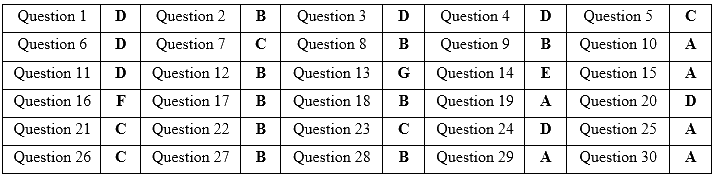
B. WRITING
Question 31. I wish I could play chess.
Question 32. Although his mother tongue is French, he speaks English like a native.
Or: He speaks English like a native although his mother tongue is French.
Question 33. The man is strong enough to lift that heavy table.
Question 34. An ambulance will be sent to the school in 10 minutes.
Question 35. This is the first time I have met this strange man.
Question 36. He told children not to make too much noise.
HƯỚNG DẪN GIẢI CHI TIẾT
Question 1. D
Kiến thức: Phát âm “-ou”
Giải thích:
A. proud /praʊd/
B. about /əˈbaʊt/
C. around /əˈraʊnd/
D. would /wʊd/
Phần gạch chân đáp án D phát âm là /ʊ/, còn lại là /aʊ/.
Chọn D
Question 2. B
Kiến thức: Phát âm “-c”
Giải thích:
A. cancel /ˈkænsl/
B. certain /ˈsɜːtn/
C. computer /kəmˈpjuːtər/
D. collapse /kəˈlæps/
Phần gạch chân đáp án B phát âm là /s/, còn lại là /k/.
Chọn B
Question 3. D
Kiến thức: Trọng âm từ có 2 âm tiết
Giải thích:
A. depend /dɪˈpend/
B. describe /dɪˈskraɪb/
C. advice /ədˈvaɪs/
D. notice /ˈnəʊtɪs/
Quy tắc:
- Những động từ có 2 âm tiết thường có trọng âm rơi vào âm tiết thứ hai.
- Những danh từ, tính từ có 2 âm tiết thường có trọng âm rơi vào âm tiết thứ nhất.
Trọng âm đáp án D rơi vào âm tiết thứ nhất, còn lại là âm thứ hai.
Chọn D
Question 4. D
Kiến thức: Trọng âm từ có 3 âm tiết
Giải thích:
A. amusing /əˈmjuːzɪŋ/
B. profession /prəˈfeʃn/
C. dimension /daɪˈmenʃn/
D. colorful /ˈkʌləfl/
Quy tắc:
- Những từ có tận cùng là đuôi “-ion” có trọng âm rơi vào âm đứng ngay trước nó.
- Hậu tố “-ful” không làm thay đổi trọng âm từ gốc.
Trọng âm đáp án D rơi vào âm tiết thứ nhất, còn lại là âm thứ hai.
Chọn D
Question 5. C
Kiến thức: Từ trái nghĩa
Giải thích:
asleep (adj): ngủ, đang ngủ
A. afraid (adj): sợ hãi
B. tired (adj): mệt mỏi
C. awake (adj): thức, không ngủ
D. aware (adj): nhận thức
=> asleep >< awake
Tạm dịch: Tối muộn hôm đó, khi tôi gần như ngủ say, âm thanh của một đám đông đã khiến tôi hoàn toàn tỉnh giấc.
Chọn C
Question 6. D
Kiến thức: Từ loại
Giải thích:
Sau động từ “read” (đọc) cần một trạng từ.
A. carelessly (adv): bất cẩn, cẩu thả
B. careless (adj): bất cẩn, cẩu thả
C. careful (adj): cẩn thận, cẩn trọng
D. carefully (adv): cẩn thận, cẩn trọng
Tạm dịch: Trước khi bắt đầu làm bài thi, hãy đọc hướng dẫn một cách cẩn thận.
Chọn D
Question 7. C
Kiến thức: Cụm từ
Giải thích:
make an appointment: thu xếp một cuộc hẹn
A. do (v): làm, hành động
B. take (v): cầm, lấy
D. get (v): có được, lấy được
Tạm dịch: Bạn có thể thu xếp một cuộc hẹn cho tôi để gặp ngài Smith được không?
Chọn C
Question 8. B
Kiến thức: Câu hỏi đuôi
Giải thích: Công thức câu hỏi đuôi với thì hiện tại hoàn thành: S + have/has + PII + O, haven’t/hasn’t + S?
Tạm dịch: Chúng ta đã có một mái nhà được thay, đúng không?
Chọn B
Question 9. B
Kiến thức: Câu điều kiện loại 1
Giải thích:
Câu điều kiện loại 1 diễn tả điều có thể xảy ra ở hiện tại hoặc tương lai.
Cấu trúc: If + S + V (hiện tại đơn), S + will/ can + V.
Khi chủ ngữ là đại từ bất định (everyone) thì động từ chia ở dạng số ít.
Tạm dịch: Nếu mọi người trong chúng ta tuân thủ luật lệ giao thông, đường phố sẽ an toàn hơn rất nhiều.
Chọn B
Question 10. A
Kiến thức: Từ định lượng
Giải thích:
a lot of/lots of + N(không đếm được)/ N(số nhiều): nhiều
much + N(không đếm được): nhiều
Dấu hiệu: “people” (người) là danh từ đếm được dạng số nhiều
Tạm dịch: Có rất nhiều người trong công viên.
Chọn A
Question 11. D
Kiến thức: Giới từ
Giải thích:
between A and B: giữa A và B
A. in: ở, tại, trong
B. at: ở tại
C. on: trên, ở trên
Tạm dịch: Chủ nhật tới, sẽ có một buổi hòa nhạc diễn ra trong khoảng 8 đến 10 giờ tối.
Chọn D
Question 12. B
Kiến thức: to V/V-ing
Giải thích: suggest + Ving: gợi ý làm gì
Tạm dịch: Tôi gợi ý đến thăm vịnh Hạ Long. Nó đẹp tuyệt như tranh vẽ.
Chọn B
Question 13. G
Kiến thức: Ngôn ngữ giao tiếp
Giải thích:
Daniel: Bạn đã từng làm bất cứ điều gì thú vị chưa?
George: Không, tôi chưa từng làm gì, nhưng ngày mai tôi sẽ đến Luân Đôn để xem lễ hội hóa trang. Bạn có muốn đến không?
Chọn G
Question 14. E
Kiến thức: Ngôn ngữ giao tiếp
Giải thích:
Daniel: Tôi rất thích. Chúng ta sẽ bắt xe buýt được không?
George: Vâng, tàu quá đắt. Bạn có biết khi nào nó rời đi?
Chọn E
Question 15. A
Kiến thức: Ngôn ngữ giao tiếp
Giải thích:
Daniel: Tôi nghĩ có một chuyến vào lúc 10 giờ sáng. Chuyến tiếp theo đến 12 giờ mới khởi hành.
George: Nó quá muộn. Tôi muốn xem các cuộc diễu hành trên đường phố.
Chọn A
Question 16. F
Kiến thức: Ngôn ngữ giao tiếp
Giải thích:
Daniel: Tôi cũng vậy. Gặp nhau tại nhà tôi lúc 9h30 sáng nhé.
George: Được. Bạn có thường mua vé xe buýt không?
Chọn F
Question 17. B
Kiến thức: Ngôn ngữ giao tiếp
Giải thích:
Daniel: Không, tôi chưa từng. Chúng luôn luôn có chỗ ngồi.
George: Tuyệt vời. Bạn có thể mang theo máy ảnh của bạn không?
Daniel: Tất nhiên, bố mẹ tôi đã tặng tôi một chiếc cho sinh nhật của tôi!
Chọn B
Dịch đoạn hội thoại:
Daniel: Chào George, bạn có khỏe không?
George: Tôi ổn, cảm ơn. Hôm qua là sinh nhật tôi.
Daniel: Bạn đã từng làm bất cứ điều gì thú vị chưa?
George: Không, tôi chưa từng làm gì, nhưng ngày mai tôi sẽ đến Luân Đôn để xem lễ hội hóa trang. Bạn có muốn đến không?
Daniel: Tôi rất thích. Chúng ta sẽ bắt xe buýt được không?
George: Vâng, tàu quá đắt. Bạn có biết khi nào nó rời đi?
Daniel: Tôi nghĩ có một chuyến vào lúc 10 giờ sáng. Chuyến tiếp theo không rời đi cho đến 12 giờ.
George: Điều đó quá muộn. Tôi muốn xem các cuộc diễu hành trên đường phố.
Daniel: Tôi cũng vậy. Gặp nhau tại nhà tôi lúc 9h30 sáng nhé.
George: Được. Bạn có thường mua vé xe buýt không?
Daniel: Không, tôi chưa từng. Chúng luôn luôn có chỗ ngồi.
George: Tuyệt vời. Bạn có thể mang theo máy ảnh của bạn không?
Daniel: Tất nhiên, bố mẹ tôi đã tặng tôi một chiếc cho sinh nhật của tôi!
Question 18. B
Kiến thức: Giới từ
Giải thích:
communicate with: liên lạc với
E-mail and chat rooms let children communicate (18) with friends and family members.
Tạm dịch: Thư điện tử và phòng trò chuyện cho phép trẻ em giao tiếp với bạn bè và các thành viên trong gia đình.
Chọn B
Question 19. A
Kiến thức: Từ vựng
Giải thích:
A. meet - met – met: gặp mặt
B. go – went – gone: đi
C. ask - asked – asked: hỏi
D. call – called – called: gọi
meet in person: gặp mặt trực tiếp
They can also allow children to connect with people that they have never (19) met in person.
Tạm dịch: Họ cũng có thể cho phép trẻ em kết nối với những người mà chúng chưa bao giờ gặp mặt trực tiếp.
Chọn A
Question 20. D
Kiến thức: Từ vựng
Giải thích:
A. save (v): dành dụm, tiết kiệm
B. protect (v): bảo vệ
C. surround (v): bao quanh
D. keep (v): giữ, giữ gìn
keep + O + adj
Knowing a life about each of these communication services can help parents (20) keep children safer while online.
Tạm dịch: Biết một chút về mỗi dịch vụ liên lạc này có thể giúp cha mẹ giữ những đứa trẻ an toàn hơn khi trực tuyến.
Chọn D
Question 21. C
Kiến thức: Từ vựng
Giải thích:
A. receives: nhận được
B. messages (n): tin nhắn
C. users (n): người dùng
D. partners (n): đối tác
Through e-mail, (21) users can easily send and receive messages.
Tạm dịch: Thông qua thư điện tử, người dùng có thể dễ dàng gửi và nhận tin nhắn.
Chọn C
Question 22. B
Kiến thức: Liên từ
Giải thích:
A. due to + N/Ving: do, bởi vì
B. because + S + V: bởi vì
C. because of + N/Ving: bởi vì
D. in order to + V: để mà
Signing up for an e-mail account is simple (22) because most services offer them for free.
Tạm dịch: Đăng ký tài khoản thư điện tử rất đơn giản vì hầu hết các dịch vụ đều cung cấp cho mọi người miễn phí.
Chọn B
Question 23. C
Kiến thức: Từ vựng
Giải thích:
A. known (adj): biết
B. well-known (adj): nổi tiếng
C. unknown (adj): không biết
D. unpopular (adj): không nổi tiếng
Sometimes these messages contain viruses, or other inappropriate content, so parents should warn children to be wary of e-mails from (23) unknown people.
Tạm dịch: Đôi khi những tin nhắn này có chứa virus hoặc nội dung không phù hợp khác, vì vậy cha mẹ nên cảnh báo trẻ em nên cảnh giác với thư điện tử từ những người chưa biết.
Chọn C
Question 24. D
Kiến thức: Từ vựng
Giải thích:
A. every: mỗi, mọi
B. something: một điều gì đó
C. nothing: không có gì
D. anything: bất cứ cái gì
Chat rooms are online hang-out spots where anyone can talk about (24) anything - current events, books, and other common interests.
Tạm dịch: Phòng trò chuyện là điểm vui chơi trực tuyến nơi mọi người có thể nói về bất cứ điều gì - sự kiện hiện tại, sách và các sở thích chung khác.
Chọn D
Question 25. A
Kiến thức: Từ vựng
Giải thích:
A. conversations (n): những cuộc trò chuyện
B. meetings (n): những cuộc gặp gỡ
C. letters (n): những lá thư
D. users (n): những người dùng
Users often do not know each other in real life, so it is important that parents keep a close eye on the content of any (25) conversations.
Tạm dịch: Người dùng thường không biết nhau trong cuộc sống thực, vì vậy điều quan trọng là cha mẹ phải theo dõi chặt chẽ nội dung của bất kỳ cuộc trò chuyện nào.
Chọn A
Dịch bài đọc:
Thư điện tử và phòng trò chuyện cho phép trẻ em giao tiếp với bạn bè và các thành viên trong gia đình. Họ cũng có thể cho phép trẻ em kết nối với những người mà chúng chưa bao giờ gặp mặt trực tiếp. Biết một chút về mỗi dịch vụ liên lạc này có thể giúp cha mẹ giữ những đứa trẻ an toàn hơn khi trực tuyến.
Thông qua thư điện tử, người dùng có thể dễ dàng gửi và nhận tin nhắn. Những tin nhắn này cũng có thể có tệp văn bản, âm thanh và hình ảnh kèm theo. Đăng ký tài khoản thư điện tử rất đơn giản vì hầu hết các dịch vụ đều cung cấp cho chúng ta miễn phí. Đôi khi những tin nhắn này có chứa virus hoặc nội dung không phù hợp khác, vì vậy cha mẹ nên cảnh báo trẻ em nên cảnh giác với thư điện tử từ những người chưa biết.
Phòng trò chuyện là điểm vui chơi trực tuyến nơi mọi người có thể nói về bất cứ điều gì - sự kiện hiện tại, sách và các sở thích chung khác. Người dùng thường không biết nhau trong cuộc sống thực, vì vậy điều quan trọng là cha mẹ phải theo dõi chặt chẽ nội dung của bất kỳ cuộc trò chuyện nào.
Question 26. C
Kiến thức: Đọc hiểu
Giải thích:
Coca Cola hiện được bán tại ………. quốc gia.
A. rất ít
B. hơn 16
C. trên 160
D. ít hơn 160
Thông tin: At first, very few people drank Coca Cola, but now it is sold in more than 160 countries.
Tạm dịch: Lúc đầu, rất ít người uống Coca Cola, nhưng bây giờ nó được bán ở hơn 160 quốc gia.
Chọn C
Question 27. B
Kiến thức: Đọc hiểu
Giải thích:
Nhà máy Coca Cola đầu tiên được khai trương tại Dallas bởi ……… .
A. tiến sĩ Pemberton
B. Asa Candler
C. Frank Robinson
D. tiến sĩ Pepper
Thông tin: Later, in 1888, the business was sold to another man, Asa Candler. He opened his first factory to produced this drink in 1895 in Dallas, Texas.
Tạm dịch: Sau đó, vào năm 1888, việc kinh doanh đã được bán cho một người đàn ông khác, Asa Candler. Ông đã mở nhà máy đầu tiên của mình để sản xuất thức uống này vào năm 1895 tại Dallas, Texas.
Chọn B
Question 28. B
Kiến thức: Đọc hiểu
Giải thích:
Từ “there” thay thế cho ……… .
A. nơi Coca Cola được phát minh ra
B. thành phố có nhà máy Coca Cola đầu tiên
C. Atlanta, một thành phố của Hoa Kỳ
D. nơi Coca Cola được bán
Thông tin: He opened his first factory to produced this drink in 1895 in Dallas, Texas. Since then, a great quantity of Coca Cola has been produced there.
Tạm dịch: Ông đã mở nhà máy đầu tiên của mình để sản xuất thức uống này vào năm 1895 tại Dallas, Texas. Kể từ đó, một lượng lớn Coca Cola đã được sản xuất tại đây.
Chọn B
Question 29. A
Kiến thức: Đọc hiểu
Giải thích:
Diet Coke được sử dụng cho người ………. .
A. béo
B. ốm
C. gầy
D. nhỏ
Thông tin: Since 1982, a special kind of Coca Cola has been made for overweight people - diet Coke.
Tạm dịch: Từ năm 1982, một loại Coca Cola đặc biệt đã được sản xuất cho những người thừa cân - diet Coke.
Chọn A
Question 30. A
Kiến thức: Đọc hiểu
Giải thích:
Coca Cola được cho là ………. .
A. phổ biến hơn các loại đồ uống khác cùng loại
B. ít phổ biến hơn các loại đồ uống khác cùng loại
C. phổ biến như thế kỷ trước
D. không phổ biến như các loại đồ uống khác cùng loại
Thông tin: It is certain that more and more people will drink Coca Cola all over the world in this century.
Tạm dịch: Một điều chắc chắn là ngày càng có nhiều người uống Coca Cola trên toàn thế giới trong thế kỷ này.
Chọn A
Dịch bài đọc:
Coca Cola là thức uống phổ biến cho mọi người trên toàn thế giới. Lúc đầu, rất ít người uống Coca Cola, nhưng bây giờ nó được bán ở hơn 160 quốc gia. Hơn 1,6 tỷ galông được bán mỗi năm.
Coca Cola được phát minh bởi Tiến sĩ John Pemberton tại Atlanta vào ngày 8 tháng 5 năm 1886. Tuy nhiên, tên Coca Cola được đặt bởi Frank Robinson, một trong những đối tác của Tiến sĩ Pemberton. Sau đó, vào năm 1888, việc kinh doanh đã được bán cho một người đàn ông khác, Asa Candler. Ông đã mở nhà máy đầu tiên của mình để sản xuất thức uống này vào năm 1895 tại Dallas, Texas. Kể từ đó, một lượng lớn Coca Cola đã được sản xuất tại đây.
Từ năm 1982, một loại Coca Cola đặc biệt đã được sản xuất cho những người thừa cân - Coke ăn kiêng. Họ đã sử dụng nhiều quảng cáo thông minh để tăng lượng Coca Cola được bán mỗi năm.
Ngoài Coca Cola, còn có nhiều loại đồ uống khác cùng loại được bán trên toàn thế giới như Pepsi Cola, Sp - Cola và Dr. Pepper. Tuy nhiên, Coca Cola là phổ biến nhất. Mọi người uống Coca Cola với bữa ăn của họ, khi họ khát hoặc khi họ giao tiếp với bạn bè.
Một điều chắc chắn là ngày càng có nhiều người uống Coca Cola trên toàn thế giới trong thế kỷ này.
Question 31
Kiến thức: Câu ước
Giải thích:Câu ước cho điều trái ngược với hiện tại: S1+ wish + S2 + V (quá khứ đơn)
Tạm dịch: Thật đáng tiếc. Tôi không thể chơi cờ vua.
= Tôi ước tôi có thể chơi cờ vua.
Đáp án: I wish I could play chess.
Question 32
Kiến thức: Mệnh đề nhượng bộ
Giải thích: Cấu trúc: Although S + V, S + V hoặc S + V although S + V (Mặc dù...nhưng...)
Tạm dịch: Tiếng mẹ đẻ của anh ấy là tiếng Pháp. Anh ấy nói tiếng Anh như một người bản xứ.
= Mặc dù tiếng mẹ đẻ của anh ấy là tiếng Pháp, nhưng anh nói tiếng Anh như một người bản xứ.
Đáp án: Although his mother tongue is French, he speaks English like a native.
Or: He speaks English like a native although his mother tongue is French.
Question 33
Kiến thức: Cấu trúc “enough”
Giải thích: Công thức: S + to be + (not) + adj + enough + to V: ai đó đủ thế nào để làm gì
Tạm dịch: Người đàn ông rất mạnh mẽ. Anh ta có thể nâng chiếc bàn nặng nề đó.
= Người đàn ông đủ khỏe mạnh để nâng chiếc bàn nặng nề đó.
Đáp án: The man is strong enough to lift that heavy table.
Question 34
Kiến thức: Câu bị động
Giải thích:
Thì tương lai đơn:
- Dạng chủ động: S + will + V + O
- Dạng bị động: S + will be + Ved/PII + by O
Lưu ý: “by them” có thể loại bỏ trong câu
Tạm dịch: Họ sẽ đưa xe cứu thương đến trường sau 10 phút.
= Xe cứu thương sẽ được đưa đến trường trong 10 phút.
Đáp án: An ambulance will be sent to the school in 10 minutes.
Question 35
Kiến thức: Thì hiện tại hoàn thành
Giải thích:
Công thức: S + have never/haven’t + Ved/PII + before
= This is the first time + S + have/has + Ved/PII
Tạm dịch: Tôi chưa bao giờ gặp người đàn ông lạ này trước đây.
= Đây là lần đầu tiên tôi gặp người đàn ông lạ mặt này.
Đáp án: This is the first time I have met this strange man.
Question 36
Kiến thức: Câu gián tiếp
Giải thích:
Câu trực tiếp: “Don’t + V(nguyên thể) + O” S said.
Câu gián tiếp: S + told + S1 + not to + V(nguyên thể)
Tạm dịch: “Đừng làm ồn quá, các bé!” anh nói.
= Anh bảo các em bé đừng làm ồn quá.
Đáp án: He told children not to make too much noise.
Question 37
Viết một đoạn văn 80 – 100 từ về ngôi trường mơ ước của bạn.
Đoạn văn mẫu:
My dream school is a school with the green campus and active environment. Firstly, a nice space make me feel relax. Moreover, an eco-friendly one can diminish greenhouse effect. This also raises student’s awareness of protecting environment. Secondly, I want to learn in the active school, which creates myself effective methods to obtain knowledge and skills easily without learning by rote. If I study in this school, I will have numerous opportunies to take part in extracurricular activities after class to make friends and learn soft skills. Therefore, it helps me foster the morally sound values and outlook on the world and life. To sum up, a school is society in miniature so I want to learn in this school to be a good people and make contributions to social progress.
Dịch đoạn văn mẫu:
Ngôi trường mơ ước của tôi là ngôi trường với khuôn viên xanh và môi trường năng động. Thứ nhất, một không gian đẹp khiến tôi cảm thấy thư giãn. Hơn nữa, một môi trường thân thiện có thể làm giảm ảnh hưởng của hiệu ứng nhà kính. Điều này cũng nâng cao nhận thức của sinh viên về bảo vệ môi trường. Thứ hai, tôi muốn học ở một ngôi trường chủ động, nơi tạo cho chính bản thân tôi những phương pháp hiệu quả để có được kiến thức và kỹ năng một cách dễ dàng mà không cần học vẹt. Nếu tôi học ở trường này, tôi sẽ có nhiều cơ hội tham gia các hoạt động ngoại khóa sau giờ học để kết bạn và học các kỹ năng mềm. Do đó, nó giúp tôi nuôi dưỡng các giá trị đạo đức và quan điểm về thế giới và cuộc sống. Tóm lại, một trường học là xã hội thu nhỏ nên tôi muốn học ở trường như vậy để trở thành một người tốt và đóng góp cho sự phát triển của xã hội.
Đề thi vào 10 môn Anh Đồng Nai năm 2019
Đề bài
A. LANGUAGE FOCUS
I. Choose the word whose underlined part is pronounced differently from that of others.
Question 1.
A. village
B. predict
C. divide
D. comic
Question 2.
A. plumber
B. garbage
C. label
D. habit
Question 3.
A. channel
B. champagne
C. children
D. chicken
Question 4.
A. improved
B. destroyed
C. finished
D. followed
II. Choose the best option (A, B, C, D) to complete each of the following sentences.
Question 5. My father used to _____ swimming every Sunday when he was young.
A. go
B. going
C. went
D. gone
Question 6. Sue has to finish all her assignments before going to bed, _____?
A. has she
B. hasn’t she
C. does she
D. doesn’t she
Question 7. Jane wishes she _____ in Thailand at the moment.
A. were
B. can be
C. is
D. would be
Question 8. Choose the underlined word or phrase (A, B, C, D) that needs correction.
When John finishes his project tomorrow, he will go ahead with a couple of five-day tour abroad.
A. finishes
B. go ahead with
C. five-day
D. tour
Question 9. Our team won the game because we played very _____.
A. good
B. well
C. badly
D. bad
Question 10. In Western countries, people usually celebrate New Year _____ January 1st.
A. at
B. in
C. on
D. to
Question 11. I think watching TV is time-_____.
A. consume
B. consuming
C. consumer
D. consumption
Question 12. Choose the word that is CLOSET in meaning to the underlined word of the following sentence.
One of the benefits of the job is the high salary you receive.
A. advantages
B. disadvantages
C. limits
D. limitations
Question 13. Who looks _____ your children while you are away from home?
A. for
B. at
C. after
D. up
Question 14. “Congratulations on your winning the first prize!” – “_____.”
A. You’re welcome
B. Thanks a lot
C. Not at all
D. Yes, certainly
Question 15. Jeans are very _____ with young people all over the world.
A. favorite
B. suitable
C. popular
D. famous
B. READING
I. Complete the conversation between Ron and Olivia by choosing the correct letter A-F. There is ONE EXTRA option.
|
A. Great idea! Is the market near the art gallery? B. See you on Sunday! C. OK. Maybe another time. D. Great! What time? E. We can go to the birthday party later. F. Cool, I want to buy a new dress. This will be fun! |
|
Ron: |
Hi, Olivia. |
|
Olivia: |
Hi, Ron. I am wondering if you want to the art gallery this Friday. |
|
Ron: |
Oh, I’m sorry. I’m doing my homework. |
|
Olivia: |
(16) _________________________________________________________________________ |
|
Ron: |
Well, what about Sunday afternoon? Can we go then? |
|
Olivia: |
(17) _________________________________________________________________________ |
|
Ron: |
Let’s meet there at 2 p.m. Would you like to go shopping at the market after the art gallery? |
|
Olivia: |
(18) _________________________________________________________________________ |
|
Ron: |
Yes, it is. I want to buy a T-shirt and a pair of jeans. |
|
Olivia: |
(19) _________________________________________________________________________ |
|
Ron: |
I can’t wait! Bye, Olivia! |
|
Olivia: |
(20) _________________________________________________________________________ |
II. Read the text about a flood in New Town. Choose the best option (A, B, C or D) for each space.
A GREAT FLOOD HITS NEW TOWN
A great flood (21) _____ hit New Town again. It has damaged (22) ____ houses and buildings in the town. More than 50 people don’t have anywhere to live now (23) _____ their houses have totally been covered (24) _____ water. The train (25) _____ has been closed and there has been no traffic on the streets (26) _____ yesterday. The government has sent more police officers to rescue people in the flood. The flood hit the town (27) _____, so people didn’t know what to expect and how (28) _____. This is the (29) _____ flood that has ever hit the town. Now, people in New Town really need food and clean water. (30) _____ you want to donate, please contact the London Red Cross, 123 Main Street, London.
Question 21.
A. have
B. has
C. is
D. was
Question 22.
A. plenty
B. lots
C. a lot
D. lots of
Question 23.
A. because
B. although
C. so
D. but
Question 24.
A. on
B. to
C. with
D. from
Question 25.
A. stops
B. stop
C. stations
D. station
Question 26.
A. for
B. in
C. since
D. on
Question 27.
A. quickly
B. quick
C. slow
D. slowly
Question 28.
A. escape
B. to escape
C. escaped
D. escaping
Question 29.
A. bad
B. worse
C. worst
D. badly
Question 30.
A. If
B. Because
C. While
D. Since
III. Read the passage below and fill in each blank with one suitable word. There in ONE EXTRA word.
|
social from download cartoon but blogs |
Teenagers nowadays like using the Internet. Some of them like writing blogs. On these (31) _____, they can write about their hobbies, their everyday lives, their special experiences, etc. Other teenagers love joining (32) ____ networking sites. They can create their profiles to interact with others. Some like using their real names (33) _____ others prefer choosing new names as their username. With those sites, they can express their ideas about other user’s new posts, new pictures, or follow famous people that they like. Teenagers also (34) _____ programs on their computers or smartphones. With these kinds of programs, they can do a lot of things such as learning languages or playing games. Life for teenagers today is very different (35) _____ what is was like for their parents.
C. WRITING
I. Rearrange the words or phrases to make meaningful sentences.
Question 36. lending/ English books/ you mind/ me/ Would/ some?
=> _________________________________
Question 37. a local man/ named Ho Khanh/ in 1991/ by/ Son Doong Cave/ was/ discovered/.
=> _________________________________
Question 38. together/ Family members/ live apart/ at Tet/ who/ try to be/.
=> _________________________________
Question 39. their free time/ Teenagers/ often spend/ surfing/ the Internet/ most of/.
=> _________________________________
Question 40. we can/ use/ motorbikes,/ If we/ public buses/ energy/ instead of/ save/.
=> _________________________________
II. Rewrite the sentences without changing their original meanings, using the cues given.
Question 41. She has poor health, but she works twelve hours a day.
=> Even though ______________________________
Question 42. They have just planted some trees on the sidewalk.
=> Some trees have ___________________________
Question 43. Our teacher makes us do a lot of homework every day.
=> We ______________________________________
Question 44. Mr. Long started working in this company five years ago.
=> Mr. Long has _______________________________
Question 45. “Let’s go out for lunch”, Mary said
=> Mary suggested _____________________________
III. Write a paragraph.
Question 46. In 80 – 100 words, write a paragraph about the summer vacation that you would like to have.
----------------THE END----------------
Đáp án
HƯỚNG DẪN GIẢI CHI TIẾT
Thực hiện: Ban Chuyên môn Loigiaihay.com
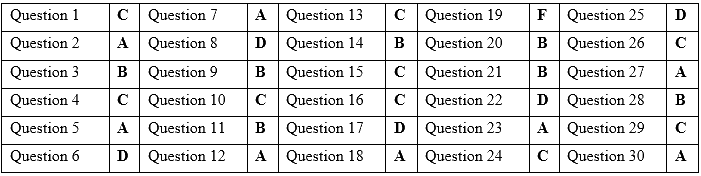
Question 1
Kiến thức: phát âm
Giải thích:
A. village /ˈvɪlɪdʒ/
B. predict /prɪˈdɪkt/
C. divide /dɪˈvaɪd/
D. comic /ˈkɒmɪk/
Phần được gạch chân ở câu C phát âm là /aɪ/, còn lại là /ɪ/.
Đáp án: C
Question 2
Kiến thức: phát âm
Giải thích:
A. plumber /ˈplʌmə(r)/
B. garbage /ˈɡɑːbɪdʒ/
C. label /ˈleɪbl/
D. habit /ˈhæbɪt/
Phần được gạch chân ở câu A là âm vô thanh, còn lại là /b/.
Đáp án: A
Question 3
Kiến thức: phát âm
Giải thích:
A. channel /ˈtʃænl/
B. champagne /ʃæmˈpeɪn/
C. children /ˈtʃɪldrən/
D. chicken /ˈtʃɪkɪn/
Phần được gạch chân ở câu B phát âm là /ʃ/, còn lại là /tʃ/.
Đáp án: B
Question 4
Kiến thức: phát âm
Giải thích:
A. improve /ɪmˈpruːv/
B. destroy /dɪˈstrɔɪ/
C. finish /ˈfɪnɪʃ/
D. follow /ˈfɒləʊ/
Quy tắc phát âm /ed/:
- Đuôi /ed/ được phát âm là /t/: Khi động từ có phát âm kết thúc là /s/, /f/, /p/, /ʃ/, /tʃ/, /k/.
- Đuôi /ed/ được phát âm là /id/: Khi động từ có phát âm kết thúc là /t/ hay /d/.
- Đuôi /ed/ được phát âm là /d/ với những trường hợp còn lại.
Phần được gạch chân ở câu C phát âm là /t/, còn lại là /d/.
Đáp án: C
Question 5
Kiến thức: từ vựng
Giải thích:
used to do something: đã từng làm gì trong quá khứ
Tạm dịch: Cha tôi thường đi bơi vào Chủ Nhật hàng tuần khi ông ấy còn trẻ.
Đáp án: A
Question 6
Kiến thức: câu hỏi đuôi
Giải thích:
Câu giới thiệu khẳng định, phần hỏi đuôi phủ định: S + V(s/es) …., don’t/doesn’t + S?
Tạm dịch: Sue phải làm xong hết bài tập trước khi đi ngủ phải không?
Đáp án: D
Question 7
Kiến thức: từ vựng
Giải thích:
Ước muốn ở hiện tại: S + wish + S + V.ed…
Tạm dịch: Jane ước rằng cô ấy đang ở Thái Lan ngay lúc này.
Đáp án: A
Question 8
Kiến thức: từ vựng
Giải thích:
a couple of something: hai, một vài (người, vật,..)
tour => tours
Tạm dịch: Ngày mai khi John hoàn thành dự án của mình, anh ấy đi hai tour du lịch năm ngày ở nước ngoài.
Đáp án: D
Question 9
Kiến thức: trạng từ
Giải thích:
good (adj): tốt – well (adv)
bad (adj) – badly (adv)
Sau động từ “play” phải dùng trạng từ.
Tạm dịch: Đội chúng tôi đã thắng trò chơi vì chúng tôi đã chơi rất tốt.
Đáp án: B
Question 10
Kiến thức: giới từ
Giải thích: on + ngày cụ thể.
Tạm dịch: Ở các nước phương Tây, người ta thường ăn mừng năm mới vào ngày 1 tháng 1.
Đáp án: C
Question 11
Kiến thức: từ vựng
Giải thích: time-consuming (adj): tốn thời gian
Tạm dịch: Tôi nghĩ xem TV rất lãng phí thời gian.
Đáp án: B
Question 12
Kiến thức: từ vựng, từ đồng nghĩa
Giải thích: benefit (n): lợi ích
advantage (n): thuận lợi
disadvantage (n): bất lợ
limit (n): giới hạn
limitation (n): sự giới hạn
=> advantage = benefit
Tạm dịch: Một trong những lợi ích của công việc này là mức lương cao mà bạn nhận được.
Đáp án: A
Question 13
Kiến thức: cụm động từ
Giải thích:
look for: tìm kiếm
look at: nhìn
look after: trông nom, chăm sóc
look up: tra cứu
Tạm dịch: Ai sẽ chăm sóc bọn trẻ trong khi bạn ra khỏi nhà?
Đáp án: C
Question 14
Kiến thức: hội thoại giao tiếp
Tạm dịch: “Chúc mừng bạn đã thắng giải nhất nhé!”
A. Không có gì.
B. Cảm ơn bạn nhiều.
C. Không có gì.
D. Vâng, chắc chắn rồi.
Đáp án: B
Question 15
Kiến thức: từ vựng
Giải thích:
A. favorite (a): yêu thích
B. suitable (a): thích hợp
C. popular (with somebody) (a): phổ biến
D. famous (a): nổi tiếng
Tạm dịch: Đồ jeans rất phổ biến với giới trẻ khắp thế giới.
Đáp án: C
Question 16
Kiến thức: từ vựng
Tạm dịch:
Ron: Chào, Olivia.
Olivia: Xin chào, Ron. Mình đang tự hỏi xem bạn có muốn đến phòng triển lãm nghệ thuật thứ Sáu tuần này không?
Ron: Ồ, tiếc quá. Mình phải làm bài tập về nhà
=> Olivia: Ừ, để lần khác chúng mình đi vậy.
Đáp án: C
Question 17
Kiến thức: từ vựng
Tạm dịch: Ron: Thế Chủ nhật tuần sau thì sao? Chúng ta đi hôm đó được không?
=> Olivia: Được, mấy giờ đi?
Đáp án: D
Question 18
Kiến thức: từ vựng
Tạm dịch: Ron: Chúng ta hãy gặp nhau lúc 2 giờ chiều nhé. Bạn có muốn đi mua sắm ở cái chợ phía sau phòng trưng bày nghệ thuật không?
=> Olivia: Ý hay đấy! Có phải cái chợ gần phòng trưng bày nghệ thuật không?
Đáp án: A
Question 19
Kiến thức: từ vựng
Tạm dịch: Ron: Đúng thế. Mình đang muốn mua một chiếc áo phông và một cái quần jean.
=> Olivia: Tuyêt, mình cũng đang muốn mua cái váy mới. Sẽ vui lắm đấy !
Đáp án: F
Question 20
Kiến thức: từ vựng
Tạm dịch: Ron: Mình thật sự không thể chờ đến lúc được đi! Tạm biệt Olivia !
=> Olivia: Chủ nhật gặp lại nhé!
Đáp án: B
Question 21
Kiến thức: thì hiện tại hoàn thành
Giải thích: Hành động đã hoàn thành cho tới thời điểm hiện tại mà không đề cập tới nó xảy ra khi nào.
=> Thì hiện tại hoàn thành: S + have/has + Vp.p
Đáp án: B
Question 22
Kiến thức: từ vựng
Giải thích: plenty (of something) = lots of something = a lot of something: nhiều
Đáp án: D
Question 23
Kiến thức: từ vựng
Giải thích:
because: bởi vì
although: mặc dù
so: vì vậy
but: nhưng
Đáp án: A
Question 24
Kiến thức: thì hiện tại hoàn thành
Giải thích: tobe covered in/with something: bị bao phủ bởi cái gì
Đáp án: C
Question 25
Kiến thức: thì hiện tại hoàn thành
Giải thích: train station: ga tàu
Ở đây dùng danh từ ở dạng số ít.
Đáp án: D
Question 26
Kiến thức: thì hiện tại hoàn thành
Giải thích: S + have/has + Vp.p + since + mốc thời gian
Đáp án: C
Question 27
Kiến thức: từ vựng
Giải thích:
quick (adj): nhanh – quickly (adv)
slow (adj): chậm – slowly (adj)
Từ cần điền ở đây là một trạng từ.
Đáp án: A
Question 28
Kiến thức: từ vựng
Giải thích: how + to V : cách (làm gì)
Đáp án: B
Question 29
Kiến thức: so sánh nhất
Giải thích: bad => the worst
Đáp án: C
Question 30
Kiến thức: từ vựng
Giải thích:
If: nếu
Because = Since: bởi vì
While: trong khi
Đáp án: A
Dịch bài đọc:
Một trận lụt lớn xảy ra tại New Town
Một trận lụt lớn đã xảy ra tại New Town một lần nữa. Nó đã phá hủy rất nhiều ngôi nhà và các tòa nhà trong thị trấn. Hơn 50 người hiện tại không có nơi nào để sống vì nhà của họ đã hoàn toàn bị bao phủ bởi nước. Nhà ga xe lửa đã bị đóng cửa và không có giao thông trên đường phố kể từ hôm qua. Chính phủ đã cử nhiều nhân viên cảnh sát đến cứu người trong trận lụt. Lũ lụt tràn vào thị trấn một cách nhanh chóng, nên mọi người không biết phải trông đợi điều gì và chạy thoát như thế nào. Đây là trận lụt tồi tệ nhất từng xảy ra. Bây giờ, người dân ở New Town thực sự cần thức ăn và nước sạch. Nếu bạn muốn quyên góp, vui lòng liên hệ với Hội Chữ thập đỏ London, 123 Main Street, Luân Đôn.
Question 31
Kiến thức: từ vựng
Giải thích: blog (n): trang web nơi mọi người viết về những điều mà họ yêu thích
Đáp án: blogs
Question 32
Kiến thức: từ vựng
Giải thích: social networking sites: mạng xã hội
Đáp án: social
Question 33
Kiến thức: từ vựng
Giải thích: but: nhưngg
Đáp án: but
Question 34
Kiến thức: từ vựng
Giải thích: download (v): tải về
Đáp án: download
Question 35
Kiến thức: từ vựng
Giải thích: different from: khác
Đáp án: from
Dịch bài đọc:
Ngày nay, thanh thiếu niên thích sử dụng Internet. Một số người trong số họ thích viết blog. Trên những blog này, họ có thể viết về sở thích của họ, cuộc sống hàng ngày của họ, trải nghiệm đặc biệt của họ, v.v. Những thanh thiếu niên khác thích tham gia các trang mạng xã hội. Họ có thể tạo hồ sơ của họ để tương tác với người khác. Một số người thích sử dụng tên thật nhưng những người khác thích chọn tên mới làm tên tài khoản của họ. Với những trang web đó, họ có thể thể hiện ý kiến của mình về bài đăng mới, hình ảnh mới của người dùng khác hoặc theo dõi những người nổi tiếng mà họ thích. Thanh thiếu niên cũng tải xuống các chương trình trên máy tính hoặc điện thoại thông minh của họ. Với các loại chương trình này, họ có thể thực hiện rất nhiều thứ như học ngoại ngữ hoặc chơi trò chơi. Cuộc sống cho thanh thiếu niên ngày nay là rất khác với những gì đã được như đối với cha mẹ của họ.
Question 36
Kiến thức: câu đề nghị
Giải thích: Would you mind + Ving…?: Bạn có phiền làm điều gì?
Đáp án: Would you mind lending me some English book?
Question 37
Kiến thức: câu bị động
Giải thích: Cấu trúc bị động ở thì quá khứ:
S + was/were + Vp.p + by O + in + time.
Đáp án: Son Doong Cave was discovered by a local man named Ho Khanh in 1991.
Question 38
Kiến thức: mệnh đề quan hệ
Giải thích: who: thay thế cho danh từ chỉ người, đóng vai trò chủ ngữ trong câu
Đáp án: Family members who live apart try to be together at Tet.
Question 39
Kiến thức: thì hiện tại đơn
Giải thích: Dấu hiệu: trạng từ chỉ tần suất “often” (thỉnh thoảng)
Cấu trúc: S + V(s/es)
Đáp án: Teenagers often spend most of their free time surfing the Internet.
Question 40
Kiến thức: câu điều kiện loại 1
Giải thích: If + S + V(s/es), S + will/can + V.
Đáp án: If we use public buses instead of motorbikes, we can save energy.
Question 41
Kiến thức: câu nhượng bộ
Giải thích: Even though + S + V: mặc dù
Đáp án: Even though she has poor health, she works twelve hours a day.
Question 42
Kiến thức: câu bị động
Giải thích: Câu bị động ở thì hiện tại hoàn thành: S + have/has + been + Vp.p.
Đáp án: Some trees have just been planted on the sidewalk.
Question 43
Kiến thức: câu bị động
Giải thích: Câu bị động ở thì hiện tại đơn với động từ “make”:
S + is/am/are + made + to + V.inf + by O + trạng từ chỉ thời gian.
Đáp án: We are made to do a lot of homework by our teacher everyday.
Question 44
Kiến thức: chuyển đổi câu từ thì quá khứ sang hiện tại hoàn thành
Giải thích: S + started + Ving + khoảng thời gian + ago.
=> S + have/has + Vp.p + for + khoảng thời gian.
Đáp án: Mr. Long has worked in this company for five year.
Question 45
Kiến thức: câu tường thuật
Giải thích: S + suggest + Ving: đề nghị làm gì
Đáp án: Mary suggested going out for lunch.
Question 46
Bài tham khảo:
Summer vacations are the best time to relax and enjoy with family and friends.This summer, I would like to go on a holiday in Nha Trang, a coastal city and capital of Khánh Hòa Province, on the South Central Coast of Vietnam. I am very excited to go there because I want to visit my cousins whom I have not seen for a long time. Besides, I would like to visit interesting places in the city such as Palace of Emperor Bao Dai, Oceanographic Institute, Fairy Stream, Hon Chong Rocks... Also, I really want to bath as well as sunbathe on beautiful and pristine beaches with fine and clean sand. I can’t wait until the summer comes.
Tạm dịch:
Kỳ nghỉ hè là thời điểm tốt nhất để nghỉ ngơi và tận hưởng với gia đình và bạn bè. Mùa hè này, tôi muốn đi nghỉ mát ở Nha Trang, một thành phố ven biển và là trung tâm của tỉnh Khánh Hòa, nằm trên bờ biển Nam Trung Bộ của Việt Nam. Tôi rất vui khi đến đó vì tôi muốn thăm những người anh em họ mà tôi đã không gặp trong một thời gian dài. Bên cạnh đó, tôi cũng muốn tham quan những địa điểm thú vị trong thành phố như Cung điện Hoàng đế Bảo Đại, Viện Hải dương học, Suối Tiên, Hòn Chồng,... Tôi cũng muốn tắm biển cũng như tắm nắng trên những bãi biển hoang sơ tuyệt đẹp và những bãi cát trắng xóa. Mong mua hè sẽ đến thật nhanh!
Luyện trắc nghiệm Toán lớp 1 Lớp LOP9
Học đi đôi với hành! Làm ngay các bộ đề trắc nghiệm chấm điểm tức thì, có đáp án chi tiết giúp ghi nhớ kiến thức sâu và chuẩn bị tốt cho các bài kiểm tra.
Học tập & ôn luyện trên ứng dụng Tri Thức Hub
Tải ứng dụng Tri Thức Hub trên điện thoại hoặc máy tính bảng (hỗ trợ Android & iOS) để làm bài kiểm tra, luyện tập và lưu tiến độ học tập!