
Đề thi vào 10 môn Anh Hải Dương
Đề thi vào 10 môn Anh Hải Dương năm 2025
Đề bài
Mark the letter A, B, C or D on your answer sheet to indicate the correct answer to each of the following questions.
Question 1: She likes watching videos on ________ to make cakes in her free time.
A. what
B. which
C. when
D. how
Question 2: The flat is too small for the whole family, so they wish they _______ a big house.
A. have
B. had
C. are having
D. will have
Question 3: The earliest fish and chip shop opened __________ London in the 19th century.
A. of
B. on
C. at
D. in
Question 4: This tropical island is a popular tourist destination for its natural ________.
A. beautifully
B. beautify
C. beautiful
D. beauty
Question 5: Tom told Linda that he ________ to her birthday party the following week.
A. go
B. was going
C. has gone
D. goes
Question 6: My brother is studying medicine to become _______ doctor.
A. Ø (no article)
B. the
C. an
D. a
Question 7: Sarah's brother was booking plane tickets while she __________ a travel blog.
A. was reading
B. is reading
C. will read
D. has read
Question 8: Many parents want to pass ________ values like respect and kindness to their children.
A. for
B. through
C. back
D. down
Question 9: The brighter the streets are, the ________ it is for people to get around at night.
A. safest
B. safe
C. safer
D. safety
Question 10: Mrs. Lam earns a ________ by cooking meals at a primary school.
A. life
B. money
C. living
D. pay
Question 11: A smartwatch is ________ and and keeps you connected without checking your phone.
A. traditional
B. urgent
C. heavy
D. portable
Question 12: If the weather ________ fine tomorrow, they will clean up their neighbourhood.
A. will be
B. was
C. is
D. would be
Read the following announcement and mark the letter A, B, C or D on your answer sheet to indicate the option that best fits each of the numbered blanks.
Library Rules
Our well-equipped library has many books on different subjects, and the librarian is always (13)________ to help you.
Please remember:
- You may borrow only one book at a time. Return it (14)_________ time to avoid a fine.
- You must not write, underline or (15)_________library books.
- Magazines, newspapers, and reference books cannot be taken home.
- You (16)_________pay for any book that you lose.
- The library is a quiet place, (17)_________ keep silent while reading or studying here.
Question 13:
A. stressful
B. busy
C. ready
D. careless
Question 14:
A. for
B. by
C. off
D. on
Question 15:
A. restore
B. pursue
C. damage
D. minimise
Question 16:
A. need
B. ought
C. would
D. must
Question 17:
A. but
B. so
C. or
D. for
Read the following advertisement and mark the letter A, B, C or D on your answer sheet to indicate the option that best fits each of the numbered blanks.
Top Circus
Are you tired of watching TV? Do you fancy (18)________ something new? Why don't you go downtown and see Top Circus? There will be (19)_________ dance, live music and acrobatics. This touring show has already received very good reviews in (20)__________ parts of the country. There are two performances every day: one at 2.30 and the other at 7.30. We offer special (21) __________to children and people over 60. Each show often (22)________about 90 minutes with no interval.
Question 18:
A. doing
B. to do
C. do
D. to doing
Question 19:
A. interesting
B. unpleasant
C. embarrassing
D. excited
Question 20:
A. another
B. other
C. others
D. the others
Question 21:
A. discounts
B. values
C. incomes
D. bills
Question 22:
A. lasts
B. is lasting
C. was lasting
D. lasted
Mark the letter A, B, C or D on your answer sheet to indicate the best arrangement of utterances sentences to make a meaningful exchange or text in each of the following questions.
Question 23:
Hi Sam,
a. I've been here for three days. I've visited many landmarks and tried tasty local dishes.
b. I hope you're fine. I'm having a great time in Moc Chau.
c. Tomorrow we're going to an animal farm and a tea farm.
d. Yesterday, I visited a beautiful plum garden, and I picked ripe plums the whole afternoon.
e. Write back soon and tell me about your holiday.
Best wishes,
Emma
A. b – e – a – c – d
B. c – d – a – e – b
C. e – c – a – d – b
D. b – a – d – c – e
Question 24:
a. Ava: I'm sorry. I must stay home to study for the Literature test tomorrow.
b. Chris: Hi, Ava. Let's go shopping and see a film in the afternoon.
c. Chris: Oh, good luck. Bye.
A. a – b – c
B. b – c – a
C. b – a – c
D. c – b – a
Question 25:
a. Furthermore, people lived in small villages where everyone knew each other.
b. In summary, though life was difficult, people found happiness in simple routines and close relationships.
c. My grandmother told me that life in the past was very different from today.
d. To begin with, people worked very hard all day. They mainly grew crops and made things by hand.
e. They also helped each other to do the farming and spent a lot of time together.
A. c – d – a – e – b
B. b – d – a – e – c
C. c – e – a – b – d
D. d – e – a – c – b
Question 26:
a. Mom: I was very worried. What happened to you?
b. Mom: I see. Remember to let me know next time.
c. Nam: I had to do a science project after school, and I forgot to tell you in advance.
d. Nam: I'm really sorry for coming home late today.
A. d – a – c – b
B. a – d – b – c
C. c – b – d – a
D. d – b – c – a
Question 27:
a. Secondly, it helps lower the risk of heart disease and diabetes.
b. In conclusion, regular exercise is necessary to maintain good health.
c. Thirdly, exercise can improve mental health by reducing stress and anxiety.
d. Doing exercise regularly brings numerous benefits to both physical and mental health.
e. Firstly, it helps people keep fit and build their muscle.
A. d – b – e – a – c
B. d – a – e – c – b
C. d – a – c – e – b
D. d – e – a – c – b
Mark the letter A, B, C or D on your answer sheet to indicate the sentence that is closest in meaning to each of the following questions.
Question 28: I made a promise that I would teach my grandmother how to read news online.
A. I did not mind teaching my grandmother how to read news online.
B. I explained how to read news online to my grandmother.
C. I promised to teach my grandmother how to read news online.
D. I suggested that my grandmother should read news online.
Question 29: I last saw my cousins two years ago.
A. The last time I saw my cousins has been two years.
B. I have not seen my cousins for two years.
C. I have seen my cousins for two years.
D. I did not see my cousins two years ago.
Question 30: "Do people grow a lot of tangerines on Jeju Island?" Mary asked her Korean frie
A. Mary asked her Korean friend whether people grew a lot of tangerines on Jeju Island.
B. Mary asked her Korean friend do people grow a lot of tangerines on Jeju Island.
C. Mary asked her Korean friend that people grew a lot of tangerines on Jeju Island.
D. Mary asked her Korean friend when people grow a lot of tangerines on Jeju Island.
Question 31: She plays the piano better than anyone I have known.
A. She was the best piano player I have known.
B. She is the best piano player I have known.
C. She plays the piano as well as anyone I have known.
D. Anyone I have known plays the piano better than her.
Question 32: It took the architect two weeks to design the building.
A. The architect designed the building two weeks ago.
B. It has been two weeks since the architect last designed a building.
C. The architect spent two weeks designing the building.
D. The architect will finish designing the building in two weeks.
Mark the letter A, B, C or D on your answer sheet to indicate the sentence that best combines pair of sentences in the following questions.
Question 33: Daisy is thoughtful. She never forgets her close friends' birthdays.
A. Daisy is thoughtful enough to forget her close friends' birthdays.
B. Daisy is so thoughtful that she never forgets her close friends' birthdays.
C. Daisy is such thoughtful that she never forgets her close friends' birthdays.
D. Daisy is very thoughtful that she never forgets her close friends' birthdays.
Question 34: Doctors often give us advice. It is not good to use digital devices before bedtime.
A. Doctors often advise that we should not use digital devices before bedtime.
B. Doctors often suggested not using digital devices before bedtime.
C. Doctors often recommend that we would not use digital devices before bedtime.
D. Doctors often advise us to use digital devices before bedtime.
Question 35: You want to have a balanced diet. You should eat more fruit and vegetables.
A. You should eat more fruit and vegetables although you have a balanced diet.
B. You should eat more fruit and vegetables, or you will have a balanced diet.
C. If you want to have a balanced diet, you should eat more fruit and vegetables.
D. You will have a balanced diet unless you eat more fruit and vegetables.
Question 36: He works late every day. He does not have time to exercise.
A. If he works late every day, he will have time to exercise.
B. He does not have time to exercise, so he works late every day.
C. Although he works late every day, he has time to exercise.
D. Because he works late every day, he does not have time to exercise.
Question 37: My friend Linh is a talented artist. She has won many art competitions.
A. My friend Linh that is a talented artist won many art competitions.
B. My friend Linh, who was a talented artist, has won many art competitions.
C. My friend Linh whom has won many art competitions is a talented artist.
D. My friend Linh, who has won many art competitions, is a talented artist.
Read the following passage and mark the letter A, B, C or D on your answer sheet to indicate the correct answer to each of the questions.
When Lýdia Machová gave a TED Talk about learning languages, she did not speak her first language, Slovakian. Instead, she spoke fluent English and shared that she can speak seven other languages. She learns a new one every two years. To many people, this seems impossible. However, Lýdia says she is not particularly intelligent, and she believes anyone can learn a new language. Through her own experience and from meeting other successful learners, she has found out some helpful methods.
Lýdia believes that there are many different ways to learn a language. You can study common words, practise grammar, use phrase books or listen to podcasts. Almost any method is fine the most important thing is that you enjoy the learning process. For example, when learning German, she watched Friends in German. At first, she did not understand anything, but over time, she could follow the story. She did something similar with Spanish, reading Harry Potter books that she had loved as a child.
Another tip is about learning vocabulary. It is easy to forget new words, so she suggests reviewing them after one day, one week and one month. This helps you keep them in your memory.
Finally, she says that speaking is very important. Don't be afraid of making mistakes because they help you learn. And with the Internet, you can practise speaking with people around the world without leaving home.
Question 38: Lýdia seems to believe that ________.
A. some people are better at language learning than she is
B. only talented people can learn several languages
C. everyone can learn languages in the same way
D. when you learn a language, make sure you enjoy it
Question 39: The word "they" in paragraph 4 refers to
A. words
B. mistakes
C. methods
D. people
Question 40: The word "common" in paragraph 2 is OPPOSITE in meaning to __________.
A. similar
B. rare
C. familiar
D. popular
Question 41: Which of the following can be the best title for the passage?
A. Benefits of Speaking Many Languages
B. A Young Girl's Love for Harry Potter
C. Learning Activities for Beginners
D. An Amazing Language Learner
Question 42: The phrase "found out" in paragraph 1 is CLOSEST in meaning to ________.
A. revised
B. discovered
C. displayed
D. observed
Question 43: In which paragraph does the writer mention how often learners should review vocabulary?
A. Paragraph 2
B. Paragraph 1
C. Paragraph 4
D. Paragraph 3
Question 44: Which of the following is NOT true according to the passage?
A. Lýdia used TV shows and books as learning tools.
B. Lýdia believes reviewing new words over time helps you remember them.
C. Lýdia says people must travel abroad to practise a new language.
D. Lýdia learns one new language every two years.
Read the following passage and mark the letter A, B, C or D to indicate the word or phrase that best fits each of the numbered blanks.
Animals in danger
There are many kinds of animals that are in danger in the world. Snow leopards (45)________live in the mountains of the Himalayas have almost disappeared. In India, only a few tigers are left in the wild because the (46)__________ where they live are getting smaller. People cut down the trees for wood, and farmers need the land for farming. Moreover, pollution and climate change have affected the (47)_________ everywhere in the world, and this has caused many species to become extinct.
If an animal is beautiful, like a tiger, people are happy to give money to protect it. (48)_______, not all species are given such attention. Many other creatures such as snakes, crocodiles and sharks are also (49) _________, but people often dislike them and have little interest in saving them. Scientists remind us that every creature plays a (50) ___________ in its habitat. If any one of them disappears, it is hard to predict what the consequences will be.
Question 45:
A. what
B. whom
C. whose
D. which
Question 46:
A. rivers
B. deserts
C. caves
D. forests
Question 47:
A. outer space
B. solar system
C. ecological balance
D. polar region
Question 48:
A. Therefore
B. Finally
C. Similarly
D. However
Question 49:
A. endangered
B. dangerous
C. danger
D. dangerously
Question 50:
A. chore
B. duty
C. role
D. task
--------------------HẾT--------------------
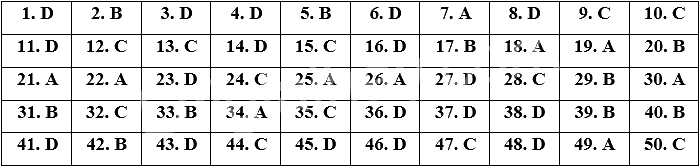
Xem đáp án
HƯỚNG DẪN GIẢI
Thực hiện: Ban chuyên môn trithuchub.com

Đề thi vào 10 môn Anh Hải Dương năm 2023
Đề bài
Mark the letter A, B, C or D on your answer sheet to indicate the correct to each of the following questions (4.0 points)
Question 1: As soon as I _________ reading this book, I will lend it to you.
A. had finished
B. has finished
C. finish
D. will finish
Question 2: This novel is much _________ than the one I read last week.
A. more interesting
B. as interesting
C. the more interesting
D. the most interesting
Question 3: The doctor advised me ________ more vegetables and fresh fruit.
A. to eat
B. eat
C. eating
D. ate
Question 4: If parents spend more time with their children, they ________ happier.
A. will be
B. wouldn’t be
C. would be
D. won’t be
Question 5: Parking is difficult in _________ city centre, so he often goes there by bus.
A. ∅ (no article)
B. an
C. a
D. the
Question 6: He is trying to __________ the bad habit of using the Internet all day.
A. break
B. cut
C. give
D. create
Question 7: She suggested that we _________ money for the poor in the neighbourhood.
A. should raise
B. raising
C. would raise
D. to raise
Question 8: Modern technology is widening the __________ gap between parents and their children.
A. age
B. gender
C. tradition
D. generation
Question 9: This shopping mall, which __________ two years ago, attracts a lot of shoppers.
A. will be built
B. was built
C. was building
D. built
Question 10: New York is a __________ city with people from all over the world.
A. multicultural
B. historic
C. local
D. traditional
Question 11: Children should be taught how to use electronic devices to learn __________.
A. effect
B. effectively
C. affect
D. effective
Question 12: Last weekend, I went on a school _________ to Cuc Phuong National Park.
A. journey
B. trip
C. flight
D. travel
Question 13: There were six applications for the job, but four of them were __________.
A. turned off
B. turned on
C. turned down
D. turned up
Question 14: She was _________ that he was very calm and solved the problem quietly.
A. admired
B. admiring
C. amazing
D. amazed
Question 15: This restaurant is _________ for its excellent dishes and service.
A. famous
B. different
C. certain
D. proud
Question 16: With rapid scientific ________, humans will soon be able to inhabit other planets.
A. develop
B. developed
C. development
D. developing
Question 17: The farmers went on harvesting the crop ________ the heavy rain.
A. despite
B. because of
C. because
D. though
Question 18: Jeans have never been out of ________ as young people always like them.
A. order
B. work
C. question
D. fashion
Question 19: She went to Tay Ho village in Hue _________ she could buy some bai tho conical hats.
A. so that
B. so as to
C. therefore
D. although
Question 20: When I was a child, I ________ fly a kite in the field near my house.
A. was used to
B. use to
C. used to
D. am used to
II. Mark the letter A, B, C or D on your answer sheet to indicate the underlined part that needs correction in each of the following questions. (1.0 point)
Question 21. Living in the countryside seems to be more peacefully than living in a big city.
A. seems
B. peacefully
C. Living
D. in
Question 22. Yesterday, Ha is absent from school as she caught a cold and had to stay at home.
A. is
B. a cold
C. from
D. at home
Question 23. Children often receive chocolate or sugar eggs at Easter Day.
A. receive
B. at
C. sugar
D. chocolate
Question 24. William is a helpless teacher and a good listener to his students.
A. helpless
B. and
C. listener
D. his
Question 25. You usually help your parents with the housework, didn’t you?
A. with
B. didn’t
C. your
D. housework
III. Mark the letter A, B, C or D on your answer sheet to indicate the option that best complete each of the following exchanges. (1.0 point)
Question 26. Alex and Sarah are talking about computer games.
Alex: “Playing computer games too much is not good for children’s health.”
Sarah: “________. It also a bad influence on their studies.”
A. I don’t agree with you
B. That’s not true
C. You’re wrong
D. That’s right
Question 27. Tom is asking a passer-by on the street.
Tom: “Is there a chemist’s near here?”
Passer-by: “________”
A. Look it up in the dictionary.
B. Yes, that’s right.
C. Over there. Next to the bookshop.
D. On foot.
Question 28. Mrs.Cruise and Jimmy are talking about his study.
Mrs. Cruise: “You’ve made a lot of progress this term, Jimmy.”
Jimmy: “________”
A. Oh, you are right.
B. Thank you. It’s really encouraging.
C. I got an A for Physics
D. You are welcome.
Question 29. Laura is talking to her friend me, Jenny.
Laura: “Thank you for helping me with my project.”
Jenny: “________”
A. You’re welcome.
B. Congratulations!
C. It was an excellent project.
D. Well, I like it.
Question 30. Kate and Rosy are talking about the new classmate.
Kate: “_________”
Rosy: “He’s tall and thin with curly hair.”
A. What does George look like?
B. What does George like?
C. Who does George look like?
D. What does George do?
IV. Read the following passage and mark the letter A, B, C, or D on your answer sheet to indicate the correct answer for each of the questions. (1.0 point)
Many children have music classes when they attend school. So how exactly can children benefit from studying music?
According to some studies, musical training can develop the part of children’s brain that is involved with languages, so they can understand their own language better. It could also help with learning a second language. What’s more, children who have studied music also seem to score better in other areas. For example, reading music includes learning about quarter and half notes, which are basically fractions, like in mathematics. And when children are learning about rhythm, they are counting the notes in a piece of music. So these school subjects seem to be connected.
Music can also let children explore new ideas, think in a creative way, and gain confidence. If they are learning the guitar, it can be really exciting when they can invent their own pieces of music. Moreover, when they do that, they are also practising their listening skills because they have to listen carefully to the music they are making. This is particularly important when they perform with other people.
One of the biggest benefits, of course, is that listening to music helps children to be less stressed. And creating music can make them feel the same way. And who knows? Maybe their musical knowledge will open a great career path for them in the future.
Question 31. What are children learning about when counting the notes in a piece of music?
A. fractions
B. rhythm
C. another language
D. their mother tongue
Question 32. What is the main topic of the passage?
A. The influence of music on babies
B. The link between music and maths
C. Career paths in music for children
D. The benefits of learning music for children
Question 33. The word “It” in paragraph 2 refers to ___________.
A. musical training
B. Children’s brain
C. their own language
D. a second language
Question 34. The word “stressed” in paragraph 4 is closest in meaning to __________.
A. worried
B. pleased
C. excited
D. satisfied
Question 35. According to the passage, which of the following statements is NOT true?
A. Creating music helps improve children’s listening skills.
B. They may be some links between music reading and maths.
C. Studying music can help children learn languages better.
D. Children with musical knowledge are certain to have a great career path.
V. Read the following passages and mark the letter A, B, C or D on your answer sheet to indicate the correct word that best fits each of the numbered blanks. (1.0 point)
Teenagers do not spend as much money as their parents think according to the findings of a recent survey. The survey (36) _________ 300 teenagers, 13-18 years old, from all over Britain. By the time they reach their teens, (37) ________ children see their weekly pocket money rise dramatically to an average £20.
Greater access to cash among teenagers does not mean that they are more irresponsible. Although they have more cash, (38) __________ about debt is increasing (39). ___________, most children make an effort to put some aside for the future. Instead of washing their pocket money on sweets or magazines, the majority of the children (40) ___________ took part in the survey save more than half of their cash.
Question 36.
A. counted
B. included
C. combined
D. showed
Question 37.
A. much
B. every
C. each
D. many
Question 38.
A. worried
B. worry
C. worryingly
D. worries
Question 39.
A. Whereas
B. Although
C. However
D. Therefore
Question 40.
A. who
B. whose
C. which
D. whom
VI. Mark the letter A, B, C or D on your answer sheet to indicate the sentence that is closest in meaning to each of the following questions. (1.0 point)
Question 41. The house belong to my grandparents. It was built in 1975.
A. The house what belongs to my grandparents was built in 1975.
B. The house which it belongs to my grandparents was built in 1975.
C. The house which belongs to my grandparents was built in 1975.
D. The house who belongs to my grandparents was built in 1975.
Question 42. It’s a pity that I can’t come to the music festival next Sunday.
A. I wish I could come to the music festival next Sunday.
B. I wish I will be able to come to the music festival next Sunday.
C. I wish I came to the music festival the next Sunday.
D. I wish I can come to the music festival next Sunday.
Question 43. “What time did you go to bed last night, Mike?” his mother asked.
A. Mike’s mother asked him what time he went to bed last night.
B. Mike’s mother asked him what time he has gone to bed the previous night.
C. Mike’s mother asked him what time he had gone to bed the previous night.
D. Mike’s mother asked him what time he had gone to bed last night.
Question 44. We don’t have enough time, so we can’t visit the pottery village.
A. If we had enough time, we could visit the pottery village.
B. If we had enough time, we can visit the pottery village.
C. If we have enough time, we could visit the pottery village.
D. If we didn’t have enough time, we couldn’t visit the pottery village.
Question 45. Someone has to pick the tourists up from the airport.
A. The tourists had to be picked up from the airport.
B. The tourists have to be picked up from the airport.
C. The tourists have to pick up from the airport.
D. The tourists has to be picked up from the airport.
VII. Mark the letter A, B, C or D on your answer sheet to indicate the correct sentence that can be made from the given cues. (1.0 point)
Question 46. Those students/ volunteer/ provide meals/ schoolchildren/ remote areas.
A. Those students volunteered to provide meals for schoolchildren in remote areas.
B. Those students volunteered provide meals for schoolchildren in remote areas.
C. Those students volunteered to provide meals with schoolchildren in remote areas.
D. Those students volunteered providing meals for schoolchildren in remote areas.
Question 47. Students/ should/ take part/ many/ extracurricular activities/ as possible.
A. Students should take part as many extracurricular activities as possible.
B. Students should take part in many extracurricular activities as possible.
C. Students should take part in as many extracurricular activities as possible.
D. Students should be taken part in as many extracurricular activities as possible.
Question 48. They/ close down/ water park/ it/ not safe/ children.
A. They have closed down the water park although it is not safe for children.
B. They have closed down the water park, but it is not safe for children.
C. They have closed down the water park, so it is not safe for children.
D. They have closed down the water park because it is not safe for children.
Question 49. This/ meaningful/ experience/ we/ have.
A. This is the most meaningful experience that we have never had.
B. This is the most meaningful experience that we have ever had.
C. This is the more meaningful experience than we have ever had.
D. This is the more meaningful experience that we have ever had.
Question 50. The exercise/ too/ long/ the students/ do/ ten minutes.
A. The exercise was too long for the students to do in ten minutes.
B. The exercise was too long that the students had to do it in ten minutes.
C. The exercise was too long for the students not to do in ten minutes.
D. The exercise was too long so that the students could not do it in ten minutes.
--- THE END ---
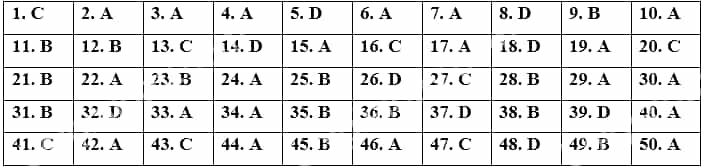
Đáp án
HƯỚNG DẪN GIẢI
THỰC HIỆN: BAN CHUYÊN MÔN trithuchub.com
HƯỚNG DẪN GIẢI CHI TIẾT
1. (TH)
Kiến thức: Cấu trúc “as soon as”
Giải thích:
Cấu trúc “as soon as” đứng đầu câu khi hai hành động chưa xảy ra tại thời điểm nói:
As soon as + S + V (present) …, S + will + V-infinitive …
=> As soon as I finish reading this book, I will lend it to you.
Tạm dịch: Ngay sau khi tôi đọc xong cuốn sách này, tôi sẽ cho bạn mượn nó.
Đáp án C
2. (TH)
Kiến thức: So sánh tính từ
Giải thích:
Trong câu có “than” => đây là so sánh hơn.
“interesting” là tính từ dài => S + tobe (much) + more + adj + than + O.
=> This novel is much more interesting than the one I read last week.
Tạm dịch: Cuốn tiểu thuyết này thú vị hơn nhiều so với cuốn tôi đọc tuần trước.
Đáp án A
3. (TH)
Kiến thức: to V/ V-ing
Giải thích:
Cấu trúc khuyên ai đó nên làm gì:
S + advise(s/ed) sb + to V-infinitive + O.
=> The doctor advised me to eat more vegetables and fresh fruit.
Tạm dịch: Bác sĩ khuyên tôi nên ăn nhiều rau và trái cây tươi.
Đáp án A
4. (TH)
Kiến thức: Câu điều kiện
Giải thích:
Mệnh đề điều kiện (chứa if) chia ở thì hiện tại đơn (spend) => đây là câu điều kiện loại 1.
Trong mệnh đề chính của câu điều kiện loại 1, chúng ta chia động từ ở thì tương lai đơn (will + V).
=> If parents spend more time with their children, they will be happier.
Tạm dịch: Nếu cha mẹ dành nhiều thời gian hơn cho con cái, chúng sẽ hạnh phúc hơn.
Đáp án A
5. (TH)
Kiến thức: Mạo từ
Giải thích:
Chúng ta dùng mạo từ “the” cho danh từ xác định, danh từ nhắc đến mà cả người nghe và người nói đều biết.
=> Parking is difficult in the city centre, so he often goes there by bus.
Tạm dịch: Khó đậu xe ở trung tâm thành phố nên anh ấy thường đến đó bằng xe buýt.
Đáp án D
6. (TH)
Kiến thức: Từ vựng
Giải thích:
Cụm “break the bad habit”: bỏ thói quen xấu
=> He is trying to break the bad habit of using the Internet all day.
Tạm dịch: Anh ấy đang cố bỏ thói quen xấu là sử dụng Internet cả ngày.
Đáp án A
7. (TH)
Kiến thức: Cấu trúc “suggest”
Giải thích:
S + suggest(ed) + that + S + should + V-infinitive + O: gợi ý ai đó nên làm gì
=> She suggested that we should money for the poor in the neighbourhood.
Tạm dịch: Cô ấy gợi ý rằng chúng tôi nên quyên tiền cho người nghèo trong khu phố.
Đáp án A
8. (TH)
Kiến thức: Từ vựng
Giải thích:
generation gap: khoảng cách thế hệ
=> Modern technology is widening the generation gap between parents and their children.
Tạm dịch: Công nghệ hiện đại đang nới rộng khoảng cách thế hệ giữa cha mẹ và con cái.
Đáp án D
9. (TH)
Kiến thức: Câu bị động
Giải thích:
Dấu hiệu nhận biết: two years ago (2 năm trước) => thì quá khứ đơn
Chủ ngữ (This shopping mall) là vật => dùng bị động
Bị động ở thì quá khứ đơn: was/were + V-p2
=> This shopping mall, which was built two years ago, attracts a lot of shoppers.
Tạm dịch: Trung tâm mua sắm này, được xây dựng cách đây hai năm, thu hút rất nhiều người mua sắm.
Đáp án B
10. (TH)
Kiến thức: Từ vựng
Giải thích:
A. multicultural (adj): thuộc nhiều lĩnh vực văn hóa khác nhau
B. historic (adj): có tính chất lịch sử
C. local (adj): thuộc địa phương
D. traditional (adj): truyền thống
=> New York is a multicultural city with people from all over the world.
Tạm dịch: New York là một thành phố đa văn hóa với mọi người từ khắp nơi trên thế giới.
Đáp án A
11. (TH)
Kiến thức: Từ loại
Giải thích:
Sau động từ (learn) nên chúng ta cần dùng một trạng từ.
effect (n): ảnh hưởng => affect (v) => effective (adj) => effectively (adv): hiệu quả
=> Children should be taught how to use electronic devices to learn effectively.
Tạm dịch: Trẻ em nên được dạy cách sử dụng các thiết bị điện tử để học hiệu quả.
Đáp án B
12. (TH)
Kiến thức: Từ vựng
Giải thích:
A. journey (n): chuyến đi một chiều từ nơi này đến nơi khác
B. trip (n): chuyến đi nhanh chóng, ngắn ngày
C. flight (n): chuyến bay
D. travel (n): chuyến du lịch
=> Last weekend, I went on a school trip to Cuc Phuong National Park.
Tạm dịch: Cuối tuần trước, tôi đã có một chuyến đi đến vườn quốc gia Cúc Phương.
Đáp án B
13. (TH)
Kiến thức: Phrasal verb
Giải thích:
A. turned off: tắt thiết bị nào đó
B. turned on: bật, gây cho ai đó niềm vui
C. turned down: từ chối lời mời, giảm âm lượng
D. turned up: xuất hiện, tăng âm lượng
=> There were six applications for the job, but four of them were turned down.
Tạm dịch: Có sáu đơn xin việc, nhưng bốn trong số đó đã bị từ chối.
Đáp án C
14. (TH)
Kiến thức: Từ vựng
Giải thích:
Chủ ngữ “She” là chỉ người => dùng tính từ đuôi “-ed” => loại ĐA B, C
admired (adj): thán phục
amzed (adj): ngạc nhiên
=> She was amazed that he was very calm and solved the problem quietly.
Tạm dịch: Cô ngạc nhiên vì anh rất bình tĩnh và giải quyết vấn đề một cách nhẹ nhàng.
Đáp án D
15. (TH)
Kiến thức: Từ vựng
Giải thích:
Tobe famous for: nổi tiếng về cái gì đó
=> This restaurant is famous for its excellent dishes and service.
Tạm dịch: Nhà hàng này nổi tiếng với các món ăn và dịch vụ tuyệt vời.
Đáp án A
16. (TH)
Kiến thức: Từ loại
Giải thích:
Sau tính từ nên chúng ta cần điền danh từ
develop (v): phát triển => development (n): sự phát triển
=> With rapid scientific development, humans will soon be able to inhabit other planets.
Tạm dịch: Với sự phát triển khoa học nhanh chóng, con người sẽ sớm có thể sinh sống trên các hành tinh khác.
Đáp án C
17. (TH)
Kiến thức: Liên từ
Giải thích:
despite + V-ing/ N = although + S + V: mặc dù
because + S + V = because of + N/ V-ing: bởi vì
the heavy rain (mưa to) là cụm danh từ. Xét theo nghĩa của câu chọn "despite".
=> The farmers went on harvesting the crop despite the heavy rain.
Tạm dịch: Những người nông dân tiếp tục thu hoạch vụ mùa mặc dù mưa lớn.
Đáp án A
18. (TH)
Kiến thức: Từ vựng
Giải thích:
Tobe out of fashion: lỗi mốt, lỗi thời
=> Jeans have never been out of fashion as young people always like them.
Tạm dịch: Quần jeans chưa bao giờ lỗi mốt khi được giới trẻ ưa chuộng.
Đáp án D
19. (TH)
Kiến thức: Liên từ
Giải thích:
A. so that: vì vậy, do đó, theo sau là mệnh đề
B. so as to: để, theo sau là V-infinitive
C. therefore: vì vậy, đứng trước dấu phẩy, theo sau là mệnh đề
D. although: mặc dù
=> She went to Tay Ho village in Hue therefore she could buy some bai tho conical hats.
Tạm dịch: Cô ấy đã đi đến làng Tây Hồ ở Huế, do đó cô ấy có thể mua một vài chiếc nón lá bài thơ.
Đáp án A
20. (TH)
Kiến thức: Cấu trúc “used to”
Giải thích:
used to + V-infinitive: đã từng làm gì trong quá khứ, giờ không còn làm nữa.
tobe/ get used to + V-ing: quen với việc gì đó
=> When I was a child, I used to fly a kite in the field near my house.
Tạm dịch: Khi còn nhỏ, tôi thường thả diều trên cánh đồng gần nhà.
Đáp án C
21. (TH)
Kiến thức: Từ loại
Giải thích:
Sau tobe chúng ta dùng tính từ.
Sửa “peacefully” => “peaceful”
=> Living in the countryside seems to be more peaceful than living in a big city.
Tạm dịch: Sống ở nông thôn có vẻ yên bình hơn sống ở thành phố lớn.
Đáp án B
22. (TH)
Kiến thức: Quá khứ đơn
Giải thích:
Dấu hiệu nhận biết: Yesterday (hôm quá) => chia ở thì quá khứ đơn
Sửa “is” => “was”
=> Yesterday, Ha was absent from school as she caught a cold and had to stay at home.
Tạm dịch: Hôm qua Hà nghỉ học vì bị cảm lạnh phải ở nhà.
Đáp án A
23. (TH)
Kiến thức: Giới từ
Giải thích:
Bình thường chúng ta dùng “at” trước các ngày lễ.
Tuy nhiên, nếu có “day” thì chúng ta dùng “on”
Sửa “at” => “on”
=> Children often receive chocolate or sugar eggs on Easter Day.
Tạm dịch: Trẻ em thường nhận được sô cô la hoặc trứng đường vào ngày lễ Phục sinh.
Đáp án B
24. (TH)
Kiến thức: Từ vựng
Giải thích:
helpless (adj): bất lực >< helpful (adj): hữu ích
Sửa “helpless” => “helpful”
=> William is a helpful teacher and a good listener to his students.
Tạm dịch: William là một giáo viên hữu ích và là người biết lắng nghe học sinh của mình.
Đáp án A
25. (TH)
Kiến thức: Câu hỏi đuôi
Giải thích:
Vế trước câu hỏi đuôi dùng thì hiện tại đơn (usually help) => câu hỏi đuôi dùng thì hiện tại đơn (do/does (not) + S)
Vế trước câu hỏi đuôi dùng khẳng định => câu hỏi đuôi dùng phủ định
Sửa “didn’t” => “don’t”
=> You usually help your parents with the housework, don’t you?
Tạm dịch: Bạn thường giúp bố mẹ làm việc nhà phải không?
Đáp án B
26. (TH)
Kiến thức: Ngôn ngữ giao tiếp
Giải thích:
Alex và Sarah đang nói về trò chơi máy tính.
Alex: “Chơi trò chơi máy tính quá nhiều không tốt cho sức khỏe của trẻ em.”
Sarah: “______. Nó cũng ảnh hưởng xấu đến việc học của chúng.”
A. Tôi không đồng ý với bạn
B. Điều đó không đúng
C. Bạn sai rồi
D. Đúng vậy
Đáp án D
27. (TH)
Kiến thức: Ngôn ngữ giao tiếp
Giải thích:
Tom đang hỏi một người qua đường trên phố.
Tom: “Có nhà hóa học nào gần đây không?”
Người qua đường: “________”
A. Tra từ điển.
B. Vâng, đúng vậy.
C. Đằng kia. Bên cạnh hiệu sách.
D. Đi bộ.
Đáp án C
28. (TH)
Kiến thức: Ngôn ngữ giao tiếp
Giải thích:
Mrs.Cruise và Jimmy đang nói về nghiên cứu của anh ấy.
Bà Cruise: “Jimmy, con đã tiến bộ rất nhiều trong học kỳ này.”
Jimmy: “________”
A. Ồ, bạn nói đúng.
B. Cảm ơn bạn. Nó thực sự đáng khích lệ.
C. Tôi được điểm A môn Vật lý
D. Không có chi.
Đáp án B
29. (TH)
Kiến thức: Ngôn ngữ giao tiếp
Giải thích:
Laura đang nói chuyện với bạn của cô ấy, tôi, Jenny.
Laura: “Cảm ơn bạn đã giúp tôi với dự án của mình.”
Jenny: "________"
A. Không có chi.
B. Xin chúc mừng!
C. Đó là một dự án xuất sắc.
D. Vâng, tôi thích nó.
Đáp án A
30. (TH)
Kiến thức: Ngôn ngữ giao tiếp
Giải thích:
Kate và Rosy đang nói về bạn học mới.
Kate: “_________”
Rosy: “Anh ấy cao và gầy với mái tóc xoăn.”
A. George trông như thế nào?
B. George thích gì?
C. George trông giống ai?
D. George làm nghề gì?
Đáp án A
31. (TH)
Kiến thức: Đọc hiểu
Giải thích: Trẻ học được điều gì khi đếm nốt nhạc trong một bản nhạc?
A. phân số
B. nhịp điệu
C. ngôn ngữ khác
D. tiếng mẹ đẻ của họ
Thông tin: And when children are learning about rhythm, they are counting the notes in a piece of music.
Tạm dịch: Và khi trẻ học về nhịp điệu, chúng đang đếm các nốt nhạc trong một bản nhạc.
Đáp án B
32. (TH)
Kiến thức: Đọc hiểu
Giải thích: Chủ đề chính của đoạn văn là gì?
A. Ảnh hưởng của âm nhạc đối với trẻ sơ sinh
B. Mối liên hệ giữa âm nhạc và toán học
C. Con đường sự nghiệp âm nhạc cho trẻ em
D. Lợi ích của việc học nhạc cho trẻ em
Thông tin:
- According to some studies, musical training can develop the part of children’s brain that is involved with languages, so they can understand their own language better.
- Music can also let children explore new ideas, think in a creative way, and gain confidence.
- One of the biggest benefits, of course, is that listening to music helps children to be less stressed.
Tạm dịch:
- Theo một số nghiên cứu, đào tạo âm nhạc có thể phát triển phần não liên quan đến ngôn ngữ của trẻ em, để chúng có thể hiểu ngôn ngữ của mình tốt hơn.
- Âm nhạc cũng có thể giúp trẻ khám phá những ý tưởng mới, suy nghĩ theo cách sáng tạo và có được sự tự tin.
- Tất nhiên, một trong những lợi ích lớn nhất là nghe nhạc giúp trẻ bớt căng thẳng hơn.
Đáp án D
33. (TH)
Kiến thức: Đọc hiểu
Giải thích: Từ “It” trong đoạn 2 đề cập đến ___________.
A. đào tạo âm nhạc
B. Trí não của trẻ
C. ngôn ngữ riêng của họ
D. ngôn ngữ thứ hai
Thông tin: According to some studies, musical training can develop the part of children’s brain that is involved with languages, so they can understand their own language better. It could also help with learning a second language.
Tạm dịch: Theo một số nghiên cứu, đào tạo âm nhạc có thể phát triển phần não liên quan đến ngôn ngữ của trẻ em, để chúng có thể hiểu ngôn ngữ của mình tốt hơn. Nó cũng có thể giúp học một ngôn ngữ thứ hai.
Đáp án A
34. (TH)
Kiến thức: Đọc hiểu
Giải thích: Từ “stressed” trong đoạn 4 gần nghĩa nhất với __________.
A. worried (adj): lo lắng
B. pleased (adj): vừa lòng
C. excited (adj): vui mừng
D. satisfied (adj): hài lòng
=> stressed = worried: lo lắng
Đáp án A
35. (TH)
Kiến thức: Đọc hiểu
Giải thích: Theo đoạn văn, câu nào sau đây KHÔNG đúng?
A. Sáng tác âm nhạc giúp cải thiện kỹ năng nghe của trẻ.
B. Chúng có thể là một số liên kết giữa đọc nhạc và toán học.
C. Học nhạc có thể giúp trẻ học ngôn ngữ tốt hơn.
D. Những đứa trẻ có kiến thức về âm nhạc nhất định sẽ có một con đường sự nghiệp tuyệt vời.
Thông tin: For example, reading music includes learning about quarter and half notes, which are basically fractions, like in mathematics.
Tạm dịch: Ví dụ, đọc nhạc bao gồm học về các nốt một phần tư và nốt rưỡi, về cơ bản là các phân số, giống như trong toán học.
Đáp án B
Dịch bài đọc:
Nhiều trẻ em có các lớp học âm nhạc khi chúng đi học. Vậy chính xác làm thế nào trẻ em có thể hưởng lợi từ việc học nhạc?
Theo một số nghiên cứu, đào tạo âm nhạc có thể phát triển phần não liên quan đến ngôn ngữ của trẻ em, để chúng có thể hiểu ngôn ngữ của mình tốt hơn. Nó cũng có thể giúp học một ngôn ngữ thứ hai. Hơn nữa, những đứa trẻ học nhạc dường như cũng đạt điểm cao hơn trong các lĩnh vực khác. Ví dụ, đọc nhạc bao gồm học về các nốt một phần tư và nốt rưỡi, về cơ bản là các phân số, giống như trong toán học. Và khi trẻ học về nhịp điệu, chúng đang đếm các nốt nhạc trong một bản nhạc. Vì vậy, những môn học này dường như được kết nối với nhau.
Âm nhạc cũng có thể giúp trẻ khám phá những ý tưởng mới, suy nghĩ theo cách sáng tạo và có được sự tự tin. Nếu họ đang học guitar, sẽ rất thú vị khi họ có thể sáng tạo ra những bản nhạc của riêng mình. Hơn nữa, khi họ làm điều đó, họ cũng đang rèn luyện kỹ năng nghe của mình vì họ phải nghe kỹ bản nhạc mà họ đang tạo ra. Điều này đặc biệt quan trọng khi họ biểu diễn với người khác.
Tất nhiên, một trong những lợi ích lớn nhất là nghe nhạc giúp trẻ bớt căng thẳng hơn. Và việc tạo ra âm nhạc có thể khiến họ cảm thấy như vậy. Và ai biết? Có thể kiến thức âm nhạc của họ sẽ mở ra một con đường sự nghiệp tuyệt vời cho họ trong tương lai.
36. (TH)
Kiến thức: Từ vựng
Giải thích:
A. counted (v): đếm
B. included (v): bao gồm
C. combined (v): kết hợp
D. showed (v): trưng bày
=> The survey included 300 teenagers, 13-18 years old, from all over Britain.
Tạm dịch: Cuộc khảo sát bao gồm 300 thanh thiếu niên, 13-18 tuổi, từ khắp nước Anh.
Đáp án B
37. (TH)
Kiến thức Đọc hiểu
Giải thích: many: nhiều, đi với danh từ số nhiều đếm được
=> By the time they reach their teens, many children see their weekly pocket money rise dramatically to an average £20.
Tạm dịch: Khi đến tuổi thiếu niên, nhiều trẻ em thấy số tiền tiêu vặt hàng tuần của mình tăng lên đáng kể, trung bình là 20 bảng Anh.
Đáp án D
38. (TH)
Kiến thức: Từ loại
Giải thích: worry about debt: nỗi lo về nợ
=> Although they have more cash, worry about debt is increasing.
Tạm dịch: Mặc dù họ có nhiều tiền mặt hơn nhưng nỗi lo về nợ ngày càng tăng.
Đáp án B
39. (TH)
Kiến thức: Liên từ
Giải thích:
A. Whereas: trong khi
B. Although: mặc dù
C. However: tuy nhiên
D. Therefore: vì vậy, do đó
=> Therefore, most children make an effort to put some aside for the future.
Tạm dịch: Do đó, hầu hết trẻ em đều nỗ lực để dành một số tiền cho tương lai.
Đáp án D
40. (TH)
Kiến thức: Đọc hiểu
Giải thích:
“the children” là danh từ chỉ người, phía sau là động từ “took” nên chúng ta cần một đại từ quan hệ thay thế cho danh từ chỉ người đóng vai trò làm chủ ngữ trong câu.
=> Instead of washing their pocket money on sweets or magazines, the majority of the children who took part in the survey save more than half of their cash.
Tạm dịch: Thay vì tiêu tiền tiêu vặt vào kẹo hoặc tạp chí, phần lớn trẻ em tham gia cuộc khảo sát tiết kiệm hơn một nửa số tiền mặt của chúng.
Đáp án A
Dịch bài đọc:
Thanh thiếu niên không tiêu nhiều tiền như cha mẹ họ nghĩ theo kết quả của một cuộc khảo sát gần đây. Cuộc khảo sát bao gồm 300 thanh thiếu niên, 13-18 tuổi, từ khắp nước Anh. Khi đến tuổi thiếu niên, nhiều trẻ em thấy số tiền tiêu vặt hàng tuần của mình tăng lên đáng kể, trung bình là 20 bảng Anh.
Khả năng tiếp cận tiền mặt nhiều hơn ở thanh thiếu niên không có nghĩa là họ vô trách nhiệm hơn. Mặc dù họ có nhiều tiền mặt hơn nhưng nỗi lo về nợ ngày càng tăng. Do đó, hầu hết trẻ em đều nỗ lực để dành một số tiền cho tương lai. Thay vì tiêu tiền tiêu vặt vào kẹo hoặc tạp chí, phần lớn trẻ em tham gia cuộc khảo sát tiết kiệm hơn một nửa số tiền mặt của chúng.
41. (VD)
Kiến thức: Cấu trúc câu đồng nghĩa
Giải thích: “the house” là chủ ngữ chỉ vật => dùng “which” thay thế cho “It”
=> The house which belongs to my grandparents was built in 1975.
Tạm dịch: Ngôi nhà của ông bà tôi được xây dựng vào năm 1975.
Đáp án C
42. (VD)
Kiến thức: Cấu trúc câu đồng nghĩa
Giải thích:
Dấu hiệu “next Sunday”, chúng ta dùng:
S + wish + S + could/ would + V-infinitive + O.
=> I wish I could come to the music festival next Sunday.
Tạm dịch: Tôi ước tôi có thể đến lễ hội âm nhạc vào chủ nhật tới.
Đáp án A
43. (VD)
Kiến thức: Cấu trúc câu đồng nghĩa
Giải thích:
Câu tường thuật dạng Wh-questions:
S + asked sb + Wh- + S + V-lùi thì + O.
Thì quá khứ đơn lùi sang thì quá khứ hoàn thành (had + V-p2)
Last night => the previous night
=> Mike’s mother asked him what time he had gone to bed the previous night.
Tạm dịch: Mẹ của Mike đã hỏi anh ấy rằng anh ấy đi ngủ lúc mấy giờ vào tối hôm trước.
Đáp án C
44. (VD)
Kiến thức: Cấu trúc câu đồng nghĩa
Giải thích:
Câu điều khiện loại 2 dùng để diễn tả những giả định không có thực ở hiện tại.
Công thức: If + S1 + V1 (quá khứ đơn) + O1, S2 + would/ could (not)+ V-infinitive + O2.
=> If we had enough time, we could visit the pottery village.
Tạm dịch: Nếu có đủ thời gian, chúng tôi có thể ghé thăm làng gốm.
Đáp án A
45. (VD)
Kiến thức: Cấu trúc câu đồng nghĩa
Giải thích: Câu bị động với “have/ has to”: S + has/ have to be + V-p2 + (by O).
=> The tourists have to be picked up from the airport.
Tạm dịch: Các khách du lịch phải được đón từ sân bay.
Đáp án B
46. (VD)
Kiến thức: Cấu trúc câu cơ bản
Giải thích:
- Nối giữa 2 động từ thì chúng ta dùng “to” => volunteered to provide
- provide sb with O/ provide for sb => provide meals for schoolchildren
=> Those students volunteered to provide meals for schoolchildren in remote areas.
Tạm dịch: Những sinh viên tình nguyện cung cấp bữa ăn cho học sinh vùng sâu vùng xa.
Đáp án A
47. (VD)
Kiến thức: Cấu trúc câu cơ bản
Giải thích:
Take part in: tham gia (= participate in)
So sánh ngang bằng: as adj/N as
Loại đáp án D vì should be V-p2 là câu bị động.
=> Students should take part in as many extracurricular activities as possible.
Tạm dịch: Học sinh nên tham gia càng nhiều hoạt động ngoại khóa càng tốt.
Đáp án C
48. (VD)
Kiến thức: Cấu trúc câu cơ bản
Giải thích: Vế sau của câu đưa ra nguyên nhân => dùng because (bởi vì)
=> They have closed down the water park because it is not safe for children.
Tạm dịch: Họ đã đóng cửa công viên nước vì nó không an toàn cho trẻ em.
Đáp án D
49. (VD)
Kiến thức: Cấu trúc câu cơ bản
Giải thích:
- So sánh hơn nhất với tính từ dài: the most + adj
- Cấu trúc: This is + so sánh hơn nhất + that + S + have/has ever + V-p2
= This is the first time S + have/has + V-p2 …
=> This is the most meaningful experience that we have ever had.
Tạm dịch: Đây là trải nghiệm ý nghĩa nhất mà chúng tôi từng có.
Đáp án B
50. (VD)
Kiến thức: Cấu trúc câu cơ bản
Giải thích: too + adj: quá …
Công thức: S + tobe + too + adj + for sb + to V-infinitive + O.
=> The exercise was too long for the students to do in ten minutes.
Tạm dịch: Bài tập quá dài để học sinh làm trong mười phút.
Đáp án A
Đề thi vào 10 môn Anh Hải Dương năm 2022
Đề bài
Section 1: Mark the letter A, B, C or D on your answer sheet to indicate the best answer to each of the following questions.
Question 1: The teacher ______ me that I had to prepare for the examination carefully.
A. told to
B. said to
C. spoke
D. said
Question 2: The Smiths usually go out for dinner_______ Sundays.
A. by
B. in
C.at
D. on
Question 3: For Vietnamese people, Tet or Lunar New Year holiday is the most important _______.
A. celebrating
B. celebration
C. celebrate
D. celebrity
Question 4: If you don't work harder, you _______ successful.
A. wouldn't be
B. couldn't be
C. not be
D. won’t be
Question 5: If Mary _____ here now, she would help me to solve this problem.
A. were
B. has been
C. is
D. would be
Question 6: I think this test is_______ than the one we did last month.
A. as difficult
B. more difficult
C. the most difficult
D. difficult
Question 7: Jack found an old coin while he _______.
A. works
B. was working
C. is working
D. working
Question 8: When I was a boy, I _______ swimming every morning.
A. use to go
B. used to go
C. used to going
D. use to going
Question 9: It took us three days _________ our project on how to reduce water pollution.
A. to complete
B. complete
C. completing
D. to completing
Question 10: "Caroline, remember to ______ your coat before going out! It's very cold today," said the mother.
A. put off
B. put on
C. take on
D. take off
Question 11: The book ______ I read yesterday written by Jack London.
A. which
B. when
C. what
D. who
Question 12: In the changing world of work, nowadays people have to keep learning and be _______ for building their future.
A. responsible
B. irresponsible
C. dependent
D. uncertain
Question 13: My friend is dreaming of becoming a(n) ________ because she will have many opportunities to perform in the Grand Theater.
A. mechanic
B. pharmacist
C. architect
D. opera singer
Question 14: The bridge near my school______ in the storm last week.
A. destroyed
B. was destroyed
C. is destroyed
D. has destroyed
Question 15: The picture is beautiful, _________?
A. does it
B. hasn't it
C. isn't it
D. wasnt it
Question 16: _________the bad weather, the train to Yorkshire was delayed.
A. Although
B. Because
C. Because of
D. In spite of
Question 17: Michael felt tired. _________, he went to work and tried to concentrate.
A. Therefore
B. However
C. So
D. But
Question 18: Reading English books helps ________ my vocabulary and understand the context where words are used.
A. narrow
B. weaken
C. widen
D. worsen
Question 19: David wishes he ________ the answer to this question.
A. know
B. will know
C. have known
D. knew
Question 20: The monitor suggested _________ our summer holiday in the mountain.
A. to have
B. having
C. had
D. have
Section 2: Mark the letter A, B, C, or D on your answer sheet to indicate the option that best completes each of the following exchanges.
Question 21: Tom and John are talking about their weekend.
Tom: "Why don't we go to the beach this weekend, John?"
John: “____________”
A. Oh, well done!
B. Yes, we do.
C. Yes, that's a good idea.
D. Sure, it is a pity.
Question 22: Peter is talking about the hat Veronica is wearing.
Peter: "What a nice hat you are wearing, Veronica!"
Veronica: “____________”
A. Yes, of course.
B. No problem
C. Thanks for your nice compliment.
D. You're right.
Question 23: Jane and Cathy are talking in the garden.
Jane: "Would you like to join us for dinner tonight?
Cathy: “____________ (I have something to do)”
A. Yes, Thanks
B. Sorry, I can't
C. That's great!
D. Yes, I’d love to
Question 24: Mal and Trang are talking in the classroom.
Mait "Would you mind opening the window, Trang? It's a bit dark here."
Trang: “____________”
A. Yes, let's
B. No, not at all
C. Yes, my pleasure.
D. Yes, I would
Question 25: Rebecca is talking to Jacob about his exam result.
Rebecca: Congratulations, Jacob! You've got the highest score in your exam."
Jacob: “____________”
A. No problem.
B. Sorry to hear that
C. That's very kind of you to say so.
D. None of your business.
Section 3: Read the following passage and mark the letter A, B, C, or D on your answer sheet to indicate the correct word that best fits each of the numbered blanks.
In Viet Nam, a market is a trading place, but many markets are not only about buying and selling things. A traditional market is (26) ______ social gathering point for people of all ages and it is a new and exciting experience for children. People go to the traditional market to buy and sell things, to eat, drink, and play games and (27) ______. For example, if you go to Sa Pa Market (28) ______ is in the highlands in the north of Viet Nam, you can see people wear their nicest clothes and spend all day long at the market. They buy things, play the flute, dance and sing. This is also time to meet, (29) ______ friends or look for lovers. Some (30) ______ countryside markets in the Mekong Delta are held on boats. The most exciting time to enjoy the atmosphere of the markets is in the early morning.
Question 26:
A. an
B. a
C. the
D. (no article)
Question 27:
A. socialize
B. socially
C. social
D. sociable
Question 28:
A. who
B. whom
C. that
D. which
Question 29:
A. get
B. do
C. take
D. make
Question 30:
A. others
B. other
C. another
D. each
Section 4: Read the following passage and mark the letter A, B, C or D on your answer sheet to indicate the correct answer for each of the questions.
Saving energy does not have to be expensive or time-consuming. But what can you do to save energy? There is plenty that you can do to help the process of energy conservation. You can save energy by following these simple rules: making sure that the kettle does not contain more water than needed; always washing a full load in the washing machine rather than a half load; turning down your central heating by 1° C - this could cut your heating bill by 10%; being sure that hot water taps are not left running and replacing washers if your taps drip; turning off any lights and your computer at work if you are not using them; changing to energy-saving light bulbs which use around a quarter of the electricity of standard bulbs and will last eight times longer, closing your curtains at dusk to keep the warm air from escaping through the windows, and switching off electrical appliances when they are not in use.
Question 31: The energy saving light bulbs consume about of electricity amount in comparison with standard ones.
A. 25%
B. 35%
C. 15%
D. 45%
Question 32: Which of the following sentences is NOT true, according to the passage?
A. Turn off electrical appliances if we do not use them.
B. Energy-saving light bulbs should be used in order to save electricity.
C. The ways to save energy are not time-consuming or costly.
D. We should dose our curtains so that our house looks more beautiful.
Question 33: The word "cut" in the passage is closest in meaning to
A. raise
B. increase
C. destroy
D. reduce
Question 34: What is the main topic of the passage?
A. How to protect the environment
B. How to use light bulbs
C. How to keep your house warm
D. How to save energy
Question 35: The word "they” in the passage refers to….
A. windows
B. curtains
C. electrical appliances
D. ordinary bulbs
Section 5: Mark the letter A, B, C, or D on your answer sheet to indicate the underlined part that needs correction in each of the following questions.
Question 36: My neighbor usually looks up my dog when I am away on holiday.
A B C D
Question 37: Yesterday it rains heavily, so we couldn't play football.
A B C D
Question 38: In my opinion, the Internet is a very fast and conveniently way to get information.
A B C D
Question 39: Bat Trang is one of the more famous traditional craft villages of Ha Noi.
A B C D
Question 40: Vera got used to speak Japanese when she worked in Tokyo.
A B C D
Section 6: Mark the letter A, B, C, or D on your answer sheet to indicate the sentence that is closest in meaning to each of the following questions.
Question 41: "I will visit my grandma this Saturday, Ann said.
A. Ann said that she will visit my grandma this Saturday.
B. Ann said that she would visit my grandma that Saturday.
C. Ann said that she will visit her grandma this Saturday.
D. Ann said that she would visit her grandma that Saturday.
Question 42: John last returned to his home town 12 years ago.
A. John didn't return to his home town for 12 years.
B. John hasn't returned to his home town for 12 years.
C. John has retumed to his home town since 12 years
D. John hasn't returned to his home town since 12 years.
Question 43: My village does not have access to clean piped water.
A. I wish my village didnt have access to dean piped water.
B. I wish my village has access to clean piped water.
C. I wish my village had access to clean piped water.
D. I wish my village has had access to clean piped water.
Question 44: Should they allow students to use electronic devices in class?
A. Should students be allowed to using electronic devices in class
B. Should students be allowing to use electronic devices in cLass?
C. Should students be allowed to use electronic devices in class?
D. Should students are allowed to use electronic devices in class?
Question 45: The picture was so expensive that Mr. Brown couldn't buy it.
A. The picture was not very expensive that Mr. Brown could buy it.
B. The picture was expensive enough for Mr. Brown to buy.
C. The picture was too expensive that Mr. Brown couldn't buy it.
D. It was such an expensive picture that Mr. Brown couldn't buy it.
Section 7: Mark the letter A, B, C, or D on your answer sheet to indicate the correct sentence that can be made from the given cues.
Question 46: In spite/ love/ Physics/ Nariko/ decide/ become/ Chemistry teacher.
A. In spite loving Physics, Nariko has decided to become a Chemistry teacher. electito v
B. In spite of loving Physics, Nariko has decided to become a Chemistry teacher.
C. In spite of loving Physics, Nariko has decided becoming a Chemistry teacher.
D. In spite of love Physics, Nariko has decided to become a Chemistry teacher.
Question 47: Joan/ get wet/ way/ school this morning/ because she/forget/ raincoat.
A. Joan got wet on the way to school this morning because of she forgot her raincoat.
B. Joan got wet on the way to school this morning because she forgets her raincoat.
C. Joan got wet on the way to school this morning because she forgot her raincoat.
D. Joan getting wet on the way to school this morning because she forgot her raincoat.
Question 48: The dishes/ my aunt/cook/party/ last weekl be delicious.
A. The dishes that my aunt cooks for the party last week are delicious.
B. The dishes that my aunt cooked for the party last week were delicious.
C. The dishes that my aunt cooking for the party last week were delicous.
D. The dishes that my aunt has cooked for the party last week were delicious.
Question 49: Which roles/ women/ expect/ playl future?
A. Which roles are women expected to playing in the future?
B. Which roles are women expected playing in the future?
C. Which roles is women expected to play in the future?
D. Which roles are women expected to play in the future?
Question 50: 1/ never/ meet/ intelligent/person/ than her.
A. I have never met a more intelligent person than her.
B. I have never met a so intelligent person than her.
C. I have never met such a most intelligent person than her.
D. I have never met intelligent person than her.
--------THE END----------
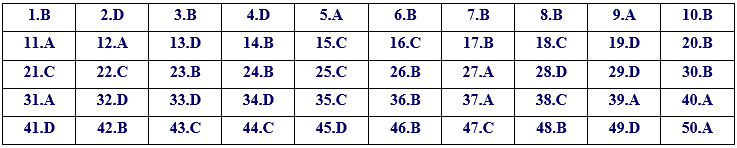
Đáp án
HƯỚNG DẪN GIẢI
Thực hiện: Ban chuyên môn trithuchub.com
Question 1
Kiến thức: Câu tường thuật
Giải thích:
Tường thuật câu đơn: S + told/ said to + O + (that) + S + V (lùi thì)
speak to somebody about something: nói với ai cái gì
Tạm dịch: Thầy giáo bảo tôi là tôi phải chuẩn bị cho bài kiểm tra cẩn thận.
Chọn B.
Question 2
Kiến thức: Giới từ
Giải thích:
A. by + thời điểm: vào lúc …
B. in + mùa, tháng, năm, thế kỷ, …: vào
C. at + the moment/ the present, giờ đúng, dịp lễ, …: vào lúc
D. on + thứ trong tuần/ ngày trong tháng, …: vào
Tạm dịch: Gia đình Smiths thường xuyên đi ra ngoài ăn tối vào các ngày Chủ nhật.
Chọn D.
Question 3
Kiến thức: Từ loại
Giải thích:
A. celebrating (V_ing): kỉ niệm
B. celebration (n): lễ kỉ niệm
C. celebrate (v): kỉ niệm
D. celebrity (n): người nổi tiếng
Cụm danh từ “the most important _______” => vị trí trống cần điền danh từ
Tạm dịch: Đối với người Việt Nam, Tết hay Tết Nguyên Đán là dịp lễ quan trọng nhất.
Chọn B.
Question 4
Kiến thức: Câu điều kiện loại 1
Giải thích:
Câu điều kiện loại 1: If + S + V_(s/ es), S + will/ can/ may + V_infinitive
Diễn tả một điều kiện có thể xảy ra ở hiện tại hoặc tương lai
Tạm dịch: Nếu bạn không làm việc chăm chỉ hơn, bạn sẽ không thành công.
Chọn D.
Question 5
Kiến thức: Câu điều kiện loại 2
Giải thích:
Câu điều kiện loại 2: If + S + V_ed/ cột 2, S + would/ could/ might + V_infinitive
Diễn tả 1 điều kiện trái với hiện tại, dẫn đến 1 kết quả trái với hiện tại
Tạm dịch: Nếu Mary ở đây bây giờ, cô ấy sẽ giúp tôi giải quyết vấn đề này.
Chọn A.
Question 6
Kiến thức: So sánh hơn
Giải thích:
So sánh hơn với tính từ dài: S1 + be + more + tính từ + than + S2
Tạm dịch: Tôi nghĩ bài kiểm tra này khó hơn bài chúng tôi đã làm vào tháng trước.
Chọn B.
Question 7
Kiến thức: Thì quá khứ tiếp diễn
Giải thích:
Cấu trúc: S + V_ed + while + S + was/ were + V_ing,
Diễn tả một hành động đang xảy ra thì một hành động khác xen vào
Tạm dịch: Jack tìm thấy một đồng xu cổ khi anh ấy đang làm việc.
Chọn B.
Question 8
Kiến thức: Cấu trúc “used to”
Giải thích:
S + used to + V_infinitive: Ai đó đã từng thường xuyên làm gì trong quá khứ, bây giờ không làm nữa
S + be/ get + used to + V_ing: Ai đó quen/ dần quen với việc làm gì ở hiện tại hoặc tương lai
Tạm dịch: Khi tôi còn là một cậu bé, tôi thường đi bơi vào mỗi buổi sáng.
Chọn B.
Question 9
Kiến thức: To V/ V_ing
Giải thích:
Cấu trúc: It + takes/ took + O + time + to V_infinitive + …: Ai đó tốn bao nhiêu thời gian làm gì
Tạm dịch: Chúng tôi đã mất ba ngày để hoàn thành dự án của mình về cách làm giảm ô nhiễm nguồn nước.
Chọn A.
Question 10
Kiến thức: Cụm động từ
Giải thích:
A. put off: hủy
B. put on: mặc (quần áo) vào
C. take on: tuyển dụng ai
D. take off: cởi (quần áo) ra, (máy bay) cất cánh
Tạm dịch: “Caroline, hãy nhớ mặc áo khoác trước khi ra ngoài nhé! Hôm nay trời rất lạnh,” bà mẹ nói.
Chọn B.
Question 11
Kiến thức: Đại từ quan hệ
Giải thích:
A. which + V: cái mà … => bổ sung thông tin cho từ chỉ vật trước nó
B. when + S + V: nơi mà … (when = giới từ + which) => bổ sung thông tin cho từ chỉ thời gian trước nó
C. what + S + V: cái/ điều …; không dùng để thay thế cho vật
D. who + V: người mà … => bổ sung thông tin cho từ chỉ người trước nó
Tạm dịch: Cuốn sách mà tôi đã đọc ngày hôm qua được viết bởi Jack London.
Chọn A.
Question 12
Kiến thức: Từ vựng
Giải thích:
A. responsible (adj): có trách nhiệm
B. irresponsible (adj): thiếu trách nhiệm
C. dependent (adj): phụ thuộc
D. uncertain (adj): không chắc chắn
Cấu trúc: be responsible for sth: có trách nhiệm về điều gì/làm gì
Tạm dịch: Trong thế giới công việc luôn thay đổi, ngày nay mọi người phải không ngừng học hỏi và có trách nhiệm xây dựng tương lai của mình.
Chọn A.
Question 13
Kiến thức: Từ vựng
Giải thích:
A. mechanic (n): thợ máy
B. pharmacist (n): người bán thuốc, dược sĩ
C. architect (n): kiến trúc sư
D. opera singer (n): ca sĩ opera
Tạm dịch: Bạn tôi mơ ước trở thành một ca sĩ opera vì cô ấy sẽ có nhiều cơ hội biểu diễn trong Nhà hát Lớn.
Chọn D.
Question 14
Kiến thức: Câu bị động
Giải thích:
Dấu hiệu nhận biết “last week” => chia thì quá khứ đơn
Câu bị động ở thì quá khứ đơn: S + was/ were + P2/ cột 3
Tạm dịch: Cây cầu gần trường tôi đã bị phá hủy trong trận bão tuần trước.
Chọn B.
Question 15
Kiến thức: Câu hỏi đuôi
Giải thích:
Vế trước câu hỏi đuôi dạng khẳng định => câu hỏi đuôi dạng phủ định
Vế trước: The picture is => câu hỏi đuôi: isn’t it?
Tạm dịch: Bức tranh rất đẹp phải không?
Chọn C.
Question 16
Kiến thức: Liên từ
Giải thích:
A. Although + S + V, …: Mặc dù … => chỉ sự nhượng bộ
B. Because + S + V, …: Bởi vì … => chỉ nguyên nhân
C. Because of + cụm danh từ/ V_ing, …: Bởi vì … => chỉ nguyên nhân
D. In spite of + cụm danh từ/ V_ing, …: Mặc dù … => chỉ sự nhượng bộ
Cụm danh từ “the bad weather”
Tạm dịch: Vì thời tiết xấu, chuyến tàu đến Yorkshire đã bị hoãn.
Chọn C.
Question 17
Kiến thức: Liên từ
Giải thích:
A. Therefore, + S + V: Do đó … => chỉ kết quả
B. However, + S + V: Tuy nhiên … => chỉ sự nhượng bộ
C. So + S + V: Vì vậy … => chỉ kết quả
D. But + S + V: Nhưng … => chỉ sự nhượng bộ
Tạm dịch: Michael cảm thấy mệt mỏi. Tuy nhiên, anh vẫn đi làm và cố gắng tập trung.
Chọn B.
Question 18
Kiến thức: Từ vựng
Giải thích:
A. narrow (v): làm hẹp
B. weaken (v): làm yếu đi, suy yếu
C. widen (v): mở rộng
D. worsen (v): tệ đi, xấu đi
Tạm dịch: Đọc sách tiếng Anh giúp mở rộng vốn từ vựng của tôi và giúp tôi hiểu ngữ cảnh các từ được sử dụng.
Chọn C.
Question 19
Kiến thức: Câu ước trái với hiện tại
Giải thích:
Câu ước trái với hiện tại: S + wish(es) + S + V_ed
Diễn tả một điều ước trái với hiện tại
Tạm dịch: David ước anh ấy biết câu trả lời cho câu hỏi này.
Chọn D.
Question 20
Kiến thức: To V/ V_ing
Giải thích:
Cấu trúc: S + suggest + V_ing + …: Ai đó đề nghị làm gì
Tạm dịch: Lớp trưởng đề nghị chúng tôi nghỉ hè trên núi.
Chọn B.
Question 21
Kiến thức: Ngôn ngữ giao tiếp
Giải thích:
Tom và John đang nói về ngày cuối tuần của họ.
Tom: “Tại sao chúng ta không đi biển vào cuối tuần này John nhỉ?”
John: “____________”
A. Ồ, làm tốt lắm!
B. Đúng, chúng tôi làm.
C. Ừ, đó là một ý kiến hay.
D. Chắc chắn rồi, thật đáng tiếc.
Chọn C.
Question 22
Kiến thức: Ngôn ngữ giao tiếp
Giải thích:
Peter đang nói về chiếc mũ mà Veronica đang đội.
Peter: “Cậu đang đội một chiếc mũ đẹp làm sao, Veronica!”
Veronica: “____________”
A. Vâng, tất nhiên.
B. Không sao
C. Cảm ơn vì lời khen tuyệt vời của cậu.
D. Cậu nói đúng.
Chọn C.
Question 23
Kiến thức: Ngôn ngữ giao tiếp
Giải thích:
Jane và Cathy đang nói chuyện trong vườn.
Jane: “Cậu có muốn tham gia ăn tối với chúng tớ tối nay không?”
Cathy: “____________. (Tớ có việc phải làm)”
A. Ừ, cảm ơn
B. Xin lỗi, tớ không thể
C. Thật tuyệt!
D. Ừ, tớ rất thích
Chọn B.
Question 24
Kiến thức: Ngôn ngữ giao tiếp
Giải thích:
Mai và Trang đang nói chuyện trong lớp.
Mai: “Cậu có phiền khi mở cửa sổ không hả Trang? Ở đây hơi tối.”
Trang: “____________”
A. Có, hãy làm đi.
B. Không, không hề.
C. Ừ, đó là niềm vinh hạnh của tớ.
D. Có, tớ sẽ.
Chọn B.
Question 25
Kiến thức: Ngôn ngữ giao tiếp
Giải thích:
Rebecca đang nói chuyện với Jacob về kết quả kỳ thi của anh ấy.
Rebecca: “Chúc mừng, Jacob! Cậu đã đạt điểm cao nhất trong kỳ thi.”
Jacob: “____________”
A. Không sao.
B. Xin lỗi khi nghe điều đó.
C. Cậu thật tốt khi nói như vậy.
D. Không phải việc của cậu.
Chọn C.
Question 26
Kiến thức: Mạo từ
Giải thích:
Trước danh từ đếm được dạng số ít “point” dùng để đưa ra định nghĩa về một sự vật hiện tượng nào đó thì ta dùng mạo từ chưa xác định “a/ an”.
A traditional market is (26) a social gathering point for people of all ages and it is a new and exciting experience for children.
Tạm dịch: Chợ truyền thống là một nơi tụ tập xã hội của mọi người ở mọi lứa tuổi và nó là một trải nghiệm mới mẻ và thú vị đối với trẻ em.
Chọn B.
Question 27
Kiến thức: Từ loại
Giải thích:
A. socialize (v): xã hội hóa, giao lưu, hòa nhập xã hội
B. socially (adv): về mặt xã hội
C. social (adj): thuộc về xã hội, mang tính xã hội
D. sociable (adj): hòa đồng
Liên từ “and” nối những từ cùng loại, cùng dạng, cùng tính chất
Trước “and” là động từ nguyên thể “eat”, “drink” và “play” => sau “and” cũng điền động từ
People go to the traditional market to buy and sell things, to eat, drink, and play games and (27) socialize.
Tạm dịch: Mọi người đến chợ truyền thống để mua bán vật dụng, ăn uống, chơi trò chơi và giao lưu với nhau.
Chọn A.
Question 28
Kiến thức: Đại từ quan hệ
Giải thích:
A. who + V: người mà … => bổ sung thông tin cho từ chỉ người trước nó
B. whom + S + V: người mà … => bổ sung thông tin cho từ chỉ người trước nó
C. that + V: cái/ người mà … => bổ sung thông tin cho từ chỉ vật/ người trước nó
D. which + V: cái mà … => bổ sung thông tin cho từ chỉ vật trước nó
Không dùng “that” trong mệnh đề quan hệ không xác định (có dấu “,”)
For example, if you go to Sa Pa Market, (28) which is in the highlands in the north of Viet Nam, you can see people wear their nicest clothes and spend all day long at the market.
Tạm dịch: Ví dụ, nếu bạn đến chợ Sa Pa, ở vùng cao phía bắc Việt Nam, bạn có thể thấy mọi người mặc những bộ quần áo đẹp nhất và dành cả ngày dài ở chợ.
Chọn D.
Question 29
Kiến thức: Từ vựng
Giải thích:
A. get (v): đạt được, nhận được
B. do (v): làm
C. take (v): lấy, cầm, …
D. make (v): tạo ra
=> Cụm “make friends”: kết bạn
This is also time to meet, (29) make friends or look for lovers.
Tạm dịch: Đây cũng là lúc để gặp gỡ, kết bạn hoặc tìm kiếm người yêu.
Chọn D.
Question 30
Kiến thức: Động từ khuyết thiếu
Giải thích:
A. others: những cái khác/ người khác (không nằm trong nhóm nào, chưa xác định)
B. other + Ns: người/ cái khác
C. another + N đếm được dạng số ít/ + of + N đếm được dạng số nhiều: người/ cái khác (không nằm trong nhóm nào, chưa xác định)
D. each + N đếm được dạng số ít: mỗi
Some (30) other countryside markets in the Mekong Delta are held on boats.
Tạm dịch: Một số chợ quê khác ở Đồng bằng sông Cửu Long được tổ chức trên thuyền.
Chọn B.
Dịch bài đọc:
Ở Việt Nam, chợ là nơi buôn bán, nhưng nhiều chợ không chỉ để mua và bán hàng hóa. Chợ truyền thống là một nơi tụ tập xã hội của mọi người ở mọi lứa tuổi và nó là một trải nghiệm mới mẻ và thú vị đối với trẻ em. Mọi người đến chợ truyền thống để mua bán vật dụng, ăn uống, chơi trò chơi và giao lưu với nhau. Ví dụ, nếu bạn đến chợ Sa Pa, ở vùng cao phía bắc Việt Nam, bạn có thể thấy mọi người mặc những bộ quần áo đẹp nhất và dành cả ngày dài ở chợ. Họ mua đồ, thổi sáo, nhảy múa và ca hát. Đây cũng là lúc để gặp gỡ, kết bạn hoặc tìm kiếm người yêu. Một số chợ quê khác ở Đồng bằng sông Cửu Long được tổ chức trên thuyền. Thời điểm thú vị nhất để tận hưởng không khí của các phiên chợ là vào sáng sớm.
Question 31
Kiến thức: Đọc hiểu
Giải thích:
Bóng đèn tiết kiệm điện tiêu thụ khoảng ______ lượng điện so với bóng đèn tiêu chuẩn.
A. 25%
B. 35%
C. 15%
D. 45%
Thông tin: … changing to energy-saving light bulbs which use around a quarter of the electricity of standard bulbs and will last eight times longer …
(… đổi sang dùng bóng đèn tiết kiệm năng lượng cái mà chỉ tiêu thụ khoảng một phần tư điện năng so với bóng đèn tiêu chuẩn và tuổi thọ sẽ lâu hơn gấp tám lần …)
Chọn A.
Question 33
Kiến thức: Đọc hiểu
Giải thích:
Câu nào sau đây KHÔNG đúng, theo đoạn văn?
A. Tắt các thiết bị điện nếu chúng ta không sử dụng chúng.
B. Nên sử dụng bóng đèn tiết kiệm điện để tiết kiệm điện.
C. Các cách tiết kiệm năng lượng thì không tốn thời gian hay đắt đỏ.
D. Chúng ta nên làm đóng rèm cửa để ngôi nhà của chúng ta trông đẹp hơn.
Thông tin: … closing your curtains at dusk to keep the warm air from escaping through the windows …
(… đóng rèm cửa vào lúc chạng vạng để ngăn không khí ấm thoát ra ngoài qua cửa sổ …)
Chọn D.
Question 33
Kiến thức: Đọc hiểu
Giải thích:
Từ “cut” trong đoạn văn gần nghĩa nhất với
cut (v): cắt, cắt giảm
A. raise (v): nâng lên
B. increase (v): tăng lên
C. destroy (v): phá hủy
D. reduce (v): giảm
=> cut = reduce: giảm
Thông tin: … turning down your central heating by 1° C - this could cut your heating bill by 10% …
(… giảm hệ thống sưởi trung tâm xuống 1°C - điều này có thể cắt giảm 10% hóa đơn sưởi ấm của bạn …)
Chọn D.
Question 34
Kiến thức: Đọc hiểu
Giải thích:
Chủ đề chính của đoạn văn là gì?
A. Cách bảo vệ môi trường
B. Cách sử dụng bóng đèn
C. Cách giữ ấm cho ngôi nhà của bạn
D. Cách tiết kiệm năng lượng
Thông tin: But what can you do to save energy? There is plenty that you can do to help the process of energy conservation. You can save energy by following these simple rules …
(Nhưng bạn có thể làm gì để tiết kiệm năng lượng? Có nhiều điều mà bạn có thể làm để đóng góp vào quá trình tiết kiệm năng lượng. Bạn có thể tiết kiệm năng lượng bằng cách tuân theo các quy tắc đơn giản sau …)
Chọn D.
Question 35
Kiến thức: Đọc hiểu
Giải thích:
Từ “they” trong đoạn văn dùng để ám chỉ
A. cửa sổ
B. rèm cửa
C. đồ dùng điện
D. bóng đèn thông thường
Thông tin: … and switching off electrical appliances when they are not in use.
(… và tắt các thiết bị điện khi chúng đang không được sử dụng.)
Chọn C.
Dịch bài đọc:
Tiết kiệm năng lượng không có nghĩa là phải tốn kém hoặc mất thời gian. Nhưng bạn có thể làm gì để tiết kiệm năng lượng? Có nhiều điều mà bạn có thể làm để đóng góp vào quá trình tiết kiệm năng lượng. Bạn có thể tiết kiệm năng lượng bằng cách tuân theo các quy tắc đơn giản sau: đảm bảo rằng ấm đun nước không chứa nhiều nước hơn mức cần thiết; luôn giặt ở mức quần áo cao nhất trong máy giặt hơn là mức một nửa; giảm hệ thống sưởi trung tâm xuống 1°C - điều này có thể cắt giảm 10% hóa đơn sưởi ấm của bạn; đảm bảo không để vòi nước nóng vẫn chảy sau khi sử dụng và thay thế vòng đệm nếu vòi nước bị rò rỉ nước; tắt mọi đèn và máy tính của bạn tại nơi làm việc nếu bạn đang không sử dụng chúng; đổi sang dùng bóng đèn tiết kiệm năng lượng, loại mà chỉ tiêu thụ khoảng một phần tư điện năng so với bóng đèn tiêu chuẩn và tuổi thọ sẽ lâu hơn gấp tám lần, đóng rèm cửa vào lúc chạng vạng để ngăn không khí ấm thoát ra ngoài qua cửa sổ và tắt các thiết bị điện khi chúng đang không được sử dụng.
Question 36
Kiến thức: Cụm động từ
Giải thích:
look up: tìm kiếm (thông tin), tra cứu
look after: chăm sóc
Sửa: looks up => looks after
Tạm dịch: Hàng xóm của tôi thường xuyên chăm sóc chú chó của tôi khi tôi đi nghỉ dưỡng.
Chọn B.
Question 37
Kiến thức: Thì quá khứ đơn
Giải thích:
Dấu hiệu nhận biết: “yesterday” => chia thì quá khứ đơn
Thì quá khứ đơn: S + V_ed/ cột 2
Diễn tả một hành động đã xảy ra trong quá khứ
Sửa: rains => rained
Tạm dịch: Hôm qua trời đã mưa rất to, vì vậy chúng tôi không thể chơi bóng đá.
Chọn A.
Question 38
Kiến thức: Từ loại
Giải thích:
Liên từ “and” nối những từ cùng loại, cùng dạng, cùng tính chất
Trước “and” là tính từ “fast” => sau “and” cũng điền tính từ để bổ nghĩa cho danh từ “way”
conveniently (adv): một cách thuận tiện, tiện lợi
convenient (adj): thuận tiện, tiện lợi
Sửa: conveniently => convenient
Tạm dịch: Theo quan điểm của tôi thì Internet là một cách rất nhanh và tiện lợi để tiếp nhận thông tin.
Chọn C.
Question 39
Kiến thức: So sánh nhất
Giải thích:
So sánh nhất với tính từ dài: S + be + the + most + adj + N
Sửa: more => most
Tạm dịch: Bát Tràng là một trong những làng nghề thủ công truyền thống nổi tiếng nhất của Hà Nội
Chọn A.
Question 40
Kiến thức: Cấu trúc “used to”
Giải thích:
S + used to + V_infinitive: Ai đó đã từng thường xuyên làm gì trong quá khứ, bây giờ không làm nữa
S + be/ get + used to + V_ing: Ai đó quen/ dần quen với việc làm gì ở hiện tại hoặc tương lai
Sửa: speak => speaking
Tạm dịch: Vera đã quen dần với việc nói tiếng Nhật khi cô ấy làm việc ở Tokyo.
Chọn A.
Question 41
Kiến thức: Câu tường thuật
Giải thích:
Tường thuật câu đơn: S + said + that + S + V (lùi thì)
Lùi thì: “will” => “would”
Đổi: đại từ nhân xưng “I” => “she”, tính từ sở hữu “my” => “her”, “this” => “that”
Tạm dịch: “Tớ sẽ thăm bà của tớ vào thứ Bảy này,” Ann nói.
A. sai ngữ pháp: “will” => “would”, “my” => “her”, “this” => “that”
B. sai ngữ pháp: “my” => “her”
C. sai ngữ pháp: “will” => “would”, “this” => “that”
D. Ann nói rằng cô ấy sẽ thăm bà của mình vào thứ bảy đó.
Chọn D.
Question 42
Kiến thức: Thì hiện tại hoàn thành
Giải thích:
Cấu trúc: S + last + V_ed + … + khoảng thời gian + ago: Ai đó đã làm gì lần cuối cách đây bao lâu
= S + have/ has + (not) + P2 + … + for + khoảng thời gian: Ai đó đã (không) làm gì được bao lâu
Tạm dịch: John đã trở về quê nhà lần cuối cách đây 12 năm.
A. sai ngữ pháp: “didn’t return” => “hasn’t returned”
B. John đã không trở về quê nhà được 12 năm rồi.
C. sai ngữ pháp: “since” => “for”
D. sai ngữ pháp: “since” => “for”
Chọn B.
Question 43
Kiến thức: Câu ước trái với hiện tại
Giải thích:
Câu ước trái với hiện tại: S + wish(es) + S + V_ed/ cột 2
Diễn tả một điều ước trái với hiện tại
Tạm dịch: Làng tôi không được tiếp cận với nước máy sạch.
A. Tôi ước làng tôi không được tiếp cận với nước máy sạch. => sai nghĩa
B. sai ngữ pháp: “has” => “had”
C. Tôi ước làng tôi được tiếp cận với nước máy sạch.
D. sai ngữ pháp: bỏ “has”
Chọn C.
Question 44
Kiến thức: Câu bị động
Giải thích:
Câu bị động với động khuyết thiếu “should”: S + should + be + P2/ cột 3
=> Câu bị động ở dạng câu hỏi Yes/ No: Should + S + be + P2/ cột 3 + …?
Tạm dịch: Họ có nên cho phép học sinh sử dụng thiết bị điện tử trong lớp học không?
A. sai ngữ pháp: “using” => “use”
B. sai ngữ pháp: “allowing” => “allowed”
C. Học sinh có nên được cho phép sử dụng thiết bị điện tử trong lớp học không?
D. sai ngữ pháp: “are” => “be”
Chọn C.
Question 45
Kiến thức: Câu trúc “such … that”
Giải thích:
Cấu trúc “so … that”: S + be + so + adj + that + mệnh đề: Cái gì quá làm sao đến nỗi …
Cấu trúc “enough”: S + be + adj + enough + (for O) + to V_infinitive: Cái gì đủ làm sao cho ai để làm gì
Cấu trúc “too … to: S + be + too + adj + (for O) + to V_infinitive: Cái gì quá làm sao cho ai để làm gì
Cấu trúc “such … that”: S + be + such + a/an + adj + N + that + mệnh đề: Thật là một cái gì đến nỗi …
Tạm dịch: Bức tranh đắt đến nỗi ông Brown không thể mua được.
A. sai ngữ pháp: “very” => “so”
B. Bức tranh đủ đắt để ông Brown mua. => sai nghĩa
C. sai ngữ pháp: “that” => “for”, “couldn’t” => “to”
D. Nó là một bức tranh đắt tiền đến nỗi ông Brown không thể mua được.
Chọn D.
Question 46
Kiến thức: Mệnh đề chỉ sự nhượng bộ
Giải thích:
Cấu trúc: In spite of + cụm danh từ/ V_ing, S + V: Mặc dù …
decide + to V_infinitive: quyết định làm gì
Tạm dịch:
A. sai ngữ pháp: “In spite” => “In spite of”
B. Mặc dù yêu thích Vật lý, Nariko đã quyết định trở thành một giáo viên Hóa học.
C. sai ngữ pháp: “becoming” => “to become”
D. sai ngữ pháp: “love” => “loving”
Chọn B.
Question 47
Kiến thức: Mệnh đề chỉ nguyên nhân
Giải thích:
Cấu trúc: S + V + because + S + V: … bởi vì …
S + V + because of + cụm danh từ/ V_ing: … bởi vì …
Tạm dịch:
A. sai ngữ pháp: bỏ “of”
B. sai ngữ pháp: “forgets” => “forget”
C. Joan bị ướt trên đường đến trường sáng nay vì cô ấy quên áo mưa.
D. sai ngữ pháp: “getting” => “got”
Chọn C.
Question 48
Kiến thức: Mệnh đề quan hệ
Giải thích:
Dấu hiệu nhận biết “last week” => chia thì quá khứ đơn
Thì quá khứ đơn: S + V_ed/ cột 2
Diễn tả một hành động đã xảy ra trong quá khứ
that + S + V: cái mà … => bổ sung thông tin cho từ chỉ vật trước nó
Tạm dịch:
A. sai ngữ pháp: “cooks” => “cooked”, “are” => “were”
B. Những món ăn là dì tôi nấu cho bữa tiệc tuần trước thì rất ngon.
C. sai ngữ pháp: “cooking” => “cooked”
D. sai ngữ pháp: “has cooked” => “cooked”
Chọn B.
Question 49
Kiến thức: Câu bị động
Giải thích:
Câu bị động ở thì hiện tại đơn: S + am/ is/ are + P2/ cột 3
=> Câu bị động ở dạng câu hỏi có từ để hỏi: Wh- + am/ is/ are + S + P2/ cột 3 + …?
expect + to V_infinitive: mong đợi làm gì
Tạm dịch:
A. sai ngữ pháp: “playing” => “play”
B. sai ngữ pháp: “playing” => “to play”
C. sai ngữ pháp: “is” => “are”
D. Người phụ nữ được mong đợi là đóng vai trò gì trong tương lai?
Chọn D.
Question 50
Kiến thức: Thì hiện tại hoàn thành
Giải thích:
Dấu hiệu nhận biết: “never” => chia thì hiện tại hoàn thành, “than” => câu so sánh hơn
Thì hiện tại hoàn thành: S + have/ has + never + P2/ cột 3
Diễn tả kinh nghiệm
So sánh hơn với tính từ dài: S1 + be + more + tính từ + than + S2
Tạm dịch:
A. Tôi chưa từng gặp ai thông minh hơn cô ta.
B. sai ngữ pháp: “so” => “more”
C. sai ngữ pháp: “such a more” => “a more”
D. sai ngữ pháp: thiếu “a more”
Chọn A.
Đề thi vào 10 môn Anh Hải Dương năm 2020
Đề bài
A. GRAMMAR – VOCABULARY – LANGUAGE FUNCTIONS
I. Choose the word, phrase or expression that best completes each sentence below. (3 points)
Question 1: “Would you mind ________ question 5 again, Ms. Thomson?” the boy said.
A. explaining
B. to explain
C. explain
Question 2: If the man doesn’t drive carefully, he ________ an accident.
A. caused
B. would cause
C. will cause
Question 3: When Tom ________ at the office yesterday, everyone was working.
A. has arrived
B. arrived
C. arrives
Question 4: “Let’s go out for some coffee tonight, ________?” Kate asked her friend.
A. don’t we
B. shall we
C. can’t we
Question 5: The woman ________ John met at the station last night is a well-known writer.
A. whose
B. which
C. whom
Question 6: “Be sure to switch ________ all the lights when you go out to save energy,” the notice says.
A. off
B. on
C. up
Question 7: Mary decided to walk home alone, ________ she knew it was dangerous.
A. despite
B. in spite of
C. though
Question 8: I think a bicycle is often more ________ than a car in towns.
A. convenient
B. conveniently
C. convenience
Question 9: It seems that Peter is not very ________ in pop music.
A. bored
B. excited
C. interested
Question 10: The bookshop near our school closes ________ Sundays.
A. at
B. on
C. in
Question 11: Mr. Brown: “How are you today, Mrs. Adamson?”
Mrs. Adamson: “________”
A. Fine, thank you!
B. Yes, of course!
C. I am 45 years old.
Question 12: Catherine: “Thank you for your nice gift, David!”
David: “________”
A. In fact, I myself dislike it.
B. You’re welcome.
C. Do you know how much it cost?
Question 13: Boy: “I’m taking my English test tomorrow.”
Girl: “________”
A. Congratulations!
B. Good luck!
C. Don’t mention it!
Question 14: Henry: “Have a nice weekend, Lily!”
Lily: “________”
A. That’s awful!
B. Shame on you!
C. The same to you!
Question 15: Cathy: “What was your summer vacation like, Jane?”
Jane: “________”
A. Well, it was wonderful.
B. I bought it for my dad.
C. I went to Paris.
II. Choose the underlined word or phrase in each sentence below that needs correcting. (1.0 point)
Question 16: The teacher said that (A) she will attend (B) our class meeting (C) the following day (D).
Question 17: Remember (A) to read the instructions (B) careful (C) before you use this machine (D).
Question 18: I am very tired (A) now because of (B) I stayed up (C) late to watch TV (D) last night.
Question 19: Clearly (A), he was not enough intelligent (B) to know (C) her reaction to the matter (D).
Question 20: The fire (A) was so (B) terrible that the village was completely (C) destroying (A).
B. READING
I. Which notice (A-F) says this (21-25)? (1.0 point)
Question 21: You should pay in cash here.
Question 22: Adults should not let children play with this.
Question 23: You cannot travel by railway today.
Question 24: Children and parents travel for less with this.
Question 25: Only adults pay to go in here.
A. GET CHEAPER TICKETS WITH A FAMILY RAILCARD
B. NO TRAINS TODAY BECAUSE OF VERY HIGH WINDS
C. MUSEUM OF MODERN ART – Entrance free for children
D. VISIT CRYSTAL’S – Our watches are the cheapest in town
E. DANGER! KEEP AWAY FROM CHILDREN
F. WE DO NOT TAKE TRAVELLER’S CHEQUES or CREDIT CARDS
II. Read the passage below and decide which option A, B or C best fits each space. (1 point)
Today, computer companies sell many different programs for computers. First, there are programs for doing math problems. (26) ________, there are programs for scientific studies. Third, some programs are like fancy typewriters. They are often used by writers and business people. Other (27) ________ are made for courses in schools and universities. Finally, there are programs for fun. They include word games and puzzles for children and adults.
There are many wonderful new computer programs, but there (28) ________ other reasons to like computers. Some people like the way computers hum and sing (29) ________ they are working. It is a happy sound, like the sounds of toys and childhood. Computers also have lights and pretty pictures. In addition, computers even seem to have personalities. That may sound strange, but computers seem to have feelings. Sometimes they seem happy, sometimes they seem angry. It is interesting (30) ________ that they are like people.
Question 26:
A. Two
B. Second
C. Twice
Question 27:
A. programs
B. people
C. students
Question 28:
A. is
B. are
C. have
Question 29:
A. why
B. what
C. when
Question 30:
A. to think
B. thinking
C. for thinking
III. Read the following passage below and choose the best answer to each question. (1 point)
It is very important to have healthy teeth. Good teeth help us to chew our food. They also help us to look nice. How does a tooth go bad? The decay begins in a little crack in the enamel that covers the tooth. This happens after germs and bits of food have collected there. Then the decay slowly spreads inside the tooth. Eventually, poison goes into blood, and we may feel quite ill.
How can we keep our teeth healthy? Firstly, we should visit our dentist twice a year. He can fill the small holes in our teeth before they destroy the teeth. He can examine our teeth to check that they are growing in the right way. Unfortunately, many people wait until they have toothache before they see their dentist. Secondly, we should brush our teeth at least twice a day – once after breakfast and once before we go to bed. We can also use wooden toothpicks to clean between our teeth a meal. Thirdly, we should eat food that is good for our teeth and our body: milk, cheese, fish, brown bread, potatoes, red rice, raw vegetables and fresh fruit. However, chocolate, sweets, biscuits and cakes are bad, especially when we eat them between meals. They are harmful because they stick to our teeth and cause decay.
Question 31: The word “that” in the first paragraph refers to ________.
A. the decay
B. a crack
C. the enamel
Question 32: The second paragraph is mainly about ________.
A. how we can keep our teeth healthy
B. when we should see our dentist
C. what we should eat to stay healthy
Question 33: The word “Unfortunately” in the second paragraph is CLOSEST in meaning to ________.
A. Uncomfortably
B. Unluckily
C. Uncertainly
Question 34: All of the following are good for our teeth and our body EXCEPT ________.
A. brown bread
B. chocolate
C. red rice
Question 35: According to the passage, which of the following is NOT true?
A. Healthy teeth help us to look nice.
B. We should clean our teeth at least twice a day.
C. We should eat chocolate, sweets, biscuits and cakes between meals.
C. WRITING
I. Finish each of the following sentences in such a way that it means the same as the sentence printed before it. (1 point)
Question 36: What a pity! I can’t speak English fluently.
=> I wish that ……………………………………………………………………
Question 37: The temple was built in the 14th century. We visited it two weeks ago.
=> The temple which …………………………………………………………
Question 38: People have domesticated cats for thousands of years.
=> Cats ……………………………………………………………………………….
Question 39: The children cannot go camping because the weather is too bad today.
=> If ……………………………………………………………………………………
Question 40: “If I were you, Mr. Black, I would cut down on my smoking and attend a yoga class,” Dr. Cameron said.
=> Dr. Cameron advised ………………………………………………………
------ THE END------
Đáp án
HƯỚNG DẪN GIẢI
Thực hiện: Ban Chuyên môn Loigiaihay.com
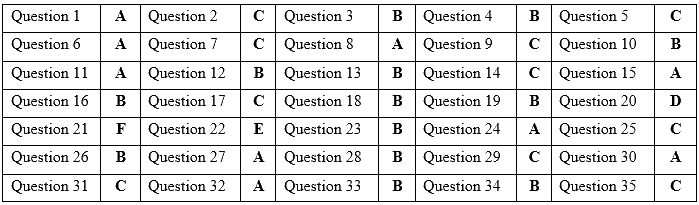
Question 36. I wish that I could speak English fluently.
Question 37. The temple which we visited two weeks ago was built in the 14th century.
Question 38. Cats have been domesticated for thousands of years.
Question 39. If the weather were not too bad/the weather were better today, the children could go camping.
Question 40. Dr. Cameron advised Mr.Black to cut down on his smoking and attend a yoga class.
HƯỚNG DẪN GIẢI CHI TIẾT
Question 1. A
Kiến thức: To V/ V-ing
Giải thích:
Would you mind + V-ing…?: Bạn có phiền khi làm gì không?
Tạm dịch: “Cô có phiền khi giải thích lại câu 5 không, cô Thomson?” cậu bé nói.
Chọn A
Question 2. C
Kiến thức: Câu điều kiện loại 1
Giải thích:
Câu điều kiện loại 1 diễn tả điều kiện có thật ở hiện tại dẫn đến kết quả có thật ở hiện tại.
Công thức: If + S + V(s, es), S + will + V (nguyên thể)
Tạm dịch: Nếu người đàn ông đó không lái xe cẩn thận, anh ta sẽ gây ra tai nạn.
Chọn C
Question 3. B
Kiến thức: Quá khứ đơn, thì quá khứ tiếp diễn
Giải thích:
Nếu có một hành động đang diễn ra thì một hành động khác xen vào thì:
- Hành động đang diễn ra chia thì quá khứ tiếp diễn.
- Hành động xen vào chia thì quá khứ đơn.
Tạm dịch: Khi Tom đến văn phòng ngày hôm qua, thì mọi người đang làm việc.
Chọn B
Question 4. B
Kiến thức: Câu hỏi đuôi
Giải thích:
Vế trước là “Let’s…” => câu hỏi đuôi là “shall we?”
Tạm dịch: “Hãy ra ngoài uống cà phê tối nay đi, được không?” Kate hỏi bạn của cô ấy.
Chọn B
Question 5. C
Kiến thức: Đại từ quan hệ
Giải thích:
“whose + N” => thay thế cho các tử chỉ sự sở hữu
“which + V / S + V” => thay thế cho danh từ chỉ vật, làm chủ ngữ hoặc tân ngữ
“whom + S + V” => thay thế cho danh từ chỉ người, làm tân ngữ,
“The woman” là danh từ chỉ người, sau vị trí cần điền có một mệnh đề => dùng “whom”
Tạm dịch: Người phụ nữ mà John đã gặp ở nhà ga xe lửa tối qua, là một nhà văn nổi tiếng.
Chọn C
Question 6. A
Kiến thức: Cụm động từ
Giải thích:
switch off something: tắt cái gì
Tạm dịch: “Hãy chắc chắn tắt toàn bộ đèn khi bạn đi ra ngoài để tiết kiệm năng lượng,” thông báo cho biết.
Chọn A
Question 7. C
Kiến thức: Liên từ
Giải thích:
despite + cụm danh từ/ V-ing: mặc dù
in spite of + cụm danh từ/ V-ing: mặc dù
though + S + V: mặc dù
Tạm dịch: Mary đã quyết định đi bộ về nhà một mình, mặc dù cô ấy biết việc này rất nguy hiểm.
Chọn C
Question 8. A
Kiến thức: Từ loại
Giải thích:
Dấu hiệu: tobe + more + _____ + than => so sánh hơn của tính từ dài
convenient (adj): tiện lợi, thuận lợi
conveniently (adv): một cách tiện lợi
convenience (n): sự tiện lợi
Tạm dịch: Tôi nghĩ rằng xe đạp thường tiện lợi hơn ô tô trong các thị trấn.
Chọn A
Question 9. C
Kiến thức: Từ vựng
Giải thích:
be bored + with/ of something: chán với cái gì
be excited + about something: hào hứng về cái gì
be interested + in something: quan tâm/ thích thú cái gì
Tạm dịch: Có vẻ như Peter không thích nhạc pop.
Chọn C
Question 10. B
Kiến thức: Giới từ
Giải thích: “on” + ngày trong tuần
Tạm dịch: Hiệu sách gần trường chúng tôi đóng cửa vào ngày Chủ nhật.
Chọn B
Question 11. A
Kiến thức: Ngôn ngữ giao tiếp
Giải thích:
Ông Brown: “Bà khỏe không, bà Adamson?”
Bà Adamson: “________”
A. Tôi khỏe, cảm ơn ông!
B. Vâng, dĩ nhiên rồi!
C. Tôi 45 tuổi.
Các phản hồi B, C không phù hợp với ngữ cảnh.
Chọn A
Question 12. B
Kiến thức: Ngôn ngữ giao tiếp
Giải thích:
Catherine: “Cảm ơn cậu về món quà xinh xắn nhé, David!”
David: “________”
A. Thực ra, tớ không thích nó.
B. Không có gì đâu.
C. Bạn có biết nó tốn bao nhiêu tiền không?
Các phản hồi A, C không phù hợp với ngữ cảnh.
Chọn B
Question 13. B
Kiến thức: Ngôn ngữ giao tiếp
Giải thích:
Bạn nam: “Tớ sẽ có bài kiểm tra tiếng Anh ngày mai.”
Bạn nữ: “________”
A. Chúc mừng!
B. Chúc may mắn!
C. Đừng nhắc đến nó!
Các phản hồi A, C không phù hợp với ngữ cảnh.
Chọn B
Question 14. C
Kiến thức: Ngôn ngữ giao tiếp
Giải thích:
Henry: “Cuối tuần vui vẻ nhé, Lily!”
Lily: “________”
A. Thật kinh khủng!
B. Cậu thật đáng xấu hổ!
C. Cậu cũng thế nhé!
Các phản hồi A, B không phù hợp với ngữ cảnh.
Chọn C
Question 15. A
Kiến thức: Ngôn ngữ giao tiếp
Giải thích:
Cathy: “Kì nghỉ hè của bạn thế nào hả Jane?”
Jane: “________”
A. Chà, nó tuyệt lắm.
B. Tớ đã mua nó cho bố tớ.
C. Tớ đã đến Paris.
Các phản hồi B, C không phù hợp với ngữ cảnh.
Chọn A
Question 16. B
Kiến thức: Câu tường thuật
Giải thích:
Dấu hiệu: “the following day” => câu trực tiếp ở thì tương lai đơn
“will” lùi thành “would”
Sửa: will attend => would attend
Tạm dịch: Cô giáo đã nói rằng cô ấy sẽ tham dự buổi họp lớp của chúng tôi vào ngày hôm sau.
Chọn B
Question 17. C
Kiến thức: Từ loại
Giải thích:
Sau động từ “read” cần có một trạng từ
careful (adj): cẩn thận
carefully (adv): một cách cẩn thận
Sửa: careful => carefully
Tạm dịch: Bạn hãy nhớ đọc hướng dẫn cẩn thận trước khi sử dụng cái máy này.
Chọn C
Question 18. B
Kiến thức: Liên từ
Giải thích:
because of + cụm danh từ/ V-ing: bởi vì
because + S + V: bởi vì
“I stayed up late” là một mệnh đề (S + V)
Sửa: because of => because
Tạm dịch: Bây giờ tôi rất mệt mỏi bởi vì tôi đã thức khuya để xem ti vi tối qua.
Chọn B
Question 19. B
Kiến thức: Cấu trúc với “enough”
Giải thích:
Cấu trúc: S + be + adj + enough + (for somebody) + to V (nguyên thể)
intelligent (adj): thông minh => đứng trước “enough”
Sửa: enough intelligent => intelligent enough
Tạm dịch: Rõ ràng là anh ta không đủ thông minh để nhận thấy phản ứng của cô ấy với vấn đề này.
Chọn B
Question 20. D
Kiến thức: Câu bị động
Giải thích:
Công thức: S + was/ were + V_ed/PP
Sửa: destroying => destroyed
Tạm dịch: Ngọn lửa quá khủng khiếp đến nỗi ngôi làng đã hoàn toàn bị phá hủy.
Chọn D
Question 21. F
Kiến thức: Đọc hiểu
Giải thích: F. Chúng tôi không nhận ngân phiếu hoặc thẻ tín dụng của khách du lịch
Tạm dịch: Bạn nên trả bằng tiền mặt ở đây.
Chọn F
Question 22. E
Kiến thức: Đọc hiểu
Giải thích: E. Nguy hiểm! Trẻ em cần tránh xa
Tạm dịch: Người lớn không nên để trẻ em chơi với nó.
Chọn E
Question 23. B
Kiến thức: Đọc hiểu
Giải thích: B. Không có chuyến tàu nào hôm nay bởi vì gió mạnh
Tạm dịch: Bạn không thể đi bằng tàu hỏa hôm nay.
Chọn B
Question 24. A
Kiến thức: Đọc hiểu
Giải thích: A. Nhận được vé rẻ hơn với thẻ tàu gia đình
Tạm dịch: Trẻ em và bố mẹ đi lại ít tốn kém hơn với cái này.
Chọn A
Question 25. C
Kiến thức: Đọc hiểu
Giải thích: C. BẢO TÀNG NGHỆ THUẬT HIỆN ĐẠI – Trẻ em vào cửa miễn phí
Tạm dịch: Chỉ có người lớn phải trả tiền để vào đây.
Chọn C
Question 26. B
Kiến thức: Từ nối
Giải thích:
A. two: hai => số đếm, chỉ số lượng
B. second (adv): thứ hai (từ nối, dùng để liệt kê ý tiếp theo)
C. twice (adv): hai lần => chỉ tần suất
First, there are programs for doing math problems. Second, there are programs for scientific studies. Third, some programs are like fancy typewriters.
Tạm dịch: Đầu tiên là các chương trình giải toán. Thứ hai là các chương trình phục vụ mục đích nghiên cứu khoa học. Thứ ba là một vài chương trình giống như những máy đánh chữ đặc biệt.
Chọn B
Question 27. A
Kiến thức: Từ vựng
Giải thích:
A. programs (n): chương trình
B. people (n): mọi người
C. students (n): học sinh
Other programs are made for courses in schools and universities.
Tạm dịch: Các chương trình khác được tạo ra cho các khóa học ở các trường và đại học.
Chọn A
Question 28. B
Kiến thức: Cấu trúc với “there”
Giải thích:
Cấu trúc: There + tobe + N … : Có cái gì đó…
reasons => danh từ số nhiều => tobe chia “are”
There are many wonderful new computer programs, but there are other reasons to like computers.
Tạm dịch: Có nhiều các chương trình máy tính mới tuyệt vời, nhưng có những lí do khác để chúng ta yêu thích máy tính.
Chọn B
Question 29. C
Kiến thức: Liên từ
Giải thích:
A. why: tại sao
B. what: cái gì
C. when: khi
Some people like the way computers hum and sing when they are working.
Tạm dịch: Một vài người thích việc những cái máy tính kêu khi chúng đang hoạt động.
Chọn C
Question 30. A
Kiến thức: To V / V_ing
Giải thích:
Cấu trúc: It + be + adj + to V (nguyên thể): Thật là làm sao cho ai đó để làm gì
It is interesting to think that they are like people.
Tạm dịch: Thật thú vị khi nghĩ rằng chúng thích con người.
Chọn A
Dịch bài đọc:
Ngày nay, các công ty máy tính bán rất nhiều các chương trình khác nhau dành cho máy tính. Đầu tiên là các chương trình giải toán. Thứ hai là các chương trình phục vụ mục đích nghiên cứu khoa học. Thứ ba là một vài chương trình giống như những máy đánh chữ đặc biệt. Chúng thường được dùng bởi những nhà văn và những thương gia. Các chương trình khác được tạo ra cho các khóa học ở các trường và đại học. Cuối cùng là các chương trình dành cho việc giải trí. Chúng bao gồm các trò chơi về từ vựng và trò ghép hình cho trẻ em và người lớn.
Có nhiều các chương trình máy tính mới tuyệt vời, nhưng có những lí do khác để chúng ta yêu thích máy tính. Một vài người thích việc những cái máy tính kêu khi chúng đang hoạt động. Nó là một âm thanh vui vẻ, cứ như là những âm thanh của đồ chơi và tuổi thơ. Máy tính cũng có ánh sáng màu sắc và những hình ảnh đẹp đẽ. Ngoài ra, máy tính dường như có cả tính cách nữa. Nghe có vẻ kì lạ, nhưng máy tính dường như cũng có cảm xúc. Thỉnh thoảng chúng rất vui, thỉnh thoảng chúng lại tức giận. Thật thú vị khi nghĩ rằng chúng thích con người.
Question 31. C
Kiến thức: Đọc hiểu
Giải thích:
Từ “that” trong đoạn một đề cập đến ______.
A. chỗ sâu răng
B. vết nứt
C. men răng
Thông tin: The decay begins in a little crack in the enamel that covers the tooth.
Tạm dịch: Sâu răng bắt đầu từ một vết nứt nhỏ trong men răng, cái mà bao phủ bề mặt răng.
Chọn C
Question 32. A
Kiến thức: Đọc hiểu
Giải thích:
Đoạn thứ hai chủ yếu nói về ______.
A. chúng ta có thể giữ răng khỏe như thế nào
B. chúng ta nên gặp bác sĩ nha khoa khi nào
C. chúng ta nên ăn gì để sống khỏe mạnh
Thông tin: How can we keep our teeth healthy?
Tạm dịch: Làm thế nào chúng ta có thể giữ hàm răng chắc khỏe?
Chọn A
Question 33. B
Kiến thức: Đọc hiểu
Giải thích:
Từ “Unfortunately” trong đoạn hai gần nghĩa nhất với từ ______.
A. không thoải mái
B. không may mắn
C. không chắc chắn
Thông tin: Unfortunately, many people wait until they have toothache before they see their dentist.
Tạm dịch: Không may là nhiều người đợi cho đến tận khi họ bị đau răng mới đi gặp nha sĩ.
Chọn B
Question 34. B
Kiến thức: Đọc hiểu
Giải thích:
Toàn bộ những thứ dưới đây đều tốt cho răng và cơ thể của chúng ta ngoại trừ ______.
A. bánh mì nâu
B. sô-cô-la
C. gạo huyết rồng
Thông tin: However, chocolate, sweets, biscuits and cakes are bad, especially when we eat them between meals.
Tạm dịch: Tuy nhiên, sô-cô-la, kẹo, bánh quy và bánh ngọt thì không tốt, đặc biệt khi chúng ta ăn chúng giữa các bữa ăn.
Chọn B
Question 35. C
Kiến thức: Đọc hiểu
Giải thích:
Theo như đoạn văn, câu nào sau đây không đúng?
A. Hàm răng khỏe mạnh giúp chúng ta trông đẹp hơn.
B. Chúng ta nên đánh răng ít nhất hai lần một ngày.
C. Chúng ta nên ăn sô-cô-la, kẹo, bánh quy và bánh ngọt giữa các bữa ăn.
Thông tin: However, chocolate, sweets, biscuits and cakes are bad, especially when we eat them between meals.
Tạm dịch: Tuy nhiên, sô-cô-la, kẹo, bánh quy và bánh ngọt thì không tốt, đặc biệt khi chúng ta ăn chúng giữa các bữa ăn.
Chọn C
Dịch bài đọc:
Có một hàm răng khỏe mạnh rất quan trọng. Hàm răng khỏe giúp chúng ta nhai đồ ăn. Chúng cũng giúp chúng ta trông đẹp hơn. Làm thế nào mà một chiếc răng dần trở nên không khỏe? Sâu răng bắt đầu từ một vết nứt nhỏ trong men răng, cái mà bao phủ bề mặt răng. Điều này xảy ra sau khi vi khuẩn và một ít thức ăn tập trung ở chỗ nứt. Sau đó chỗ sâu răng lan rộng chầm chậm bên trong răng. Cuối cùng, chất độc đi vào máu, và chúng ta có thể cảm thấy ốm.
Chúng ta có thể giữ răng chắc khỏe như thế nào? Đầu tiên, chúng ta nên gặp nha sĩ hai lần một năm. Nha sĩ có thể lấp đầy những lỗ nhỏ trên răng trước khi chúng phá hủy hàm răng. Ông ta có thể kiểm tra hàm răng của chúng ta xem chúng có đang phát triển đúng hướng. Không may là nhiều người đợi cho đến tận khi họ bị đau răng mới đi gặp nha sĩ. Thứ hai, chúng ta nên đánh răng ít nhất hai lần một ngày – một lần sau bữa ăn sáng và một lần trước khi chúng ta đi ngủ. Chúng ta cũng có thể sử dụng tăm tre để làm sạch răng mỗi bữa ăn. Thứ ba, chúng ta nên ăn thực phẩm tốt cho răng và cơ thể của chúng ta: sữa, phô mai, bánh mì nâu, khoai tây, gạo huyết rồng, rau tươi và hoa quả tươi. Tuy nhiên, sô-cô-la, kẹo, bánh quy và bánh ngọt thì không tốt, đặc biệt khi chúng ta ăn chúng giữa các bữa ăn. Chúng có hại bởi vì chúng dính vào răng của chúng ta và gây ra sâu răng.
Question 36.
Kiến thức: Câu ước
Giải thích:
Câu ước ở tương lai: S + wish + (that) + S + could + V (nguyên thể)
Tạm dịch: Thật đáng tiếc! Tôi không thể nói tiếng anh trôi chảy.
= Tôi ước tôi có thể nói tiếng anh trôi chảy.
Đáp án: I wish that I could speak English fluently.
Question 37.
Kiến thức: Mệnh đề quan hệ
Giải thích:
Dùng đại từ quan hệ “which” để thay thế cho danh từ chỉ vật (the temple)
which + S + V: cái mà ….
Tạm dịch: Ngôi đền được xây dựng vào thế kỷ 14. Chúng tôi đã tới thăm hai tuần trước.
= Ngôi đền chúng tôi đã tới thăm hai tuần trước được xây dựng vào thế kỷ 14.
Đáp án: The temple which we visited two weeks ago was built in the 14th century.
Question 38.
Kiến thức: Câu bị động
Giải thích:
Câu bị động ở thì hiện tại hoàn thành: S + have/ has + been + V_ed/PP
‘cats” => danh từ số nhiều => “have”
Tạm dịch: Con người đã thuần hóa mèo được hàng ngàn năm rồi.
= Mèo đã được thuần hóa trong hàng ngàn năm rồi.
Đáp án: Cats have been domesticated for thousands of years.
Question 39.
Kiến thức: Câu điều kiện loại 2
Giải thích:
Câu điều kiện loại 2 diễn tả một điều kiện trái với hiện tại, dẫn đến một kết quả trái với hiện tại.
Cấu trúc: If + S + V-ed/ V2, S + could + V (nguyên thể)
Tạm dịch: Trẻ em không thể đi cắm trại bởi vì thời tiết rất xấu ngày hôm nay.
= Nếu thời tiết không quá xấu ngày hôm nay, trẻ em có thể đi cắm trại.
= Nếu thời tiết tốt hơn ngày hôm nay, trẻ em có thể đi cắm trại.
Đáp án: If the weather were not too bad, the children could go camping.
Hoặc: If the weather were better today, the children could go camping.
Question 40.
Kiến thức: Câu tường thuật
Giải thích:
Cấu trúc câu tường thuật với “advise”: S + advised + somebody + to V (nguyên thể): khuyên ai đó làm gì
Tạm dịch: “Nếu tôi là ông, ông Black, tôi sẽ giảm hút thuốc và tham gia lớp yoga,” Bác sĩ Cameron nói.
= Bác sĩ Cameron đã khuyên ông Black giảm hút thuốc và tham gia lớp yoga.
Đáp án: Dr. Cameron advised Mr.Black to cut down on his smoking and attend a yoga class.
_______HẾT_______
Đề thi vào 10 môn Anh Hải Dương năm 2019
Đề bài
A. GRAMMAR - VOCABULARY- LANGUAGE FUNCTIONS
I. Choose the word, phrase or expression that best completes each sentence below. (3.0 points)
Question 1. Paper money ____________ in Vietnam for a very long time.
A. has been used
B. is used
C. has used
Question 2. He hasn't found the book ____________ I gave him yesterday.
A. who
B. which
C. what
Question 3. There is too much traffic in this city. ____________, the air is polluted.
A. Although
B. Therefore
C. Because
Question 4. I suggest that he ____________more efforts in his work.
A. makes
B. making
C. should make
Question 5. Mr. Jones enjoys ____________ the Internet in his free time.
A. to surf
B. surfing
C. surf
Question 6. I have waited for him for over half an hour but he hasn't turned ____________ yet.
A. up
B. down
C. over
Question 7. Many people share the opinion that Mother Day should be celebrated___________.
A. nationwide
B. national
C. nationality
Question 8. I don't bring enough money with me. I wish I ___________ enough to buy this book.
A. bring
B. can bring
C. brought
Question 9. The program I watched on TV last night was so _____ that I fell asleep halfway through it.
A. bored
B. boring
C. bore
Question 10. I can never make up stories because I have absolutely no ______________.
A. imagined
B. imaginary
C. imagination
Question 11. Mary: "______________________?" - Tom: "Tall and thin with blue eyes".
A. How is your new English teacher doing?
B. What does your new English teacher look like?
C. How does your new English teacher look like?
Question 12. John: "Shall we go out to choose a birthday gift for Mary?"
Tom: "_________________"
A. Great idea!
B. There's no doubt about it.
C. Yes, please do.
Question 13. Harry: "What a terrific hairstyle!"
Daisy: "_______________ "
A. Thank you.
B. Why don't you like it?
C. My pleasure.
Question 14. Mai: "Could you please do me a favor?” - Hanh: " ____________"
A. No, thanks.
B. Sure. What can I do for you?
C. Yes, go ahead.
Question 15. Thanh: "Would you like to go camping with me next Sunday?" - Mai: "_______"
A. Yes, please
B. Yes, I'd love to
C. Yes, I would
II. Choose the underlined word or phrase in each sentence below that needs correcting. (1.0 point)
Question 16. The teacher, together with 30 students, are going to attend a party this Saturday evening.
A. with
B. are
C. attend
D. this
Question 17. Mr. Lam, whom gave a lecture at our university last week, is a famous physicist.
A. whom
B. gave
C. at
D. a
Question 18. I used to stayed with my grandparents on a farm when I was a child.
A. stayed
B. with
C. on
D. was
Question 19. Ha Noi has long been the economic, cultural and history center of Vietnam.
A. has long been
B. economic
C. history
D. of
Question 20. Nam asked his friends whether they can give him a hand with his work.
A. whether
B. can
C. a hand
D. with
READING
1. Which notice (A-F) says this (21-25). (1.0 point)
|
21. You can't borrow books in the evening. |
A. CASH ONLY |
|
22. Tickets are sold only on the train today. |
B. KEEP YOUR VOICE DOWN |
|
23. You should not talk too loudly here. |
C. CHILDREN UNDER 12 MUST BE ACCOMPANIED BY ADULTS |
|
24. We do not accept cheques or credit cards. |
D. LIBRARY: OPEN DAILY: 7 A.M-5 P.M |
|
25. What you need to buy is unavailable here. |
E. TICKET OFFICE CLOSED, BUY YOUR TICKET ON THE TRAIN |
|
|
F. SOLD OUT |
II. Read the passage and choose the best option A, B or C to fill in each blank. (1.0 point)
It might sound strange to you but these are some important rules. If you want to pass examinations, then study grammar. ____________ (26), if you want to become fluent in English, try to learn English without studying too much grammar because that will only ____________ (27) you down and confuse you.
You will think about rules when creating sentences ____________ (28) than speaking naturally like a native speaker. Some native speakers do not know so many grammatical rules as non-native students.
Everyone can speak at least one language whether they are intelligent or lack some brain power. This could be achieved by being surrounded by that language at all times. You may notice that there are also some people ____________ (29) study abroad and learn very little. That is because they go to an English speaking school, but find friends from their own country and don't practice English. Some others can speak English well ____________ (30) they live in an English speaking environment.
Question 26.
A. Therefore
B. However
C. Although
Question 27.
A. slow
B. make
C. get
Question 28.
A. more
B. better
C. rather
Question 29.
A. who
B. what
C. which
Question 30.
A. but
B. because
C. so
III. Read the passage carefully and choose the best option to answer each of the following questions below. (1.0 point).
Education in England
Every child in England between the age of five and fifteen must attend schools. There are three main types of educational institutions, primary (elementary) schools, secondary schools, and universities
Like most countries in the world, there are two types of schools in England, independent schools (fee-paying schools) and state schools in which students do not have to pay tuition fees. In both types, attendance is compulsory. Morning classes begin at nine o’clock and last until half past four in the afternoon. After classes, most English children often stay at school and take part in extracurricular activities like sports, singing and dancing. Schools are open five days a week. On Saturdays and Sundays there are no lessons. There are holidays at Christmas, Easter and in summer. In London as in all cities there are two grades of schools for those who will go to work at fifteen: primary schools for boys and girls between the ages of five and eleven, and secondary schools for children from eleven to fifteen.
Besides such compulsory lessons as reading, writing, the English language, English literature, English history, geography, science, and nature study, children in England can take many optional subjects like drawing, painting, singing, or woodwork to develop their aptitudes.
Question 31. What does the passage mainly discuss?
A. Entertainment for children in England
B. Education in England
C. State schools in England
Question 32. The writer mentions all of the following types of educational institutions EXCEPT________.
A. primary schools
B. secondary schools
C. kindergartens
Question 33. "Sports" is mentioned in the reading passage as _____.
A. a compulsory lesson
B. an extracurricular activity
C. an optional subject
Question 34. Which types of schools do 14-year-old children often attend?
A. primary schools
B. universities
C. secondary schools
Question 35. The word "optional" in paragraph 3 is CLOSEST in meaning to _________.
A. not required
B. not free
C. unintentional
C. WRITING
I. Finish each the following sentences in such a way that it means the same as the sentence printed before it. (1.0 point)
Question 36. I visited many places of interest during my stay in Da Nang.
=> While ____________________________________.
Question 37. "I will go with you on your trip to Ha Long next week" Lan said to Minh
=> Lan said __________________________________.
Question 38. Mr. Ba is too old. That's the reason why he can not continue the work.
=> If _______________________________________.
Question 39. My father has planted some young trees in the back garden.
=> Some young trees __________________________.
Question 40. The number of foreign tourists to Vietnam has greatly increased over the last few years.
=> There has _________________________________.
II. After finishing your exam, you intend to take a holiday to relax. In about 100-120 words, write a letter to one of your friends, telling him/her about your plan. (2.0 points)
You might use the suggestions below:
+ Where you intend to go
+ Who you are going with
+ How long your holiday will last
+ What activities you plan to do
................
Dear Thanh,
................
Love,
Ha Anh
----------------THE END----------------
Đáp án
HƯỚNG DẪN GIẢI CHI TIẾT
Thực hiện: Ban Chuyên môn Loigiaihay.com
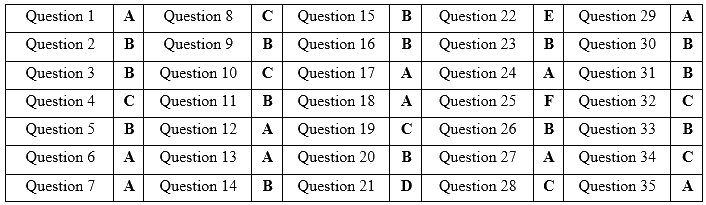
Question 1
Kiến thức: thì hiện tại hoàn thành
Giải thích:
Dấu hiệu: for a very long time => chọn thì hiện tại hòan thành: S + have/has + Vp.p
Cấu trúc bị động của thì hiện tại hoàn thành: S + have/has + been + Vp.p
Tạm dịch: Tiền giấy đã được sử dụng ở Việt Nam trong một thời gian rất dài.
Đáp án: A
Question 2
Kiến thức: đại từ quan hệ
Giải thích:
Ở đây cần một đại từ quan hệ thay thế cho vật (the book), đóng vai trò tân ngữ trong mệnh đề quan hệ => chọn “which”.
Tạm dịch: Anh ấy không tìm thấy cuốn sách mà tôi đã tặng anh ấy hôm qua.
Đáp án: B
Question 3
Kiến thức: từ vựng
Giải thích:
Although: mặc dù
Therefore: vì vậy
Because: bởi vì
Tạm dịch: Có quá nhiều phương tiện giao thông trong thành phố này. Do đó, không khí bị ô nhiễm.
Đáp án: B
Question 4
Kiến thức: cấu trúc đề nghị
Giải thích:
Cấu trúc: S1 + suggest + that + S2 + (should) + V.inf
Tạm dịch: Tôi đề nghị anh ấy nên nỗ lực nhiều hơn trong công việc của mình.
Đáp án: C
Question 5
Kiến thức: từ vựng
Giải thích:
(to) enjoy + V.ing: thích làm gì
Tạm dịch: Ông Jones thích lướt Internet trong thời gian rảnh rỗi.
Đáp án: B
Question 6
Kiến thức: cụm động từ
Giải thích:
(to) turn up: xuất hiện
(to) turn down: từ chối
(to) turn over: chuyển giao
Tạm dịch: Tôi đã đợi anh ấy hơn nửa giờ nhưng anh ấy vẫn chưa xuất hiện.
Đáp án: A
Question 7
Kiến thức: từ vựng, từ loại
Giải thích:
nationwide (adv): trên toàn quốc
national (adj): quốc gia
nationality (n): quốc tịch
Ở đây từ cần điền là một trạng từ.
Tạm dịch: Nhiều người có cùng ý kiến rằng Ngày của Mẹ nên được tổ chức trên toàn quốc.
Đáp án: A
Question 8
Kiến thức: cấu trúc ước muốn
Giải thích:
Cấu trúc ước muốn ở hiện tại: S + wish (s,es) + S + V.ed + …
Tạm dịch: Tôi không mang đủ tiền. Tôi ước gì mình có đủ để mua cuốn sách này.
Đáp án: C
Question 9
Kiến thức: từ vựng, từ loại
Giải thích:
bored (adj): chán ( chỉ cảm xúc)
boring (adj): nhàm chán (chỉ tính chất)
bore (v): làm ai đó cảm thấy chán
Ở đây từ cần điền là một tính từ.
Tạm dịch: Chương trình tôi xem trên TV tối qua thật là nhàm chán đến mức tôi ngủ thiếp đi nửa chừng.
Đáp án: B
Question 10
Kiến thức: từ vựng, từ loại
Giải thích:
imagine (v): tưởng tượng
imaginary (adj): tưởng tượng
imagination (n): trí tưởng tượng
Ở đây từ cần điền là một danh từ.
Tạm dịch: Tôi không bao giờ có thể bịa nên những câu chuyện bởi vì tôi hoàn toàn không có trí tưởng tượng.
Đáp án: C
Question 11
Kiến thức: hội thoại giao tiếp
Giải thích: Tom: "Cao, gầy và có đôi mắt màu xanh". => Đây là câu trả lời về ngoại hình.
Cách hỏi về ngoại hình: What + do/does + S + look like?
Tạm dịch: Mary: “Giáo viên tiếng Anh mới của bạn trông như thế nào?”
- Tom: "Thầy ấy cao, gầy và có đôi mắt màu xanh".
Đáp án: B
Question 12
Kiến thức: hội thoại giao tiếp
Tạm dịch: John: "Chúng ta sẽ ra ngoài để chọn một món quà sinh nhật cho Mary nhé?"
A. Ý tưởng hay đấy! (trả lời cho câu đề nghị)
B. Không còn nghi ngờ gì về điều đó.
C. Vâng, làm ơn.
Đáp án: A
Question 13
Kiến thức: hội thoại giao tiếp
Tạm dịch: Harry: "Kiểu tóc của bạn đẹp quá!"
A. Cảm ơn bạn.
B. Tại sao bạn không thích nó?
C. Niềm hân hạnh của mình.
Đáp án: A
Question 14
Kiến thức: hội thoại giao tiếp
Tạm dịch: Mai: "Bạn có thể làm ơn giúp mình không?"
A. Không, cảm ơn.
B. Chắc chắn rồi. Mình có thể làm gì cho bạn?
C. Vâng, tiếp tục.
Đáp án: B
Question 15
Kiến thức: hội thoại giao tiếp
Cách trả lời cho câu hỏi “Would you like …?”: Yes, I’d love to
Tạm dịch: Thanh: "Bạn có muốn đi cắm trại với mình vào Chủ Nhật tới không?"
- Mai: “Có chứ.”
Đáp án: B
Question 16
Kiến thức: sự hòa hợp giữa chủ ngữ và động từ
Giải thích:
Các danh từ nối nhau bằng “together with” thì chia động từ theo danh từ phía trước.
Ở đây, động từ theo sau sẽ chia theo danh từ “teacher” => chia ở dạng số ít.
are => it
Tạm dịch: Giáo viên, cùng với 30 học sinh, sẽ tham dự một bữa tiệc vào tối thứ bảy này.
Đáp án: B
Question 17
Kiến thức: đại từ quan hệ
Giải thích:
Ở đây cần một đại từ quan hệ thay thế cho danh từ chỉ người (Mr. Lam), đóng vai trò chủ ngữ trong mệnh đề quan hệ => chọn “who”.
whom => who
Tạm dịch: Ông Lâm, người đã thuyết trình tại trường đại học của chúng tôi tuần trước, là một nhà vật lý nổi tiếng.
Đáp án: A
Question 18
Kiến thức: cấu trúc “used to”
Giải thích:
used to + V.inf: đã từng làm gì trong quá khứ
stayed => stay
Tạm dịch: Tôi đã từng ở với ông bà của tôi trên một trang trại khi tôi còn là một đứa trẻ.
Đáp án: A
Question 19
Kiến thức: cấu trúc song hành
Giải thích:
Ở đây dùng cấu trúc song hành “economic, cultural and history” nên từ “history” phải được đưa về dạng tính từ.
history => historical
Tạm dịch: Hà Nội từ lâu đã là trung tâm kinh tế, văn hóa và lịch sử của Việt Nam.
Đáp án: C
Question 20
Kiến thức: câu tường thuật
Giải thích:
Cấu trúc câu tường thuật dạng câu hỏi nghi vấn: S + asked + O + if/whether + S + V(lùi thì) + …
can => could
Tạm dịch: Nam hỏi các bạn của mình liệu họ có thể giúp anh ta làm việc không.
Đáp án: B
Question 21
Kiến thức: từ vựng
Tạm dịch: Bạn không thể mượn sách vào buổi tối.
=> LIBRARY: OPEN DAILY: 7 A.M-5P.M (Thư viện: mở cửa hàng ngày từ 7h sáng đến 5h tối.)
Đáp án: D
Question 22
Kiến thức: từ vựng
Tạm dịch: Vé chỉ được bán trên chuyến tàu ngày hôm nay.
=> TICKET OFFICE CLOSED, BUY YOUR TICKET ON THE TRAIN
(Phòng bán vé đóng cửa, mua vé trên tàu.)
Đáp án: E
Question 23
Kiến thức: từ vựng
Tạm dịch: Bạn không nên nói quá to ở đây.
=> KEEP YOUR VOICE DOWN
Đáp án: B
Question 24
Kiến thức: từ vựng
Tạm dịch: Chúng tôi không chấp nhận séc hoặc thẻ tín dụng.
=> CASH ONLY (Chỉ thanh toán bằng tiền mặt.)
Đáp án: A
Question 25
Kiến thức: từ vựng
Tạm dịch: Những gì bạn cần mua không có ở đây.
=> SOLD OUT (Hết hàng.)
Đáp án: F
Question 26
Kiến thức: từ vựng
Giải thích:
Therefore: vì vậy
However: tuy nhiên
Although: mặc dù
Đáp án: B
Question 27
Kiến thức: cụm động từ
Giải thích:
slow something/somebody down: làm ai chậm lại
get somebody down: làm ai buồn, thất vọng
Đáp án: A
Question 28
Kiến thức: từ vựng
Giải thích:
rather than: thay vì
Đáp án: C
Question 29
Kiến thức: đại từ quan hệ
Giải thích:
Ở đây cần một đại từ quan hệ thay thế cho người, đóng vai trog chủ ngữ trong mệnh đề quan hệ => chọn “who”.
Đáp án: A
Question 30
Kiến thức: từ vựng
Giải thích:
but: nhưng
because: bởi vì
so: vì vậy
Đáp án: B
Dịch bài đọc:
Nghe có vẻ lạ với bạn nhưng đây là một số quy tắc quan trọng. Nếu bạn muốn vượt qua kỳ thi, thì hãy học ngữ pháp. Tuy nhiên, nếu bạn muốn thông thạo tiếng Anh, hãy cố gắng học tiếng Anh mà không cần học quá nhiều ngữ pháp vì điều đó sẽ chỉ làm chậm bạn và làm bạn bối rối.
Bạn sẽ suy nghĩ về các quy tắc khi tạo câu thay vì nói tự nhiên như người bản xứ. Một số người bản xứ không biết nhiều quy tắc ngữ pháp như những sinh viên không phải là người bản xứ.
Mọi người đều có thể nói ít nhất một ngôn ngữ dù họ thông minh hay thiếu sức mạnh não bộ. Điều này có thể đạt được bằng cách được bao quanh bởi ngôn ngữ đó mọi lúc. Bạn có thể nhận thấy rằng cũng có một số người du học và học rất ít. Đó là bởi vì họ đến một trường học nói tiếng Anh, nhưng tìm bạn bè từ đất nước của họ và không thực hành tiếng Anh. Một số người khác có thể nói tiếng Anh tốt vì họ sống trong môi trường nói tiếng Anh.
Question 31
Kiến thức: đọc hiểu
Tạm dịch: Đoạn văn chủ yếu thảo luận về vấn đề gì?
A. Giải trí cho trẻ em ở Anh
B. Giáo dục ở Anh
C. Các trường công lập ở Anh
Thông tin: Tiêu đề của đoạn văn: “Education in England”.
Đáp án: B
Question 32
Kiến thức: đọc hiểu
Tạm dịch: Nhà văn đề cập đến tất cả các loại cơ sở giáo dục sau đây NGOẠI TRỪ ________.
A. trường tiểu học
B. trường trung học
C. trường mẫu giáo
Thông tin: There are three main types of educational institutions, primary (elementary) schools, secondary schools, and universities.
Đáp án: C
Question 33
Kiến thức: đọc hiểu
Tạm dịch: "Thể thao" được đề cập trong đoạn văn là _____.
A. một tiết học bắt buộc
B. một hoạt động ngoại khóa
C. một chủ đề tùy chọn
Thông tin: After classes, most English children often stay at school and take part in extracurricular activities like sports, singing and dancing.
Đáp án: B
Question 34
Kiến thức: đọc hiểu
Tạm dịch: Những loại trường học nào mà trẻ em 14 tuổi thường đi học?
A. trường tiểu học
B. các trường đại học
C. trường trung học
Thông tin: In London as in all cities there are two grades of schools for those who will go to work at fifteen: primary schools for boys and girls between the ages of five and eleven, and secondary schools for children from eleven to fifteen.
Đáp án: C
Question 35
Kiến thức: đọc hiểu, từ vựng
Giải thích: optional (adj): tùy chọn
not required: không bắt buộc
not free: không miễn phí
unintentional (adj): không cố ý
Đáp án: A
Dịch bài đọc:
Giáo dục ở Anh
Mọi trẻ em ở Anh từ năm đến mười lăm tuổi phải đi học. Có ba loại cơ sở giáo dục chính, trường tiểu học, trường trung học và đại học
Giống như hầu hết các nước trên thế giới, có hai loại trường học ở Anh, các trường tư lập (các trường trả học phí) và các trường công lập mà học sinh không phải trả học phí. Trong cả hai loại, đến trường là bắt buộc. Các lớp học buổi sáng bắt đầu lúc chín giờ và kéo dài đến bốn giờ rưỡi chiều. Sau giờ học, hầu hết trẻ em ở Anh thường ở lại trường và tham gia vào các hoạt động ngoại khóa như thể thao, ca hát và nhảy múa. Trường học mở cửa năm ngày một tuần. Không có lớp học vào các ngày thứ Bảy và Chủ Nhật. Có những kỳ nghỉ vào dịp Giáng sinh, Phục sinh và vào mùa hè. Ở London cũng như ở tất cả các thành phố, có hai cấp lớp dành cho những người sẽ đi làm lúc mười lăm tuổi: các trường tiểu học dành cho nam và nữ trong độ tuổi từ năm đến mười một, và trường trung học dành cho trẻ em trong độ tuổi từ mười một đến mười lăm.
Bên cạnh những tiết học bắt buộc như đọc, viết, tiếng Anh, văn học Anh, lịch sử tiếng Anh, địa lý, khoa học và nghiên cứu thiên nhiên, trẻ em ở Anh có thể học nhiều môn tùy chọn như vẽ, hát hoặc làm mộc để phát triển năng khiếu của mình.
Question 36
Kiến thức: từ vựng
Giải thích:
While + S + V: trong khi
Tạm dịch: Trong khi tôi ở Đà Nẵng, tôi đã đến thăm nhiều thắng cảnh.
Đáp án: While I stayed in Da Nang, I visited many places of interest.
Question 37
Kiến thức: câu tường thuật
Giải thích: Cấu trúc: S + said + that + S + V(lùi thì) + …
- Thay đổi tân ngữ, tính từ sở hữu: you => Minh, your => his
- Thay đổi về thì: will V => would V
- Thay đổi trạng từ: next week => the following week/ the next week
Tạm dịch: Lan cho biết cô sẽ đi cùng với Minh trong chuyến đi đến Hạ Long vào tuần sau.
Đáp án: Lan said she would go with Minh on his trip to Ha Long the following week.
Question 38
Kiến thức: câu điều kiện
Giải thích: Câu điều kiện loại 2 diễn tả giả định không có thật ở hiện tại.
Cấu trúc: If + S + V(quá khứ đơn), S + would + V.inf
Tạm dịch: Nếu ông Ba không quá nhiều tuổi, ông sẽ tiếp tục công việc.
Đáp án: If Mr. Ba were not too old, he would continue the work.
Question 39
Kiến thức: câu bị động
Giải thích:
Cấu trúc bị động ở thì hiện tại hoàn thành: S + have/has + been + Vp.p + by + O.
Tạm dịch: Một số cây non đã được cha tôi trồng trong vườn sau.
Đáp án: Some young trees have been planted in the back garden by my father.
Question 40
Kiến thức: từ vựng
Giải thích:
greatly increase: tăng mạnh
=> a great increase: sự tăng mạnh
Tạm dịch: Đã có sự gia tăng lớn về số lượng khách du lịch nước ngoài đến Việt Nam trong vài năm qua.
Đáp án: There has been a great increase in the number of foreign tourists to Vietnam over the last few years.
Bài tham khảo:
Dear Thanh,
I have received your letter and I feel so glad when knowing that you had passed your examinations with good marks. And now, I would like to tell you my plan of taking a holiday this summer.
This summer, I intend to go on a 5-day holiday in Nha Trang, a coastal city and capital of Khanh Hoa Province, on the South Central Coast of Vietnam. I am going there with some of my friends who I used to told you, Lan and Hoa. We plan to visit interesting places in the city such as Palace of Emperor Bao Dai, Oceanographic Institute, Fairy Stream, Hon Chong Rocks... Also, we will swim as well as sunbathe on beautiful and pristine beaches with fine and clean sand. We are looking forward to our wonderful holiday!
How about your plan in this summer? I am really excited to hear about it.
Love,
Ha Anh
Dịch bài:
Thanh thân mến,
Mình đã nhận được thư của bạn và mình cảm thấy rất vui khi biết rằng bạn đã vượt qua kỳ thi với điểm số rất cao. Và bây giờ, mình muốn nói với bạn về kế hoạch của mình cho kỳ nghỉ vào mùa hè này.
Mùa hè này, mình dự định sẽ đi nghỉ 5 ngày ở Nha Trang, một thành phố ven biển và trung tâm của tỉnh Khánh Hòa, trên bờ biển Nam Trung Bộ của Việt Nam. Mình sẽ đến đó với một số người bạn, người mà mình đã từng kể với bạn, Lan và Hoa. Chúng mình dự định đến thăm những địa điểm thú vị trong thành phố như Cung điện Hoàng đế Bảo Đại, Viện Hải dương học, Suối Tiên, Hòn Chồng Đá ... Ngoài ra, chúng mình sẽ bơi lội và tắm nắng trên những bãi biển đẹp và hoang sơ với những bãi cát trắng mịn . Chúng mình rất mong chờ kỳ nghỉ tuyệt vời này!
Bạn có kế hoạch gì cho mùa hè này chưa? Mình rất vui khi được nghe về nó.
Thương mến,
Hà Anh
Luyện trắc nghiệm Toán lớp 1 Lớp LOP9
Học đi đôi với hành! Làm ngay các bộ đề trắc nghiệm chấm điểm tức thì, có đáp án chi tiết giúp ghi nhớ kiến thức sâu và chuẩn bị tốt cho các bài kiểm tra.
Học tập & ôn luyện trên ứng dụng Tri Thức Hub
Tải ứng dụng Tri Thức Hub trên điện thoại hoặc máy tính bảng (hỗ trợ Android & iOS) để làm bài kiểm tra, luyện tập và lưu tiến độ học tập!