
Đề thi vào 10 môn Anh Nghệ An
Đề thi vào 10 môn Anh Nghệ An năm 2026
Đề bài
Mark the letter A, B, Cor D on your answer sheet to indicate the word that is CLOSEST in meaning to the underlined word in the following sentence.
Question 1: Eating plenty of fresh fruit and vegetables is essential for maintaining a healthy body.
A. necessary
B. ordinary
C. expensive
D. pleasant
Mark the letter A, B, Cor D on your answer sheet to indicate the best answer to each of the following questions.
Question 2: Please make sure your seatbelt is fastened securely and your tray table is stored before the plane _________.
A. turns up
B. goes of
C. takes off
D. gets on
Question 3: She suggested ________ the homeless in the neighborhood.
A. helping
B. help
C. helped
D. to help
Question 4: Joining English clubs helps students ________ confidence when speaking in public.
A. make
B. take
C. do
D. gain
Question 5: While we ________ the historical site, it started to rain heavily
A. visited
B. were visiting
C. are visiting
D. have visited
Question 6: The local government has decided to ________ the ancient castle because several parts of it have been damaged.
A. discover
B. restore
C. replace
D. decorate
Question 7: ________ you revise your lessons carefully, you won't pass the entrance exam.
A. Unless
B. When
C. If
D. Because
Question 8: The student ________ painting won the first prize in the art competition is my cousin.
A. whose
B. who
C. whom
D. that
Question 9: Foreign visitors were deeply impressed by the ________ of the Vietnamese people.
A. friend
B. unfriendly
C. friendliness
D. friendly
Read the following passage and mark the letter A, B, C or D on your answer sheet to indicate the correct answer to each of the questions from 10 to 15.
Teenagers and Screen Time
In today's digital age, screen time has become a common and unavoidable part of teenagers' daily lives. Students use smartphones, tablets, and computers for various purposes, such as to study, communicate with friends, watch videos, and play interactive games. These activities can certainly be useful when they help students find educational information quickly or practise English through songs, films, and learning apps. The internet allows young people to easily explore the world from the comfort of their own homes.
However, too much screen time may cause several serious problems. Students who spend many hours online may have less time for homework, physical exercise, and face-to-face communication with their family members and friends. Furthermore, staring at screens for a long time can lead to physical issues like eye strain or headaches. Most importantly, using digital devices late at night can also make it harder for them to sleep well because the artificial light from screens keeps the brain awake. As a result, they may feel tired and find it difficult to concentrate at school the next day.
To use technology in a healthier way, teenagers should set clear limits on their screen time. For instance, they can take short breaks every hour to rest their eyes, strictly avoid using phones before bedtime, and spend more time on outdoor activities like playing sports or walking in the park. Parents can also help by establishing screen-free rules during family meals. Ultimately, technology is undeniably helpful, but it should be used wisely and in balance with other important parts of life.
(Adapted from Raising Children Network, "Teenage screen time: tips for balance".)
Question 10: What is the main idea of the passage?
A. The main reasons why teenagers should stop studying online.
B. The history and development of modern digital learning devices.
C. The benefits and problems of screen time for teenagers.
D. The strategies to design effective educational apps for students.
Question 11: According to paragraph 1, teenagers can use digital devices to _______.
A. replace their teachers
B. communicate with friends
C. avoid all school subjects
D. sleep better at night
Question 12: The word “they” in paragraph 2 refers to _______.
A. digital devices
B. many hours
C. students
D. problems
Question 13: What may happen if students use digital devices late at night?
A. They may concentrate better at school.
B. They may sleep less well.
C. They may exercise more often.
D. They may finish homework earlier.
Question 14: The word "wisely" in paragraph 3 mostly means _______.
A. suddenly and strangely
B. cheaply and easily
C. carefully and sensibly
D. quickly and loudly
Question 15: Which of the following is best supported by the passage?
A. Smartphones are useful only for playing games.
B. Teenagers should use technology in a balanced way.
C. All online activities are harmful to students.
D. Students should never use computers for learning.
Mark the letter A, B, C, or D on your answer sheet to indicate the best arrangement of the sentences to make a meaningful dialogue in each of the following questions.
Question 16:
a. Assistant: Yes, of course. The fitting room is over there.
b. Customer: Excuse me, can I try this traditional dress on?
c. Assistant: Sorry, it’s the largest one we've got.
d. Customer: It's a bit too tight. Do you have a larger size?
A. b – c – a – d
B. b – a – d – c
C. b – a – c – d
D. a – b – c – d
Question 17:
a. Mary: You should see a doctor immediately.
b. Tom: No, I haven’t. What should I do?
c. Mary: You don't look very well. What's the matter?
d. Tom: I have a terrible headache and a high fever.
e. Mary: You may have the flu. Have you taken any medicine?
A. c – d – a – e – b
B. c – d – e – b – a
C. d – c – e – b – a
D. c – d – e – a – b
Question 18:
a. Nam: That sounds great! What time shall we meet?
b. Lan: How about visiting the museum this Saturday?
c. Lan: Let's meet at 8 a.m. at the school gate.
A. b – a – c
B. b – c – a
C. c – b – a
D. a – b – c
Mark the letter A, B, C, or D on your answer sheet to indicate the word that differs from the other three in the position of stress in each of the following questions.
Question 19:
A. depend
B. gather
C. divide
D. complain
Question 20:
A. museum
B. national
C. chemical
D. gallery
Mark the letter A, B, C or D to indicate the underlined part that needs correction in each of the following questions.
Question 21: Despite it was raining hard, we still went to school.
A. Despite
B. raining
C. went
D. school
Question 22: Students should spend less time to play computer games and more time doing outdoor activities.
A. less
B. to play
C. more time
D. activities
Question 23: One of the most effective ways to improve your English are practising it every day.
A. most
B. to improve
C. are
D. every day
Mark the letter A, B, C, or D on your answer sheet to indicate the word whose underlined part differs from that of the other three in pronunciation in each of the following questions.
Question 24:
A. bread
B. head
C. beach
D. heavy
Question 25:
A. maps
B. books
C. cans
D. tickets
Mark the letter A, B, C or D on your answer sheet to indicate the sentence that best combines the two given ones.
Question 26: The storm was very terrible. We couldn't go out.
A. The storm was too terrible that we couldn't go out.
B. The storm was terrible enough for us to go out.
C. It was such terrible storm that we couldn't go out.
D. The storm was so terrible that we couldn't go out.
Question 27: The test was very difficult. Many students got high scores.
A. Although the test was very difficult, many students got high scores.
B. The test was very difficult, so many students got high scores.
C. Because the test was very difficult, many students got high scores.
D. Despite the test was very difficult, many students got high scores.
Mark the letter A, B, C, or D on your answer sheet to indicate the best arrangement of the sentences to make a meaningful paragraph in the following question.
Question 28:
a. First, it provides a vast amount of information for learning and research.
b. For these reasons, life without the internet is almost unimaginable today.
c. Second, it offers various forms of entertainment such as movies and music.
d. The internet has brought many benefits to our modern lives.
e. Finally, it allows us to connect with friends and family around the world.
A. d – c – a – e – b
B. d – a – e – c – b
C. d – a – c – e – b
D. a – c – e – d – b
Mark the letter A, B, C, or D on your answer sheet to indicate the sentence that is closest in meaning to the given one.
Question 29: People believe that the local government is planning to build a new bridge.
A. It was believed that the local government is planning to build a new bridge.
B. The local government is believed to have planned to build a new bridge.
C. It is believed that the local government was planning to build a new bridge.
D. The local government is believed to be planning to build a new bridge.
Question 30: "Do you like traditional music?" she asked me.
A. She asked me whether did I like traditional music.
B. She asked me if I like traditional music.
C. She asked me do I like traditional music.
D. She asked me if I liked traditional music.
Question 31: I don't have enough money, so I can't buy that English book.
A. I wish I have enough money to buy that English book.
B. If I have enough money, I can buy that English book.
C. If 1 had enough money, I could buy that English book.
D. I wish I have had enough money to buy that English book.
Mark the letter A, B, C, or D on your answer sheet to indicate the phrase that is OPPOSITE in meaning to the underlined phrase in the following sentence.
Question 32: The manager decided to turn a blind eye to the employee's frequent lateness because
he was the top salesperson.
A. show no interest in
B. ignore completely
C. make excuses for
D. pay attention to
Read the following notice and mark the letter A, B, C, or D on your answer sheet to indicate the best option that fits each of the numbered blanks from 33 to 35.
|
ENGLISH SPEAKING COMPETITION Are you good at English? (33) _________ don’t you join our school’s annual English Speaking Contest? The competition is open to all 9th graders. Each contestant will give a three-minute talk (34) _________ a topic related to the environment. The winner will receive a valuable prize anda (35) _________of achievement. Register by October 15th! |
Question 33:
A. Why
B. Where
C. What
D. When
Question 34:
A. in
B. at
C. about
D. to
Question 35:
A. ticket
B. card
C. paper
D. certificate
Read the following passage and mark the letter A, B, C, or D on your answer sheet to indicate the best option that fits each of the numbered blanks from 36 to 40.
Tourism plays an (36) _________ role in the economic development of our province. Millions of visitors come here every year to explore its natural beauty and historical sites. These attractions range from ancient temples to spectacular mountains. However, the rapid increase in tourists has also caused some negative impacts. For example, widespread littering at popular tourist spots is becoming a serious (37) _________.
This heavily affects the habitats of local wildlife. To protect the environment, local authorities have launched a campaign to encourage eco-tourism. Tourists are strongly advised to bring reusable bags and (38) _________ throwing rubbish into the rivers or on the streets. Doing this will significantly help to reduce plastic waste in the local area. (39) _________, many hotels now offer convenient bicycle rentals so that guests can travel around without causing harmful air pollution. This also promotes a healthier lifestyle. If everyone takes small steps, we can successfully (40) _________ the natural beauty of our province for future generations.
(Adapted from Ministry of Agriculture and Environment of Viet Nam - “Green transition in tourism”.)
Question 36:
A. importance
B. important
C. unimportant
D. importantly
Question 37:
A. success
B. benefit
C. concern
D. solution
Question 38:
A. consider
B. avoid
C. mind
D. suggest
Question 39:
A. Therefore
B. Furthermore
C. Although
D. However
Question 40:
A. provide
B. preserve
C. damage
D. discover
|
She suggested |
the homeless in the neighborhood. |
|
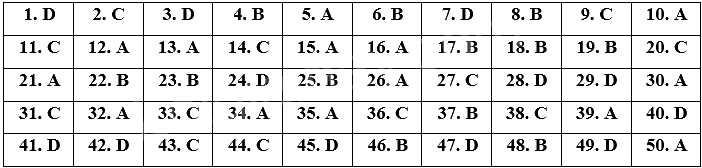
Xem đáp án
HƯỚNG DẪN GIẢI
Thực hiện: Ban chuyên môn trithuchub.com
|
1. A |
2. C |
3. A |
4. D |
5. B |
6. B |
7. A |
8. A |
9. C |
10. C |
|
11. B |
12. C |
13. B |
14. C |
15. B |
16. B |
17. B |
18. A |
19. B |
20. A |
|
21. A |
22. B |
23. C |
24. C |
25. C |
26. D |
27. A |
28. C |
29. D |
30. D |
|
31. C |
32. D |
33. A |
34. C |
35. D |
36. B |
37. C |
38. B |
39. B |
40. B |
Đề thi vào 10 môn Anh Nghệ An năm 2025
Đề bài
Mark the letter A, B, C, or D on your answer sheet to indicate the word that differs from the other three in the position of stress in each of the following questions.
Question 1:
A. invention
B. important
C. historic
D. engineer
Question 2:
A. support
B. offer
C. attend
D. refuse
Mark the letter A, B, C, or D on your answer sheet to indicate the best answer to each of the following questions.
Question 3: After discussing with her mother, Laura ________ a decision to enroll in a cookery course.
A. did
B. gave
C. made
D. took
Question 4: Mike and Alice _________ in New York since they got married twenty years ago.
A. lived
B. have lived
C. were living
D. live
Question 5: My cousin and _________ really well with each other.
A. look after
B. put off
C. get on
D. give up
Question 6: I'm studying English _________ I want to work overseas in the future.
A. in spite of
B. although
C. because
D. because of
Question 7: The little girl really enjoys ________ cartoons in her free time.
A. watched
B. watch
C. to watch
D. watching
Question 8: The sky is very __________today. I think it is going to rain soon.
A. cloudy
B. sunny
C. bright
D. clear
Question 9: I get a lot of _________ from reading adventure stories.
A. excite
B. excitement
C. exciting
D. excited
Question 10: Your brother doesn't often go online, ________?
A. does he
B. doesn't he
C. did he
D. isn't he
Read the following passage and mark the letter A, B, C, or D on your answer sheet to indicate the best answer to each of the questions from 11 to 16.
In many schools today, students learn science and mathematics in English, even when English is not their first language. This method helps students learn new ideas in these important subjects and improves their English skills at the same time.
Learning science subjects in English has several benefits. First, many science books and articles are written in English. If students know English, they can understand and use these materials easily. Second, when students study science in English, they learn important words that help them speak about scientific topics clearly. This can help students who want to study or work in other countries in the future. Also, studying science in English encourages students to work together and discuss ideas clearly.
However, this method can sometimes be difficult. Some students may find science ideas hard to understand because their English skills are limited. Teachers may also have problems if their own English is not strong enough. Therefore, schools need to support teachers and students by providing extra training and language help.
In conclusion, learning science and math in English can give students many advantages. With good support from schools and teachers, students can successfully learn both important subjects and language skills for their future.
Question 11: What is the main topic of the passage?
A. Problems faced by science teachers.
B. Learning English through reading books.
C.Teaching science and math in English.
D. Why English is difficult for students.
Question 12: According to the passage, which is NOT a benefit of studying science in English?
A. Students understand science materials better
B. Students learn important scientific words.
C. Students improve their English skills.
D. Students can easily make friends with foreigners.
Question 13: The word "they" in paragraph 2 refers to _________.
A. students
B. articles
C. books
D. subjects
Question 14: The word "limited" in paragraph 3 is closest in meaning to _________.
A. poor
B. difficult
C. strong
D. careful
Question 15: What does the author suggest to help teachers and students?
A. Teaching only simple ideas in science and math
B. Giving them extra training and language support
C. Asking students to study alone at home
D. Using only easy science books in classes
Question 16: What can be inferred about learning science in English from the passage?
A. It helps students prepare for the future.
B. It makes learning science harder than before.
C. It only works in some special schools.
D. It is too difficult for most students to understand.
Mark the letter A, B, C, or D on your answer sheet to indicate the word OPPOSITE in meaning to the underlined word in the following question.
Question 17: The instructions for building the model airplane were so complicated that only a few people could understand them.
A. complex
B. unclear
C. simple
D. confusing
Mark the letter A, B, C, or D on your answer sheet to indicate the word whose underlined part differs from the other three in pronunciation in each of the following questions.
Question 18:
A. rained
B. played
C. called
D. wanted
Question 19:
A. noun
B. could
C. found
D. sound
Mark the letter A, B, C, or D on your answer sheet to indicate the sentence that best combines each pair of the following questions.
Question 20: The restaurant is very crowded. I can't find a seat there.
A. If the restaurant weren't very crowded, I can't find a seat there.
B. If the restaurant isn't very crowded, I can find a seat there.
C. If the restaurant were very crowded, I could find a seat there.
D. If the restaurant weren't very crowded, I could find a seat there.
Question 21: The entrance exam was difficult. Many students could pass it easily.
A. Many students could pass the entrance exam easily in spite of its difficulty.
B. Many students could pass the entrance exam easily because it was difficult.
C. Even though the entrance exam was easy many students couldn't pass it easily.
D. The entrance exam was difficult, so many students could pass it easily.
Read the following advertisement and mark the letter A, B, C, or D on your answer sheet to indicate the correct words) that best fit(s) each of the numbered blanks from 22 to 24.
|
NEIGHBORHOOD CLEAN-UP DAY! All residents (22) ________ to join our annual Clean-Up Day next Saturday, June 22nd. We will provide gloves and trash bags. Volunteers are asked to meet at the park entrance at 9 AM. Together, we can (23) ________ our neighborhood beautiful and litter-free. (24) __________ you need more details, please email cleanup@community.org.com |
Question 22:
A. are encouraged
B. encourage
C. have encouraged
D. encouraged
Question 23:
A. do
B. get
C. find
D. keep
Question 24:
A. Will
B. Should
C. Could
D. Might
Read the following passage and mark the letter A, B, C, or D on your answer sheet to indicate the correct word that best fits each of the numbered blanks from 25 to 29.
STEAM EDUCATION: A MODERN WAY TO LEARN
STEAM stands for Science, Technology, Engineering, the Arts, and Mathematics. This kind of education, (25) __________has become more popular in many schools today, helps students think in creative ways and solve real problems.
In STEAM classes, students often work in groups. They talk about ideas and come up (26) ________ their own solutions. This helps them learn how to work with (27) ________ and share opinions.
Teachers in STEAM lessons do not just give answers. Instead, they require students to think and (28) __________ their own questions. This makes learning more interesting and active.
Many people believe that STEAM is a good way to prepare students for future jobs. These jobs need people who can think clearly and work well in a team. That's why STEAM is now a (29) _________ part of school programs. It gives students a fun and exciting way to learn.
Question 25:
A. which
B. who
C. why
D. where
Question 26:
A. to
B. with
C. of
D. at
Question 27:
A. another
B. other
C. each
D. others
Question 28:
A. check
B. answer
C. copy
D. ask
Question 29:
A. boring
B. normal
C. modern
D. useful
Mark the letter A, B, C, or D on your answer sheet to indicate the underlined part that needs
correction in each of the following questions.
Question 30: This new laptop is quite differentiate from the old one I had last year.
A B C D
Question 31: There were only a few classrooms and its walls were made of mud and straw.
A B C D
Question 32: Our teacher gives us some Geography homework yesterday afternoon.
A B C D
Mark the letter A, B, C, or D on your answer sheet to indicate the word CLOSEST in meaning to the underlined word in the following question.
Question 33: We should reduce the amount of daily plastic usage to protect the environment.
A. increase
B. lower
C. produce
D. reuse
Mark letter A, B, C, or D on your answer sheet to indicate the sentence that is closest in meaning to the given one.
Question 34: You are not allowed to use your phone during the exam.
A. You should turn off your phone before the exam starts.
B. You are required to use your phone for the exam.
C.You must not use your phone while taking the exam.
D. You can use your phone after the exam ends.
Question 35: Linda began playing the guitar 5 years ago.
A. Linda has played the guitar for 5 years ago.
B. Linda had played the guitar since 5 years
C. Linda Stopped playing the guitar 5 years ago.
D. Linda has been playing the guitar for 5 years.
Question 36: Tom said to me, "Where are you taking your vacation this summer?"
A. Tom asked me where was taking your vacation that summer.
B. Tom asked me where am taking my vacation (this summer.
C. Tom asked me where I will take my vacation this summer.
D. Tom asked me where I was taking my vacation that summer.
Mark the letter A, B, C, or D on your answer sheet to indicate the best arrangement of the sentences to make a meaningful dialogue/paragraph in each of the following questions.
Question 37:
a. Anna: "Cold but beautiful. You might even see snow."
b. Anna: "Have you ever been to Sapa in the winter?"
c. Brian: "Really? I've always wanted to see snow in Vietnam."
d. Brian: "No, never. What's it like?"
A. a – b – d – c
B. b – d – a – c
C. d – a – c – d
D. a – b – c – d
Question 38:
a. Hùng: "Almost every day. It helps me stay active."
b. Lan: "How often do you ride your bicycle to school?"
c. Lan: "That's great! And it's good for the environment too."
A. a – b – c
B. c – a – b
C. a – c – b
D. b – a – c
Question 39:
a. Mike: "How was it?"
b. Tina: "Pretty good. I liked the atmosphere."
c. Mike: "Did you try the new coffee shop on Main Street?"
d. Mike: "Nice! I'll check it out this weekend."
e. Tina: "Yes! I went there yesterday."
A. b – a – d – c – e
B. c – e – a – b – d
C. a – b – d – c – e
D. a – b – d – e – c
Question 40:
a. Also, making a travel plan before the trip helps people save time and avoid problems,
b. Traveling to new places is a great way to learn and enjoy new things.
c. As a result, people who travel more often become more open and comfortable in new situations
d. In conclusion, travel helps people grow and understand the world better.
e. For example, meeting people from other countries can change how you think about life.
A. b – a – e – c – d
B. e – a – b – c – d
C. a – b – e – d – c
D. b – e – a – c – d
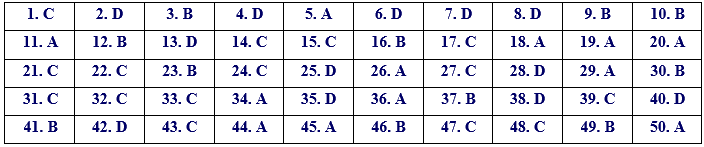
Xem đáp án
HƯỚNG DẪN GIẢI
Thực hiện: Ban chuyên môn trithuchub.com


Đề thi vào 10 môn Anh Nghệ An năm 2023
Đề bài
Mark the letter A, B, C or D on your answer sheet to indicate the word whose underlined part differs from the other three in pronunciation in each of the following questions.
Question 1:
A. construction
B. camera
C. company
D. cinema
Question 2:
A. such
B. much
C. push
D. fun
Question 3:
A. appointed
B. visited
C. decided
D. damaged
Mark the letter A, B, C, or D on your answer sheet to indicate the word that differs from the other three in the position of primary stress in each of the following questions.
Question 4:
A. holiday
B. attention
C. balcony
D. national
Question 5:
A. cartoon
B. teacher
C. letter
D. student
Mark the letter A, B, C, or D on your answer sheet to indicate the correct answer to each of the following questions.
Question 6: Jack _____ the computer and checked his email.
A. took off
B. turned on
C. gave up
D. made up
Question 7: Hurricane Andrew swept through southern Florida _____ 1992.
A. for
B. on
C. at
D. in
Question 8: Helen isn’t good at Maths. She wishes she _____ it well.
A. studies
B. studied
C. is studying
D. has studied
Question 9: Her teacher was _____ at how quickly she came up with the answer.
A. surprise
B. surprising
C. surprised
D. surprisingly
Question 10: Your parents have just retired, _____?
A. haven’t they
B. have they
C. don’t they
D. do they
Question 11: The manager reminded Jack _____ late for the meeting the next day.
A. to be not
B. not be
C. not to be
D. don’t be
Question 12: Tourists are impressed by the _____ of Ha Long Bay.
A. beauty
B. beautify
C. beautiful
D. beautifully
Question 13: Ba is _____ than any other student in his class.
A. much taller
B. much tall
C. the tallest
D. as tall
Question 14: A newspaper which is published every day is called a _____ newspaper.
A. yearly
B. monthly
C. daily
D. weekly
Question 15: The Smiths _____ live in the countryside before they moved to this city.
A. used to
B. is used to
C. uses to
D. was used to
Question 16: The population of that area has _____ from 22,000 to 25,000 over the past 2 years.
A. increased
B. decreased
C. reduced
D. improved
Question 17: We’re going to consolidate what we’ve learnt so far by _____ some exercises today.
A. making
B. doing
C. performing
D. putting
Question 18: A new bridge _____ across the river by these workers last year.
A. built
B. was built
C. builds
D. has built
Question 19: I can’t work effectively at home _____ it is too noisy.
A. in spite of
B. because
C. although
D. because of
Question 20: My children enjoy _____ about wild animals and natural mysteries.
A. to read
B. read
C. reading
D. to reading
Question 21: He’s really got the bit between his _____ so that he can pass the exam with flying colours.
A. teeth
B. eyes
C. ears
D. feet
Mark the letter A, B, C, or D on your answer sheet to indicate the word CLOSEST in meaning to the underlined word in the following question.
Question 22: Many people left the cinema early because the film was boring.
A. fascinating
B. uninteresting
C. exciting
D. surprising
Mark the letter A, B, C, or D on your answer sheet to indicate the word OPPOSITE in meaning to the underlined word in the following question.
Question 23: We need to find ways of producing energy without destroying the environment.
A. changing
B. protecting
C. creating
D. damaging
Mark the letter A, B, C or D on your answer sheet to indicate the most suitable response to complete each of the following exchanges.
Question 24: Nick and Mary are at their office.
- Nick: “Thank you for your advice, Mary.”
- Mary: “_____.”
A. Have a good day
B. Same to you
C. Good idea
D. You’re welcome
Question 25: John is talking with Peter, his classmate.
- John: “Would you like to go out for dinner with my family?”
- Peter: “_____”
A. I agree with you
B. Yes, I’d love to
C. Never mind
D. That’s right
Mark the letter A, B, C, or D on your answer sheet to indicate the underlined part that needs correction in each of the following questions.
Question 26: Jane listens usually to pop music when she has free time.
A. listens usually
B. pop
C. when
D. free
Question 27: The number of people working in agriculture falls in the last decade.
A. number
B. in
C. falls
D. decade
Question 28: I think that the talk about American movies is both informative and entertained.
A. think
B. American
C. both
D. entertained
Question 29: Our new colleague is self-educated, hard-working, energetic, and always tells the truth.
A. new
B. self-educated
C. energetic
D. always tells the truth
Question 30: There are only one task that we need to complete today.
A. are
B. that
C. need
D. complete
Mark the letter A, B, C, or D on your answer sheet to indicate the sentence that is closest in meaning to each of the following questions.
Question 31: It is two weeks since she last called me.
A. She has called me for two weeks.
B. She did not call me for two weeks ago.
C. She has not called me for two weeks.
D. She called me for two weeks.
Question 32: It is inadvisable for us to attempt to do this ourselves.
A. We shouldn’t attempt to do this ourselves.
B. We might attempt to do this ourselves.
C. We must attempt to do this ourselves.
D. We needn’t attempt to do this ourselves.
Question 33: Tom asked his classmate: “Are you joining us for the party this weekend?”.
A. Tom asked his classmate if he is joining them for the party that weekend.
B. Tom asked his classmate if was he joining them for the party that weekend.
C. Tom asked his classmate if he was joining them for the party that weekend.
D. Tom asked his classmate if is he joining them for the party that weekend.
Mark the letter A, B, C, or D on your answer sheet to indicate the sentence that best combines each pair of sentences in the following questions.
Question 34: The taxi driver is friendly. He took me to the airport yesterday.
A. The taxi driver who took me to the airport yesterday is friendly.
B. The taxi driver which took me to the airport yesterday is friendly.
C. The taxi driver whom took me to the airport yesterday is friendly.
D. The taxi driver is friendly who took me to the airport yesterday.
Question 35: He smokes too much. He can’t get rid of his cough.
A. lf he didn’t smoke so much, he could get rid of his cough.
B. If he smokes so much, he can’t get rid of his cough.
C. If he didn’t smoke so much, he can get rid of his cough.
D. If he smoked so much, he could get rid of his cough.
Read the following passage and mark the letter A, B, C, or D on your answer sheet to indicate the correct word that best fits each of the numbered blanks from 36 to 40.
One electronic device that I find extremely (36) _____ in my daily life is my smartphone. It’s an essential tool (37) _____ allows me to stay connected with friends, family, and colleagues. I use it to make phone calls, send text messages, and check my email on the go. It’s also my primary camera for (38) _____ photos and recording videos. In addition to these basic functions, my smartphone is loaded with a variety of apps that help me (39) _____ everything from navigation to productivity. Whether I need to book a ride, order food, or check the weather, my smartphone is always there to help me get things done quickly and efficiently. I can’t (40) _____ going a day without it!
Question 36:
A. useless
B. usefully
C. useful
D. use
Question 37:
A. who
B. which
C. where
D. what
Question 38:
A. showing
B. making
C. taking
D. catching
Question 39:
A. with
B. for
C. on
D. of
Question 40:
A. guess
B. think
C. help
D. imagine
Read the following passage and mark the letter A, B, C, or D on your answer sheet to indicate the correct answer for each of the questions from 41 to 45.
Last weekend, there was a soccer match in the city park. Two local teams, the Ventures and the Airbobs, competed against each other. Many people came to watch the game and cheer for their favorite team.
The match started at 3 p.m and came to an end at 4 p.m. The Ventures wore blue jerseys, while the Airbobs wore yellow jerseys. The Ventures played very well and scored two goals, while the Airbobs scored only one goal. The crowd was excited and cheered loudly whenever a goal was scored.
The weather was perfect for the game. The sun was shining, and there was a gentle breeze. The players ran fast and showed great skill in passing and shooting the ball. The referee did a good job of keeping the game fair and making sure all the rules were followed.
At half-time, the teams took a short break to rest and hydrate. The spectators used this time to buy snacks and drinks from the food stalls near the field. Some children played soccer themselves in the nearby playground, imitating their favorite players.
In the second half of the game, both teams fought hard to score more goals. The Ventures were determined to keep their lead, while the Airbobs were eager to catch up. The players were exhausted, but they didn’t give up. Finally, when the whistle blew, the Ventures won the match with a score of 2-1.
Question 41: Where did the Ventures and the Airbobs compete against each other?
A. in the city stadium
B. in the playground
C. on the beach
D. in the city park
Question 42: The match lasted for _____.
A. three hours
B. four hours
C. two hours
D. one hour
Question 43: The word “jerseys” in paragraph 2 mostly means “shirts worn by the people who _____”.
A. cheered for their favorite team
B. watched a sports event
C. played a sports game
D. controlled a sports game
Question 44: What did the spectators do during half-time?
A. They watched the players practice.
B. They played soccer in the nearby playground.
C. They bought snacks and drinks.
D. They rested and hydrated.
Question 45: The word “they” in the last paragraph refers to _____.
A. goals
B. spectators
C. children
D. players
Read the following passage and mark the letter A, B, C, or D on your answer sheet to indicate the correct answer for each of the questions from 46 to 50.
Being fluent in more than one language has numerous advantages that extend beyond communication. Multilingualism offers cognitive, social, and professional benefits, making it a valuable skill in today’s interconnected world.
One of the cognitive benefits of multilingualism is improved memory and attention. Learning and switching between different languages exercises the brain, enhancing its ability to remember and process information. Multilingual individuals often display better problem-solving skills and increased mental flexibility. In terms of social benefits, being multilingual allows for better cross-cultural understanding and empathy. Language is closely tied to culture, and by speaking multiple languages, individuals gain insights into different cultural perspectives. This promotes tolerance, open-mindedness, and the ability to connect with people from diverse backgrounds. Professionally, being multilingual opens up a world of opportunities. In an increasingly globalized job market, employers value individuals who can communicate effectively with international partners and clients. Multilingual employees are often sought after in industries such as tourism, diplomacy, and international business. Moreover, learning multiple languages can boost academic performance. Research has shown that multilingual students tend to have better problem-solving skills, enhanced creativity, and improved overall academic achievement.
While learning multiple languages requires dedication and effort, the benefits are well worth it. It not only broadens one’s horizons but also contributes to personal growth and understanding of the world.
Question 46: Which could be the best title for the passage?
A. The Cognitive Benefits of Multilingualism
B. The Benefits of Multilingualism
C. Multilingualism in the Globalized Job Market
D. How to Become Multilingual
Question 47: The word “it” in the first paragraph refers to _____.
A. advantage
B. communication
C. language
D. multilingualism
Question 48: What cognitive advantage does multilingualism offer?
A. Increased creativity and artistic skills
B. Enhanced memory and attention
C. Improved physical fitness
D. Greater musical abilities
Question 49: It can be inferred from the passage that multilingual individuals are in high demand in the professional fields of _____.
A. education and healthcare
B. international business and law
C. technology and diplomacy
D. tourism and diplomacy
Question 50: Which of the following statements is TRUE according to the passage?
A. Multilingualism fosters cross-cultural understanding and empathy.
B. Being multilingual does not bring people a lot of job opportunities.
C. Multilingual individuals often show increased physical flexibility.
D. It needs little effort and dedication to learn multiple languages.
Đáp án
HƯỚNG DẪN GIẢI
THỰC HIỆN: BAN CHUYÊN MÔN trithuchub.com
HƯỚNG DẪN GIẢI CHI TIẾT
1. (NB)
Kiến thức: Cách phát âm “c”
Giải thích:
A. construction /kənˈstrʌkʃn/
B. camera /ˈkæmrə/
C. company /ˈkʌmpəni/
D. cinema /ˈsɪnəmə/
Phần gạch chân phương án D được phát âm là /s/, còn lại phát âm là /k/.
Đáp án D.
2. (NB)
Kiến thức: Cách phát âm “u”
Giải thích:
A. such /sʌtʃ/
B. much /mʌtʃ/
C. push /pʊʃ/
D. fun /fʌn/
Phần gạch chân phương án C được phát âm là /ʊ/, còn lại phát âm là /ʌ/.
Đáp án C.
3. (NB)
Kiến thức: Cách phát âm đuôi “ed”
Giải thích:
A. appointed /əˈpɔɪntɪd/
B. visited /ˈvɪzɪtɪd/
C. decided /dɪˈsaɪdɪd/
D. damaged /ˈdæmɪdʒd/
Cách phát âm “-ed”
- /t/: Khi từ có tận cùng bằng các âm /tʃ/, /θ/, /ʃ/, /s/, /k/, /p/, /f/.
- /ɪd/: Khi từ có tận cùng là các âm /t/, /d/.
- /d/: Khi các từ có tận cùng là âm còn lại.
Phần gạch chân phương án D được phát âm là /d/, còn lại phát âm là /ɪd/.
Đáp án D.
4. (NB)
Kiến thức: Trọng âm từ có 3 âm tiết
Giải thích:
A. holiday /ˈhɒlədeɪ/
B. attention /əˈtenʃn/
C. balcony /ˈbælkəni/
D. national /ˈnæʃnəl/
Phương án B có trọng âm rơi vào âm tiết 2, còn lại là âm tiết 1.
Đáp án B.
5. (NB)
Kiến thức: Trọng âm từ có 2 âm tiết
Giải thích:
A. cartoon /kɑːˈtuːn/
B. teacher /ˈtiːtʃə(r)/
C. letter /ˈletə(r)/
D. student /ˈstjuːdnt/
Phương án A có trọng âm rơi vào âm tiết 2, còn lại là âm tiết 1.
Đáp án A.
6. (TH)
Kiến thức: Cụm động từ
Giải thích:
A. took off: cất cánh (máy bay), cởi (trang phục)
B. turned on: bật lên
C. gave up: từ bỏ
D. made up: trang điểm
Tạm dịch: Jack bật máy tính và kiểm tra email của mình.
Đáp án B.
7. (TH)
Kiến thức: Giới từ
Giải thích:
A. for (prep): cho
B. on (prep): trên => on + ngày/ ngày lễ/ …
C. at (prep): tại => at + thời gian/ dịp lễ/ …
D. in (prep): trong => in + tháng/ năm/ mùa/ …
Tạm dịch: Bão Andrew đã quét qua miền nam Florida năm 1992.
Đáp án D.
8. (TH)
Kiến thức: Câu ước
Giải thích:
Câu ước trái với hiện tại: S + wish(es) + S + V_ed/ tra cột 2
Diễn tả 1 điều ước trái với hiện tại
Tạm dịch: Helen không giỏi môn Toán. Cô ước mình học tốt môn đó.
Đáp án B.
9. (TH)
Kiến thức: Từ loại
Giải thích:
A. surprise (v): gây ngạc nhiên
B. surprising (adj): đáng ngạc nhiên => tính từ đuôi “ing” thể hiện bản chất
C. surprised (adj): ngạc nhiên => tính từ đuôi “ed” thể hiện cảm xúc
D. surprisingly (adv): một cách đáng ngạc nhiên
Sau động từ “be” cần điền tính từ
Tạm dịch: Giáo viên rất ngạc nhiên với tốc độ đưa ra câu trả lời nhanh như vậy của cô ấy.
Đáp án C.
10. (TH)
Kiến thức: Câu hỏi đuôi
Giải thích:
Vế trước câu hỏi đuôi dạng khẳng định => câu hỏi đuôi dạng phủ định
Vế trước: Your parents have just retired => câu hỏi đuôi: haven’t they?
Tạm dịch: Bố mẹ bạn vừa nghỉ hưu phải không?
Đáp án A.
11. (TH)
Kiến thức: To V/ V_ing
Giải thích: Cấu trúc: remind + somebody + (not) + to V_infinitive: nhắc ai (không) làm gì
Tạm dịch: Người quản lý nhắc nhở Jack không được đến muộn trong cuộc họp ngày hôm sau.
Đáp án C.
12. (TH)
Kiến thức: Từ loại
Giải thích:
A. beauty (n): vẻ đẹp
B. beautify (v): làm đẹp
C. beautiful (adj): đẹp đẽ
D. beautifully (adv): một cách đẹp đẽ
Cụm danh từ “the ____” => vị trí trống cần điền danh từ
Tạm dịch: Du khách ấn tượng trước vẻ đẹp của Vịnh Hạ Long.
Đáp án A.
13. (TH)
Kiến thức: Câu so sánh
Giải thích: So sánh hơn với tính từ ngắn: S1 + be + (much) + adj_er + than + S2
Tạm dịch: Ba cao hơn nhiều so với bất kỳ học sinh nào khác trong lớp.
Đáp án A.
14. (TH)
Kiến thức: Từ vựng
Giải thích:
A. yearly (adj): hàng năm
B. monthly (adj): hàng tháng
C. daily (adj): hàng ngày
D. weekly (adj): hàng tuần
Tạm dịch: Một tờ báo được xuất bản hàng ngày được gọi là tờ báo hàng ngày.
Đáp án C.
15. (TH)
Kiến thức: Cấu trúc câu cơ bản
Giải thích:
Cấu trúc với “used to”: S + used to + V_infinitive: Ai đó đã từng thường xuyên làm gì trong quá khứ, bây giờ không làm nữa
Cấu trúc với “be/ get used to”: S + be/ get + used to + V_ing: Ai đó quen với việc làm gì
Tạm dịch: Gia đình Smith từng sống ở nông thôn trước khi họ chuyển đến thành phố này.
Đáp án A.
16. (TH)
Kiến thức: Từ vựng
Giải thích:
A. increased (V_ed): tăng
B. decreased (V_ed): giảm
C. reduced (V_ed): giảm
D. improved (V_ed): cải thiện
Tạm dịch: Dân số của khu vực đó đã tăng từ 22.000 lên 25.000 trong 2 năm qua.
Đáp án A.
17. (TH)
Kiến thức: Từ vựng
Giải thích:
A. making (V_ing): tạo ra, làm ra
B. doing (V_ing): làm => do exercises: làm bài tập
C. performing (V_ing): trình diễn
D. putting (V_ing): đặt, để
Tạm dịch: Chúng ta sẽ củng cố những gì đã học từ trước đến giờ bằng cách làm một số bài tập ngày hôm nay.
Đáp án B.
18. (TH)
Kiến thức: Câu bị động
Giải thích:
Dấu hiệu nhận biết: “last year” – năm ngoái => chia thì quá khứ đơn
Câu bị động thì quá khứ đơn: S + was/ were + P2
Tạm dịch: Một cây cầu mới đã được xây dựng bắc qua sông bởi những công nhân này vào năm ngoái.
Đáp án B.
19. (TH)
Kiến thức: Liên từ
Giải thích:
A. in spite of + cụm N/ V_ing: mặc dù
B. because + S + V: bởi vì (chỉ nguyên nhân)
C. although + S + V: mặc dù
D. because of + cụm N/ V_ing: bởi vì (chỉ nguyên nhân)
Tạm dịch: Tôi không thể làm việc hiệu quả ở nhà vì quá ồn ào.
Đáp án B.
20. (TH)
Kiến thức: To V/ V_ing
Giải thích: Cấu trúc: enjoy + V_ing: thích làm gì
Tạm dịch: Các con tôi thích đọc về động vật hoang dã và những bí ẩn tự nhiên.
Đáp án C.
21. (TH)
Kiến thức: Thành ngữ
Giải thích:
A. teeth (n): răng
B. eyes (n): mắt
C. ears (n): tai
D. feet (n): chân
Thành ngữ: get the bit between one’s teeth: nỗ lực/ quyết tâm làm gì
Tạm dịch: Anh ấy thực sự đã quyết tâm để có thể vượt qua kỳ thi một cách xuất sắc.
Đáp án A.
22. (TH)
Kiến thức: Từ đồng nghĩa
Giải thích:
boring (adj): chán, nhàm chán
A. fascinating (adj): hấp dẫn
B. uninteresting (adj): không thú vị
C. exciting (adj): thú vị
D. surprising (adj): đáng ngạc nhiên
=> boring = uninteresting: chán
Tạm dịch: Nhiều người đã rời rạp sớm vì phim chán.
Đáp án B.
23. (TH)
Kiến thức: Từ trái nghĩa
Giải thích:
destroying (V_ing): phá huỷ
A. changing (V_ing): thay đổi
B. protecting (V_ing): bảo vệ
C. creating (V_ing): tạo ra
D. damaging (V_ing): gây thiệt hại
=> destroying >< protecting
Tạm dịch: Chúng ta cần tìm cách sản xuất năng lượng mà không hủy hoại môi trường.
Đáp án B.
24. (TH)
Kiến thức: Ngôn ngữ giao tiếp
Giải thích:
Nick và Mary đang ở văn phòng của họ.
- Nick: “Cảm ơn lời khuyên của bạn, Mary.”
- Mary: “_____.”
A. Chúc một ngày tốt lành
B. Bạn cũng vậy
C. Ý tưởng hay
D. Không có gì
Đáp án D.
25. (TH)
Kiến thức: Ngôn ngữ giao tiếp
Giải thích:
John đang nói chuyện với Peter, bạn cùng lớp của anh ấy.
- John: “Bạn có muốn ra ngoài ăn tối với gia đình tôi không?”
- Peter: “_____”
A. Tôi đồng ý với bạn
B. Vâng, tôi rất thích
C. Đừng bận tâm
D. Đúng vậy
Đáp án B.
26. (TH)
Kiến thức: Cấu trúc câu cơ bản
Giải thích:
Trạng từ chỉ tần suất đứng trước động từ thường hoặc sau động từ “be”
Sửa: listens usually => usually listens
Tạm dịch: Jane thường nghe nhạc pop khi cô ấy có thời gian rảnh.
Đáp án A.
27. (TH)
Kiến thức: Thì hiện tại hoàn thành
Giải thích:
Dấu hiệu nhận biết: in the last decade – trong mười năm vừa qua => chia thì hiện tại hoàn thành
Thì hiện tại hoàn thành: S + have/ has + P2
Diễn tả 1 hành động đã bắt đầu xảy ra trong quá khứ và kéo dài đến hiện tại
Sửa: falls => has fallen
Tạm dịch: Số người làm việc trong lĩnh vực nông nghiệp đã giảm trong mười năm qua.
Đáp án C.
28. (TH)
Kiến thức: Từ loại
Giải thích:
Liên từ “both … and …” => nối các từ cùng tính chất, chức năng ngữ pháp
Trước “and” là tính từ => sau “and” cũng điền tính từ
entertained (V_ed): làm (ai) vui
entertaining (adj): mang tính giải trí
Sửa: entertained => entertaining
Tạm dịch: Tôi nghĩ rằng cuộc nói chuyện về những bộ phim Mỹ vừa cung cấp thông tin vừa mang tính giải trí.
Đáp án D.
29. (TH)
Kiến thức: Từ loại
Giải thích:
Liên từ “and” => nối các từ cùng tính chất, chức năng ngữ pháp
Trước “and” là các tính từ => sau “and” cũng điền tính từ
truthful (adj): trung thực
Sửa: always tells the truth => truthful
Tạm dịch: Đồng nghiệp mới của chúng tôi là người tự học, chăm chỉ, năng động và trung thực.
Đáp án D.
30. (TH)
Kiến thức: Sự hoà hợp giữa chủ ngữ và động từ
Giải thích:
Cấu trúc: There is + N đếm được số ít/ N không đếm được: Có …
There are + N đếm được số nhiều: Có …
“only one task” – chỉ có 1 nhiệm vụ => dùng “There is”
Sửa: are => is
Tạm dịch: Chỉ có một nhiệm vụ mà chúng ta cần phải hoàn thành ngày hôm nay.
Đáp án A.
31. (TH)
Kiến thức: Cấu trúc câu cơ bản
Giải thích:
Cấu trúc: It is + khoảng thời gian + since + S + last + V_ed: Đã được bao lâu kể từ lần cuối ai làm gì
= S + have/ has + (not) + P2 + for + khoảng thời gian: Ai đó đã (không) làm gì được bao lâu
Tạm dịch: Đã hai tuần kể từ lần cuối cô ấy gọi cho tôi.
A. Cô ấy đã gọi cho tôi suốt hai tuần rồi. => sai nghĩa
B. sai ngữ pháp: bỏ “for” + sai nghĩa
C. Cô ấy đã không gọi cho tôi suốt hai tuần rồi.
D. sai ngữ pháp: “called” => “has called”
Đáp án C.
32. (TH)
Kiến thức: Cấu trúc câu cơ bản
Giải thích:
Cấu trúc: It is + inadvisable + for + somebody + to V_infinitive: Ai đó không nên làm gì
= S + shouldn’t + V_infinitive: Ai đó nên làm gì
Tạm dịch: Chúng ta không nên cố gắng tự mình làm việc này.
A. Chúng ta không nên cố gắng tự mình làm việc này.
B. Chúng ta có thể cố gắng tự mình thực hiện việc này. => sai nghĩa
C. Chúng ta phải cố gắng tự mình thực hiện việc này. => sai nghĩa
D. Chúng ta không cần phải cố gắng tự mình làm việc này. => sai nghĩa
Đáp án A.
33. (TH)
Kiến thức: Câu tường thuật
Giải thích: Cấu trúc câu tường thuật câu hỏi Yes/ No: S + asked + O + if/ whether + S + V (lùi thì)
Tạm dịch: Tom hỏi bạn cùng lớp: “Cuối tuần này bạn có tham gia bữa tiệc cùng chúng tôi không?”.
A. sai ngữ pháp: “is” => “was”
B. sai ngữ pháp: “was he” => “he was”
C. Tom hỏi bạn cùng lớp xem anh ấy có tham gia bữa tiệc cuối tuần đó cùng họ không.
D. sai ngữ pháp: “is he” => “he was”
Đáp án C.
34. (TH)
Kiến thức: Mệnh đề quan hệ
Giải thích:
Đại từ quan hệ “who” thay thế cho danh từ chỉ người, đóng vai trò làm chủ ngữ
Đại từ quan hệ “which” thay thế cho danh từ chỉ vật, đóng vai trò làm chủ ngữ/ tân ngữ
Đại từ quan hệ “whom” thay thế cho danh từ chỉ người, đóng vai trò làm tân ngữ
Tạm dịch: Người lái xe taxi rất thân thiện. Hôm qua anh ấy đưa tôi đến sân bay.
A. Người lái xe taxi đưa tôi đến sân bay ngày hôm qua rất thân thiện.
B. sai ngữ pháp: “which” => “who”
C. sai ngữ pháp: “whom” => “who”
D. sai ngữ pháp: “who” phải đứng ngay sau danh từ chỉ người mà nó thay thế
Đáp án A.
35. (TH)
Kiến thức: Câu điều kiện
Giải thích:
Câu điều kiện loại 2: If + S + V_ed, S + would/ could/ might + V_infinitive
Diễn tả 1 điều kiện trái với hiện tại, dẫn đến 1 kết quả trái với hiện tại
Tạm dịch: Anh ấy hút thuốc quá nhiều. Anh ấy không thể hết ho.
A. Nếu anh ấy không hút thuốc nhiều thì anh ấy có thể hết ho.
B. sai ngữ pháp: “smokes” => “didn’t smoke”, “can’t” => “could”
C. sai ngữ pháp: “can” => “could”
D. Nếu anh ấy hút thuốc nhiều, anh ấy có thể hết ho. => sai nghĩa
Đáp án A.
36. (TH)
Kiến thức: Từ loại
Giải thích:
A. useless (adj): vô dụng
B. usefully (adv): một cách hữu ích
C. useful (adj): hữu dụng
D. use (v): sử dụng
Cấu trúc: S + find + something + adj: Ai đó thấy cái gì làm sao => vị trí trống cần điền tính từ
One electronic device that I find extremely (36) useful in my daily life is my smartphone.
Tạm dịch: Một thiết bị điện tử mà tôi thấy cực kỳ hữu ích trong cuộc sống hàng ngày là điện thoại thông minh.
Đáp án C.
37. (TH)
Kiến thức: Đại từ quan hệ
Giải thích:
A. who + V: người mà (dùng thay thế cho danh từ chỉ người, đóng vai trò làm chủ ngữ)
B. which + V: cái mà (dùng thay thế cho danh từ chỉ vật, đóng vai trò làm chủ ngữ)
C. where + S + V: nơi mà (= giới từ + which, dùng thay thế cho từ chỉ địa điểm)
D. what: cái gì
Cụm danh từ “an essential tool” – một thiết bị cần thiết => danh từ chỉ vật
It’s an essential tool (37) which allows me to stay connected with friends, family, and colleagues.
Tạm dịch: Đó là một công cụ thiết yếu cho phép tôi kết nối với bạn bè, gia đình và đồng nghiệp.
Đáp án B.
38. (TH)
Kiến thức: Từ vựng
Giải thích:
A. showing (V_ing): chỉ ra, khoe
B. making (V_ing): tạo ra, làm
C. taking (V_ing): lấy => cụm: take photos: chụp ảnh
D. catching (V_ing): bắt, túm
It’s also my primary camera for (38) taking photos and recording videos.
Tạm dịch: Đây cũng là máy ảnh chính của tôi để chụp ảnh và quay video.
Đáp án C.
39. (TH)
Kiến thức: Giới từ
Giải thích:
A. with (prep): với
B. for (prep): cho
C. on (prep): trên
D. of (prep): của
Cấu trúc: help + somebody + with + something: giúp ai cái gì
In addition to these basic functions, my smartphone is loaded with a variety of apps that help me (39) with everything from navigation to productivity.
Tạm dịch: Ngoài những chức năng cơ bản này, điện thoại thông minh của tôi còn có nhiều ứng dụng giúp tôi thực hiện mọi việc, từ điều hướng đến năng suất làm việc.
Đáp án A.
40. (TH)
Kiến thức: Từ vựng
Giải thích:
A. guess (v): đoán
B. think (v): nghĩ
C. help (v): giúp đỡ
D. imagine (v): tưởng tượng
I can’t (40) imagine going a day without it!
Tạm dịch: Tôi không thể tưởng tượng được một ngày mà không có nó!
Đáp án D.
Dịch bài đọc:
Một thiết bị điện tử mà tôi thấy cực kỳ hữu ích trong cuộc sống hàng ngày là điện thoại thông minh. Đó là một công cụ thiết yếu cho phép tôi kết nối với bạn bè, gia đình và đồng nghiệp. Tôi sử dụng nó để gọi điện, gửi tin nhắn văn bản và kiểm tra email khi đang di chuyển. Đây cũng là máy ảnh chính của tôi để chụp ảnh và quay video. Ngoài những chức năng cơ bản này, điện thoại thông minh của tôi còn có nhiều ứng dụng giúp tôi thực hiện mọi việc, từ điều hướng đến năng suất làm việc. Cho dù tôi cần đặt xe, gọi đồ ăn hay kiểm tra thời tiết, điện thoại thông minh luôn sẵn sàng giúp tôi hoàn thành công việc nhanh chóng và hiệu quả. Tôi không thể tưởng tượng được một ngày mà không có nó!
41. (VD)
Kiến thức: Đọc hiểu
Giải thích:
Ventures và Airbobs đã thi đấu với nhau ở đâu?
A. ở sân vận động thành phố
B. ở sân chơi
C. trên bãi biển
D. trong công viên thành phố
Thông tin: Last weekend, there was a soccer match in the city park. Two local teams, the Ventures and the Airbobs, competed against each other.
Tạm dịch: Cuối tuần trước, có một trận bóng đá ở công viên thành phố. Hai đội địa phương, Ventures và Airbobs, thi đấu với nhau.
Đáp án D.
42. (VD)
Kiến thức: Đọc hiểu
Giải thích:
Trận đấu đã kéo dài trong _____.
A. ba tiếng
B. bốn tiếng
C. hai tiếng
D. một tiếng
Thông tin: The match started at 3 p.m and came to an end at 4 p.m.
Tạm dịch: Trận đấu bắt đầu lúc 3 giờ chiều và kết thúc lúc 4 giờ chiều.
Đáp án D.
43. (VD)
Kiến thức: Đọc hiểu
Giải thích:
Từ “jerseys” ở đoạn 2 chủ yếu có nghĩa là “áo sơ mi được mặc bởi những người _____”.
A. cổ vũ cho đội bóng yêu thích của họ
B. xem một sự kiện thể thao
C. chơi một trò chơi thể thao
D. điều khiển một trò chơi thể thao
Thông tin: The Ventures wore blue jerseys, while the Airbobs wore yellow jerseys.
Tạm dịch: Đội Ventures mặc áo thi đấu màu xanh lam, trong khi đội Airbobs mặc áo thi đấu màu vàng.
Đáp án C.
44. (VD)
Kiến thức: Đọc hiểu
Giải thích:
Khán giả đã làm gì trong giờ nghỉ giữa hiệp?
A. Họ xem các cầu thủ luyện tập.
B. Họ chơi bóng đá ở sân chơi gần đó.
C. Họ mua đồ ăn nhẹ và đồ uống.
D. Họ nghỉ ngơi và uống nước.
Thông tin: The spectators used this time to buy snacks and drinks from the food stalls near the field.
Tạm dịch: Khán giả tận dụng thời gian này để mua đồ ăn nhẹ và đồ uống từ các quầy hàng ăn uống gần sân.
Đáp án C.
44. (VD)
Kiến thức: Đọc hiểu
Giải thích:
Từ “they” trong đoạn cuối đề cập đến _____.
A. những bàn thắng
B. khán giả
C. trẻ em
D. cầu thủ
Thông tin: The players were exhausted, but they didn’t give up.
Tạm dịch: Các cầu thủ đã kiệt sức nhưng họ không bỏ cuộc.
Đáp án D.
Dịch bài đọc:
Cuối tuần trước, có một trận bóng đá ở công viên thành phố. Hai đội địa phương, Ventures và Airbobs, thi đấu với nhau. Đông đảo người dân đến xem trận đấu và cổ vũ cho đội bóng mình yêu thích.
Trận đấu bắt đầu lúc 3 giờ chiều và kết thúc lúc 4 giờ chiều. Đội Ventures mặc áo thi đấu màu xanh lam, trong khi đội Airbobs mặc áo thi đấu màu vàng. Đội Ventures đã chơi rất hay và ghi được hai bàn thắng, trong khi Airbobs chỉ ghi được một bàn. Khán giả rất phấn khích và hò reo ầm ĩ mỗi khi có bàn thắng được ghi.
Thời tiết thật hoàn hảo cho trận đấu. Mặt trời toả sáng, và có gió nhẹ. Các cầu thủ chạy nhanh và thể hiện kỹ năng chuyền bóng và sút bóng điêu luyện. Trọng tài đã làm rất tốt việc giữ cho trận đấu diễn ra công bằng và đảm bảo mọi luật lệ được tuân thủ.
Lúc nghỉ giữa giờ, các đội nghỉ giải lao để nghỉ ngơi và bổ sung nước. Khán giả tận dụng thời gian này để mua đồ ăn nhẹ và đồ uống từ các quầy hàng ăn uống gần sân. Một số trẻ em chơi bóng đá ở sân chơi gần đó, bắt chước những cầu thủ chúng yêu thích.
Sang hiệp hai của trận đấu, cả hai đội đều nỗ lực để ghi được nhiều bàn thắng hơn. Đội Ventures quyết tâm dẫn trước, trong khi Airbobs vội vàng để bắt kịp. Các cầu thủ đã kiệt sức nhưng họ không bỏ cuộc. Cuối cùng khi tiếng còi vang lên, đội Ventures đã giành chiến thắng với tỷ số 2-1.
46. (VDC)
Kiến thức: Đọc hiểu
Giải thích:
Câu nào có thể là tiêu đề tốt nhất cho đoạn văn?
A. Lợi ích về nhận thức của đa ngôn ngữ
B. Lợi ích của đa ngôn ngữ
C. Đa ngôn ngữ trong thị trường việc làm toàn cầu hóa
D. Làm thế nào để trở thành người đa ngôn ngữ
Thông tin: Being fluent in more than one language has numerous advantages that extend beyond communication.
Tạm dịch: Thông thạo nhiều hơn một ngôn ngữ có rất nhiều lợi thế vượt ra ngoài khả năng giao tiếp.
Đáp án B.
47. (VD)
Kiến thức: Đọc hiểu
Giải thích:
Từ “it” trong đoạn đầu tiên đề cập đến _____.
A. lợi thế
B. giao tiếp
C. ngôn ngữ
D. đa ngôn ngữ
Thông tin: Multilingualism offers cognitive, social, and professional benefits, making it a valuable skill in today’s interconnected world.
Tạm dịch: Đa ngôn ngữ mang lại lợi ích về nhận thức, xã hội và nghề nghiệp, khiến nó trở thành một kỹ năng có giá trị trong thế giới kết nối ngày nay.
Đáp án D.
48. (VD)
Kiến thức: Đọc hiểu
Giải thích:
Đa ngôn ngữ mang lại lợi ích nhận thức gì?
A. Tăng khả năng sáng tạo và kỹ năng nghệ thuật
B. Tăng cường trí nhớ và sự chú ý
C. Cải thiện thể lực
D. Khả năng âm nhạc tốt hơn
Thông tin: One of the cognitive benefits of multilingualism is improved memory and attention.
Tạm dịch: Một trong những lợi ích nhận thức của đa ngôn ngữ là cải thiện trí nhớ và sự chú ý.
Đáp án B.
49. (VD)
Kiến thức: Đọc hiểu
Giải thích:
Có thể suy ra từ đoạn văn rằng những cá nhân đa ngôn ngữ đang có nhu cầu cao trong các lĩnh vực chuyên môn của _____.
A. giáo dục và chăm sóc sức khỏe
B. kinh doanh quốc tế và luật pháp
C. công nghệ và ngoại giao
D. du lịch và ngoại giao
Thông tin: Multilingual employees are often sought after in industries such as tourism, diplomacy, and international business.
Tạm dịch: Nhân viên đa ngôn ngữ thường được săn đón trong các ngành như du lịch, ngoại giao và kinh doanh quốc tế.
Đáp án D.
50. (VD)
Kiến thức: Đọc hiểu
Giải thích:
Câu nào sau đây là ĐÚNG theo đoạn văn?
A. Đa ngôn ngữ thúc đẩy sự hiểu biết và đồng cảm đa văn hóa.
B. Đa ngôn ngữ không mang lại cho mọi người nhiều cơ hội việc làm.
C. Những người đa ngôn ngữ thường thể hiện tính linh hoạt về thể chất cao hơn.
D. Cần ít nỗ lực và tâm huyết để học nhiều ngôn ngữ.
Thông tin: In terms of social benefits, being multilingual allows for better cross-cultural understanding and empathy.
Tạm dịch: Về mặt lợi ích xã hội, việc sử dụng đa ngôn ngữ cho phép hiểu biết và đồng cảm giữa các nền văn hóa tốt hơn.
Đáp án A.
Dịch bài đọc:
Thông thạo nhiều hơn một ngôn ngữ có rất nhiều lợi thế vượt ra ngoài khả năng giao tiếp. Đa ngôn ngữ mang lại lợi ích về nhận thức, xã hội và nghề nghiệp, khiến nó trở thành một kỹ năng có giá trị trong thế giới kết nối ngày nay.
Một trong những lợi ích nhận thức của đa ngôn ngữ là cải thiện trí nhớ và sự chú ý. Việc học và chuyển đổi giữa các ngôn ngữ khác nhau rèn luyện trí não, tăng cường khả năng ghi nhớ và xử lý thông tin. Những người đa ngôn ngữ thường thể hiện kỹ năng giải quyết vấn đề tốt hơn và tinh thần linh hoạt hơn. Về mặt lợi ích xã hội, việc sử dụng đa ngôn ngữ cho phép hiểu biết và đồng cảm giữa các nền văn hóa tốt hơn. Ngôn ngữ gắn liền với văn hóa và bằng cách nói nhiều ngôn ngữ, các cá nhân có được cái nhìn sâu sắc về các quan điểm văn hóa khác nhau. Điều này thúc đẩy sự khoan dung, cởi mở và khả năng kết nối với mọi người có nguồn gốc khác nhau. Về mặt chuyên môn, việc đa ngôn ngữ sẽ mở ra vô số cơ hội. Trong thị trường việc làm ngày càng toàn cầu hóa, các nhà tuyển dụng đánh giá cao những cá nhân có thể giao tiếp hiệu quả với các đối tác và khách hàng quốc tế. Nhân viên đa ngôn ngữ thường được săn đón trong các ngành như du lịch, ngoại giao và kinh doanh quốc tế. Hơn nữa, học nhiều ngôn ngữ có thể nâng cao hiệu suất học tập. Nghiên cứu đã chỉ ra rằng sinh viên đa ngôn ngữ có xu hướng có kỹ năng giải quyết vấn đề tốt hơn, nâng cao khả năng sáng tạo và cải thiện thành tích học tập tổng thể.
Mặc dù việc học nhiều ngôn ngữ đòi hỏi sự cống hiến và nỗ lực nhưng lợi ích mang lại rất xứng đáng. Nó không chỉ mở rộng tầm nhìn của một người mà còn góp phần vào sự phát triển cá nhân và hiểu biết về thế giới.
Đề thi vào 10 môn Anh Nghệ An năm 2022
Đề bài
Mark the letter A, B, C, or D on your answer sheet to indicate the word(s) OPPOSITE in meaning to the underlined word(s) in each of the following questions.
Question 1: Daisy is so generous. She is willing to give beggars her money.
A. loyal
B. careless
C. mean
D. kind
Question 2: She was like a cat on hot bricks before her big exam.
A. nervous
B. comfortable
C. depressed
D. relaxing
Mark the letter A, B, C, or D on your answer sheet to indicate the correct answer to each of the following questions.
Question 3: Charles is very keen ________ collecting stamps in his leisure time.
A. of
B. on
C. in
D. at
Question 4: The smell of the sea his________ childhood.
A. took after
B. took him in
C. took it for granted
D. took him back to
Question 5: Canned food is not as healthy as fresh food, ________?
A. is it
B. isn't it
C. doesn't it
D. does it
Question 6: It was________ long book that I couldn't finish it.
A. so
B. such
C. too
D. such a
Question 7: Singapore is________ small city - state in Southeast Asia.
A. the
B. an
C. (no article)
D. a
Question 8: The more cigarettes you smoke, ________ you will die.
A. the harder
B. faster
C. the easier
D. the sooner
Question 9: The sight of his pale face brought________ to me how ill he really was.
A. house
B. home
C. place
D. life
Question 10: The Louvre Museum ________ from 9 a.m to 6p.m, every day except Tuesday and Wednesday
A. will open
B. opens
C. will be open
D. open
Question 11: Facebook was built on the ________ of earlier network sites like Myspace and Bebo.
A. success
B. succeed
C. successful
D. successfully
Question 12: If our teacher were here now, he ________ us with this difficult exercise.
A. helps
B. would help
C. will help
D. has helped
Question 13: Her mother, ________ has been working for thirty years, is retiring next month.
A. which
B. that
C. whom
D. who
Question 14: The doctor said that the patient was________ good progress thanks to intensive and continuous treatment
A. causing
B. getting
C. making
D. catching
Question 15: Nobody knows what the ________ of the explosion was.
A. reaction
B. reason
C. cause
D. source
Question 16: She gave him a ________ wallet on his birthday
A. small leather brown
B. small brown leather
C. brown small leather
D. leather small brown
Question 17: It's cold outside. ________ your coat.
A. Put down
B. Put off
C. Put on
D. Put into
Question 18: The facsimile________ by Alexander Bain in 1843.
A. was invented
B. has invented
C. has been invented
D. invented
Question 19: We don't allow you________ in our house.
A. to smoke
B. is smoking
C. smoke
D. smoked
Question 20: The flight to Hanoi was delayed for twenty minutes ________ the weather was bad.
A. because
B. in spite of
C. because of
D. although
Question 21: When I went out the sun ________ brightly.
A. is shining
B. shone
C. was shining
D. shines
Mark the letter A, B, C, or Don your answer sheet to indicate the underlined part that needs correction in each of the following questions.
Question 22: She tries always to finish her homework before going to bed.
A. before
B. her
C. tries always
D. going to bed
Question 23: They were waiting nervous in the waiting room for the interview.
A. waiting room
B. nervous
C. for
D. were
Question 24: He didn't get the job despite of his experience in the field.
A. field
B. experience
C. despite of
D. didn't get
Mark the letter A, B, C, or D on your answer sheet to indicate the option that best completes each of the following exchanges.
Question 25: Tina and Sam are talking about weather,
Tina: "Do you think it's going to rain?”
Sam: “___________. I'm going camping this afternoon.”
A. I hope so
B. I think not
C. I don't hope so
D. I hope not
Question 26: Peter is talking to Sarah about the meeting.
Peter: "Is everybody happy with the decision?"
Sarah: “___________”
A. Not really
B. No. Have you?
C. Yes, it is certainly
D. That sounds like fun.
Question 27: Eden and Edward are chatting after work. Eden suggests eating out
Eden: "Shall we eat out tonight?"
Edward: “___________”
A. It is very kind of you
B. You are very welcome
D. That's all right
C. That's a great idea
Question 28: Laura is inviting Mike to her farewell party.
Laura: "Would you like to come to my farewell party this weekend?"
Mike: “___________”
A. I'm afraid so
B. No, don't worry
D. Yes, I'd love to
C. You're welcome
Mark the letter A, B, C, or Don your answer sheet to indicate the word(s) CLOSEST in meaning to the underlined word(s) in each of the following questions.
Question 29: Teenagers can become addicted to social networking if they cannot control the time they spend online.
A. hooked on
B. dependent on
C. indifferent to
D. exhausted by
Question 30: Heavy rain makes driving on the road very difficult.
A. easy
B. hard
C. simple
D. interesting
Mark the letter A, B, C, or D on your answer sheet to indicate the word whose underlined part differs from the other three in pronunciation in each of the following questions.
Question 31:
A. unhappy
B. umbrella
C. uniform
D. uncle
Question 32:
A. started
B. hated
C. played
D. visited
Question 33:
A. sea
B. school
C. sugar
D. salad
Mark the letter A, B, C, or D on your answer sheet to indicate the word that differs from the other three in the position of primary stress in each of the following questions.
Question 34:
A. invent
B. student
C. apple
D. bookshop
Question 35:
A. asleep
B. official
C. tradition
D. special
Read the following passage and mark the letter A, B, C, or D on your answer sheet to indicate the correct word or phrase that best fits each of the numbered blanks from 36 to 40.
The world is currently experiencing a pandemic of an infectious disease called coronavirus disease 2019 (COVID-19). COVID-19 is a disease caused by a newly discovered coronavirus. Most people (36) are infected with the COVID-19 virus will experience cold or flu-like symptoms and recover without requiring special treatment. Older people, and those with underlying medical problems like heart disease, chronic respiratory disease, diabetes, and cancer are more likely to (37) serious illness. COVID-19 impacts the elderly and those with pre-existing health conditions most severely.
The best way to prevent and slow down transmission is well informed about the COVID-19 virus, what the disease causes and how it spreads. Protect yourself and (38) people from infection by washing your hands or using an alcohol based rub frequently and not touching your face.
The COVID-19 virus spreads (39) through droplets of saliva or discharge from the nose when an infected person coughs or sneezes, so it's important that you minimize the potential that you infect someone else.
At this time, there are no specific vaccines or treatments for COVID-19. (40), there are many ongoing clinical trials evaluating potential treatments. WHO will continue to provide updated information as soon as clinical findings become available.
(Source: https://www.who.int/emergencies/disease/novel-coronavirus 2019)
Question 36:
A. who
B. which
C. whose
D. whom
Question 37:
A. treat
B. develop
C. prevent
D. detect
Question 38:
A. the other
B. others
C. another
D. other
Question 39:
A. partly
B. slowly
C. primarily
D. especially
Question 40:
A. Therefore
B. Furthermore
C. Otherwise
D. However
Mark the letter A, B, C, or Don your answer sheet to indicate the sentence that best combines each pair of sentences in the following questions
Question 41: The car was very expensive. He couldn't buy it.
A. The car was not cheap enough for him to buy it.
B. The car was so expensive that he couldn't buy it.
C. It was such expensive car that he couldn't buy it.
D. The car was too expensive for him to buy it.
Question 42: He was very tired. He still agreed to help me with my project.
A. As tired as was he, he agreed to help me with my project.
B. Despite being very tired, but he agreed to help me with my project.
C. Tired though he was, but he agreed to help me with my project.
D. Tired as he was, he agreed to help me with my project.
Mark the letter A, B, C, or D on your answer sheet to indicate the sentence that is closest in meaning to each of the following questions
Question 43: The last time I saw her was three years ago.
A. About three years ago, I used to meet her.
B. I saw her three years ago and will never meet her.
C. I have not seen her for three years.
D. I have often seen her for the last three years.
Question 44: "I’ll take the children to the park," said the husband to the wife.
A. The husband offered to take the children to the park.
B. The husband advised the wife to take the children to the park.
C. The husband asked the wife to take the children to the park.
D. The husband insisted on taking the children to the park.
Question 45: He spent two hours doing his homework.
A. It took him two hours to do his homework.
B. He finished his homework two hours ago
C. It took him two hours doing his homework,
D. He did his homework in two hours.
Read the following passage and mark the letter A, B, C or D on your answer sheet to indicate the correct answer to each of the following questions from 46 to 50.
The thing I like most about living on a farm when I was small was the change of seasons: spring. summer, autumn and winter. I could see them all come and go and each one was completely different. If I hadn't been born and raised in the country, I would have never been able to tell the difference. Now in the city, you can buy summer flowers in winter and eat the same vegetables all the year round. Whereas, in the country, I could only eat things at certain times of the year. For example, strawberries in June and turnips in winter. I lived my childhood with the seasons.
Also we made most of our food and would never eat frozen or tinned food. Everything was fresh, so it must be better than the type of food I am taking now in the city. City people think that people in the country miss a lot of good things about modern life, but in my opinion they miss a lot more than them. They miss real life.
Question 46: What is the main idea of the passage?
A. The author used to live in the country.
B. Food in the country in comparison to that in the city.
C. Comparison between life on a farm and that in the city.
D. There are four seasons in the countryside.
Question 47: The word "them" in line 2 refers to ____________.
A. country people
B. modern things
C. four seasons
D. city people
Question 48: According to the author, the seasons on a farm were ____________.
A. very different from one another
B. very beautiful but boring
C. different from those in the city
D. the same as those in the city
Question 49: What can be inferred from the passage about the experience of seasons in a year for the city people?
A. They can see different seasons come and go.
B. It may be hard to tell seasonal difference.
C. Food is similar in all four seasons.
D. Seasons in a year are similar.
Question 50: According to the passage, all the followings are true EXCEPT that _________.
A. country people eat the same type of food all the year round.
B. the author was born and raised on a farm in the country.
C. the author takes frozen and tinned food now in the city.
D. the author used live in the country where there are four seasons.
------------THE END------------
Đáp án
HƯỚNG DẪN GIẢI
Thực hiện: Ban chuyên môn Loigiaihay.com
Question 1
Kiến thức: Từ trái nghĩa
Giải thích:
generous (adj): hào phóng
A. loyal (adj): trung thành
B. careless (adj): bất cẩn
C. mean (adj): xấu tính, bủn xỉn
D. kind (adj): tốt bụng
=> generous >< mean
Tạm dịch: Daisy thật hào phóng. Cô ấy sẵn sàng cho những người ăn xin tiền.
Chọn C.
Question 2
Kiến thức: Từ trái nghĩa
Giải thích:
like a cat on hot bricks: cực kỳ lo lắng
A. nervous (adj): lo lắng
B. comfortable (adj): thoải mái
C. depressed (adj): suy sụp
D. relaxing (adj): thư giãn
=> like a cat on hot bricks >< relaxing
Tạm dịch: Cô ấy cực kỳ lo lắng trước kỳ thi lớn của mình.
Chọn D.
Question 3
Kiến thức: Giới từ
Giải thích:
A. of (prep): của
B. on (prep): trên
C. in (prep): trong
D. at (prep): tại
be keen on something: thích thú cái gì
Tạm dịch: Charles rất thích sưu tập tem vào thời gian rảnh rỗi.
Chọn B.
Question 4
Kiến thức: Cụm động từ
Giải thích:
A. took after: chăm sóc
B. took him in: tiếp nhận (chăm sóc) anh ta, lừa gạt anh ta
C. took it for granted: nhận điều gì như một sự hiển nhiên
D. took him back to: khiến anh ta nhớ về
Tạm dịch: Mùi vị của biển cả khiến anh ta nhớ về thời thơ ấu.
Chọn D.
Question 5
Kiến thức: Câu hỏi đuôi
Giải thích:
Vế trước câu hỏi đuôi dạng phủ định => câu hỏi đuôi dạng khẳng định
Vế trước: Canned food is not => câu hỏi đuôi: is it?
Tạm dịch: Thực phẩm đóng hộp không tốt cho sức khỏe như thực phẩm tươi sống phải không?
Chọn A.
Question 6
Kiến thức: Cấu trúc such … that
Giải thích:
Cấu trúc “such … that”: It + be + such + (a/ an) + (adj) + N + that + S + V: Nó thật là cái gì đến nỗi …
Cấu trúc “so … that”: S + V + so + adj/ adv + that + S + V: quá … đến nỗi mà …
Cấu trúc “too … to”: S + V + too + adj/adv + (for O) + to V_infinitive: quá … (cho ai) để làm gì …
“book” là danh từ đếm được đang ở dạng số ít => cần dùng mạo từ “a”
Tạm dịch: Đó là một cuốn sách dài đến nỗi tôi không thể đọc hết nó.
Chọn D.
Question 7
Kiến thức: Mạo từ
Giải thích:
“city” là danh từ đếm được đang ở dạng số ít => cần dùng mạo từ “a/ an” hoặc “the”
Danh từ lần đầu nhắc đến => dùng mạo từ không xác định “a/ an”
Sau chỗ trống là từ bắt đầu bằng 1 phụ âm “s” => dùng mạo từ “a”
Tạm dịch: Singapore là một quốc gia - thành phố nhỏ ở Đông Nam Á.
Chọn D.
Question 8
Kiến thức: So sánh kép
Giải thích:
A. the harder: khó hơn
B. faster: nhanh hơn
C. the easier: dễ dàng hơn
D. the sooner: sớm hơn
Cấu trúc so sánh kép: The + so sánh hơn + S + V, the + so sánh hơn + S + V
Dạng so sánh hơn của tính từ “soon” là “sooner”
Tạm dịch: Bạn hút càng nhiều thuốc lá, bạn sẽ chết càng sớm.
Chọn D.
Question 9
Kiến thức: Từ vựng
Giải thích:
A. house (n): ngôi nhà
B. home (n): nhà
C. place (n): địa điểm
D. life (n): cuộc sống
=> bring something home to somebody: giúp ai hiểu rõ điều gì
Tạm dịch: Cảnh tượng khuôn mặt tái nhợt của anh ấy khiến tôi biết anh ấy thực sự ốm yếu như thế nào.
Chọn B.
Question 10
Kiến thức: Thì hiện tại đơn
Giải thích:
Dấu hiệu nhận biết “every day” => chia thì hiện tại đơn
Cách dùng: Diễn tả 1 việc làm thường xuyên xảy ra theo một lịch trình, kế hoạch
Cấu trúc thì hiện tại đơn: S + V_(s/es)
Tạm dịch: Bảo tàng Louvre mở cửa từ 9 giờ sáng đến 6 giờ chiều, hàng ngày trừ Thứ Ba và Thứ Tư.
Chọn B.
Question 11
Kiến thức: Từ loại
Giải thích:
A. success (n): sự thành công
B. succeed (v): thành công
C. successful (adj): thành công
D. successfully (adv): một cách thành công
Cụm danh từ “the _____” => cần điền danh từ vào chỗ trống
Tạm dịch: Facebook được xây dựng dựa trên sự thành công của các trang mạng trước đó như Myspace và Bebo.
Chọn A.
Question 12
Kiến thức: Câu điều kiện loại 2
Giải thích:
Cấu trúc câu điều kiện loại 2: If + S + V_ed/ cột 2, S + would/ could/ might + V_infinitive
Cách dùng: Diễn tả 1 điều kiện trái với hiện tại, dẫn đến 1 kết quả trái hiện tại
Tạm dịch: Nếu giáo viên của chúng tôi ở đây bây giờ, ông ấy sẽ giúp chúng tôi làm bài tập khó này.
Chọn B.
Question 13
Kiến thức: Đại từ quan hệ
Giải thích:
A. which + V: cái mà … => bổ sung thông tin cho từ chỉ vật trước nó
B. that + V: người mà/ cái mà … => bổ sung thông tin cho từ chỉ người/ vật trước nó (không đứng sau dấu “,”)
C. whom + S + V: người mà … => bổ sung thông tin cho từ chỉ người trước nó
D. who + V: người mà … => bổ sung thông tin cho từ chỉ người trước nó
Tạm dịch: Mẹ cô, người đã làm việc liên tục được ba mươi năm, sẽ nghỉ hưu vào tháng tới.
Chọn D.
Question 14
Kiến thức: Từ vựng
Giải thích:
A. causing (V_ing): gây ra
B. getting (V_ing): có được, đạt được
C. making (V_ing): tạo ra
D. catching (V_ing): bắt, túm, tóm, …
=> make progress: tiến bộ
Tạm dịch: Bác sĩ cho biết bệnh nhân tiến triển tốt nhờ được điều trị tích cực và liên tục.
Chọn C.
Question 15
Kiến thức: Từ vựng
Giải thích:
A. reaction (n): phản ứng
B. reason (n): lí do
C. cause (n): nguyên nhân
D. source (n): nguồn
Tạm dịch: Không ai biết nguyên nhân của vụ nổ là gì.
Chọn C.
Question 16
Kiến thức: Trật tự tính từ
Giải thích:
Khi có nhiều tính từ cùng đứng trước 1 danh từ, sắp xếp chúng theo thứ tự: OSASCOMP + N. Trong đó:
O – opinion: quan điểm
S – size: kích thước
A – age: độ tuổi
S – shape: hình dạng
C – colour: màu sắc
O – origin: nguồn gốc
M – material: chất liệu
P – purpose: mục đích
N – noun: danh từ
Nếu có số thứ tự => đứng trước tính từ & danh từ
=> Trật tự tính từ: “small” – chỉ kích thước + “brown” – chỉ màu sắc + “leather” – chỉ chất liệu
Tạm dịch: Cô ấy đã tặng anh ta một chiếc ví da nhỏ màu nâu vào ngày sinh nhật của anh ta.
Chọn B.
Question 17
Kiến thức: Cụm động từ
Giải thích:
A. Put down + sth: Đặt (cái gì) xuống, viết (cái gì), …
B. Put off + sth: Trì hoãn (cái gì)
C. Put on + sth: Mặc (cái gì) vào
D. Put into: (tàu bè) vào cảng
Tạm dịch: Bên ngoài lạnh lắm. Mặc áo khoác của cậu vào đi.
Chọn C.
Question 18
Kiến thức: Câu bị động
Giải thích:
Dấu hiệu nhận biết: “by Alexander Bain”, “in 1843” => câu bị động ở thì quá khứ đơn
Cấu trúc câu bị động ở thì quá khứ đơn: S + was/ were + VP2 (by + O).
Tạm dịch: Máy fax được phát minh bởi Alexander Bain vào năm 1843.
Chọn A.
Question 19
Kiến thức: To V/ V_ing
Giải thích:
S + allow + somebody + to V_infinitive: Ai đó cho phép ai làm gì
Tạm dịch: Chúng tôi không cho phép bạn hút thuốc trong nhà của chúng tôi.
Chọn A.
Question 20
Kiến thức: Liên từ
Giải thích:
A. because + S + V: bởi vì …
B. in spite of + N/ V_ing: mặc dù …
C. because of + N/ V_ing: bởi vì …
D. although + S + V: mặc dù …
Tạm dịch: Chuyến bay đến Hà Nội bị hoãn hai mươi phút vì thời tiết xấu.
Chọn A.
Question 21
Kiến thức: Sự kết hợp thì
Giải thích:
Cấu trúc: When + S + V_ed/bqt, S + was/ were + V_ing
Diễn tả một hành động đang xảy ra tại một thời điểm trong quá khứ
Tạm dịch: Khi tôi đi ra ngoài, mặt trời đang tỏa sáng chói chang.
Chọn C.
Question 22
Kiến thức: Trạng từ chỉ tần suất
Giải thích:
Trạng từ chỉ tần suất “always” đứng sau động từ “be” hoặc đứng trước động từ thường
Sửa: tries always => always tries
Tạm dịch: Cô luôn cố gắng hoàn thành bài tập trước khi đi ngủ.
Chọn C.
Question 23
Kiến thức: Từ loại
Giải thích:
Sau động từ “wait” cần điền trạng từ chỉ thể cách để bổ nghĩa
nervous (adj): lo lắng, hồi hộp
nervously (adv): một cách lo lắng, hồi hộp
Sửa: nervous => nervously
Tạm dịch: Họ hồi hộp chờ đợi trong phòng chờ phỏng vấn.
Chọn B.
Question 24
Kiến thức: Mệnh đề nhượng bộ
Giải thích:
despite + N/ V_ing: mặc dù …
in spite of + N/ V_ing: mặc dù …
Sửa: despite of => despite
Tạm dịch: Anh ấy đã không nhận được công việc mặc dù có kinh nghiệm trong lĩnh vực này.
Chọn C.
Question 25
Kiến thức: Ngôn ngữ giao tiếp
Giải thích:
Tina và Sam đang nói về thời tiết.
Tina: “Cậu có nghĩ trời sắp mưa không?”
Sam: “___________. Chiều nay tôi sẽ đi cắm trại.”
A. Tôi hy vọng như vậy
B. Tôi nghĩ là không
C. Tôi không hy vọng như vậy (không được sử dụng)
D. Tôi hy vọng là không
Chọn D.
Question 26
Kiến thức: Ngôn ngữ giao tiếp
Giải thích:
Peter đang nói chuyện với Sarah về cuộc họp.
Peter: “Mọi người có hài lòng với quyết định đó không?”
Sarah: “___________”
A. Không hẳn
B. Không. Bạn có à?
C. sai ngữ pháp (không dùng trạng từ “certainly” sau động từ “be”)
D. Nghe có vẻ thú vị.
Chọn A.
Question 27
Kiến thức: Ngôn ngữ giao tiếp
Giải thích:
Eden và Edward đang trò chuyện sau giờ làm việc. Eden gợi ý đi ăn ngoài.
Eden: “Chúng ta đi ăn tối nay nhé?”
Edward: “___________”
A. Bạn thật tốt bụng
B. Không có gì (đáp lại lời cảm ơn)
C. Đó là một ý tưởng tuyệt vời (đáp lại lời mời)
D. Ổn thôi (đáp lại lời xin lỗi)
Chọn C.
Question 28
Kiến thức: Ngôn ngữ giao tiếp
Giải thích:
Laura đang mời Mike đến bữa tiệc chia tay của cô ấy.
Laura: “Cậu có muốn đến dự bữa tiệc chia tay của tớ vào cuối tuần này không?”
Mike: “___________”
A. Tôi sợ là vậy
B. Không, đừng lo lắng
C. Không có chi (đáp lại lời cảm ơn)
D. Vâng, tôi rất thích (đáp lại lời mời)
Chọn D.
Question 29
Kiến thức: Từ đồng nghĩa
Giải thích:
addicted to: nghiện
A. hooked on: nghiện
B. dependent on: phụ thuộc vào
C. indifferent to: thờ ơ với
D. exhausted by: kiệt sức bởi
=> addicted to = hooked on: nghiện
Tạm dịch: Thanh thiếu niên có thể bị nghiện mạng xã hội nếu họ không thể kiểm soát được thời gian họ lên trên mạng.
Chọn A.
Question 30
Kiến thức: Từ đồng nghĩa
Giải thích:
difficult (adj): khó khăn
A. easy (adj): dễ dàng
B. hard (adj): khó
C. simple (adj): đơn giản
D. interesting (adj): thú vị
=> difficult = hard: khó khăn
Tạm dịch: Mưa to khiến việc chạy xe trên đường rất khó khăn.
Chọn B.
Question 31
Kiến thức: Cách phát âm “u”
Giải thích:
A. unhappy /ʌnˈhæpi/
B. umbrella /ʌmˈbrelə/
C. uniform /ˈjuːnɪfɔːm/
D. uncle /ˈʌŋkl/
Phần gạch chân phương án C được phát âm là /juː/, còn lại phát âm là /ʌ/.
Chọn C.
Question 32
Kiến thức: Cách phát âm đuôi “ed”
Giải thích:
A. started /ˈstɑːtɪd/
B. hated /ˈheɪtɪd/
C. played /pleɪd/
D. visited /ˈvɪzɪtɪd/
Quy tắc phát âm động từ đuôi –ed dựa vào chữ cái kết thúc:
Những động từ có chữ cái kết thúc tận cùng là:
TH 1: t, d => đuôi –ed được phát âm là /id/
TH 2: p, pe; k, ke; ff, ph, gh; ss, ce, se, x; ch; sh => đuôi –ed được phát âm là /t/
TH 3: còn lại => đuôi –ed được phát âm là /d/
Phần gạch chân phương án C được phát âm là /d/, còn lại phát âm là /ɪd/.
Chọn C.
Question 33
Kiến thức: Cách phát âm “s”
Giải thích:
A. sea /siː/
B. school /skuːl/
C. sugar /ˈʃʊɡə(r)/
D. salad /ˈsæləd/
Phần gạch chân phương án C được phát âm là /ʃ/, còn lại phát âm là /s/.
Chọn C.
Question 34
Kiến thức: Trọng âm từ có 2 âm tiết
Giải thích:
A. invent /ɪnˈvent/
B. student /ˈstjuːdnt/
C. apple /ˈæpl/
D. bookshop /ˈbʊkʃɒp/
Phương án A có trọng âm rơi vào âm tiết 2, còn lại là âm tiết 1.
Chọn A.
Question 35
Kiến thức: Trọng âm từ có 2 và 3 âm tiết
Giải thích:
A. asleep /əˈsliːp/
B. official /əˈfɪʃl/
C. tradition /trəˈdɪʃn/
D. special /ˈspeʃl/
Phương án D có trọng âm rơi vào âm tiết 1, còn lại là âm tiết 2.
Chọn D.
Question 36
Kiến thức: Đại từ quan hệ
Giải thích:
A. who + V: người mà … => bổ sung thông tin cho từ chỉ người trước nó
B. which + V: cái mà … => bổ sung thông tin cho từ chỉ vật trước nó
C. whose + N + V: … của ai … => bổ sung thông tin thể hiện sự sở hữu của danh từ trước nó
D. whom + S + V: người mà … => bổ sung thông tin cho từ chỉ người trước nó
Most people (36) who are infected with the COVID-19 virus will experience cold or flu-like symptoms and recover without requiring special treatment.
Tạm dịch: Hầu hết những người bị nhiễm vi-rút COVID-19 sẽ gặp các triệu chứng giống như cảm lạnh hoặc cúm và hồi phục mà không cần điều trị đặc biệt.
Chọn A.
Question 37
Kiến thức: Từ vựng
Giải thích:
A. treat (v): đối xử, điều trị
B. develop (v): phát triển
C. prevent (v): ngăn chặn
D. detect (v): phát hiện
Older people, and those with underlying medical problems like heart disease, chronic respiratory disease, diabetes, and cancer are more likely to (37) develop serious illness.
Tạm dịch: Người lớn tuổi và những người có các bệnh lý nền như bệnh tim, bệnh hô hấp mãn tính, tiểu đường và ung thư có nhiều khả năng tiến triển bệnh nghiêm trọng hơn.
Chọn B.
Question 38
Kiến thức: Từ vựng
Giải thích:
A. the other + N: người/ cái còn lại (trong 2 cái/ nhóm, đã được xác định người/ cái còn lại này là cái gì rồi)
B. others: những cái khác/ người khác (không nằm trong nhóm nào, chưa xác định)
C. another + N đếm được dạng số ít/ + of + N đếm được dạng số nhiều: người/ cái khác (không nằm trong nhóm nào, chưa xác định)
D. other + N: người/ cái khác
Protect yourself and (38) other people from infection by washing your hands or using an alcohol based rub frequently and not touching your face.
Tạm dịch: Bảo vệ bản thân và những người khác khỏi bị nhiễm bệnh bằng cách rửa tay hoặc chà xát bằng cồn thường xuyên và không chạm vào mặt.
Chọn D.
Question 39
Kiến thức: Từ vựng
Giải thích:
A. partly (adv): một phần
B. slowly (adv): chậm chạp
C. primarily (adv): chủ yếu
D. especially (adv): một cách đặc biệt
The COVID-19 virus spreads (39) primarily through droplets of saliva or discharge from the nose when an infected person coughs or sneezes, so it's important that you minimize the potential that you infect someone else.
Tạm dịch: Vi-rút COVID-19 lây lan chủ yếu qua các giọt nước bọt hoặc dịch tiết ra từ mũi khi một người bị nhiễm bệnh ho hoặc hắt hơi, vì vậy, điều quan trọng là bạn phải giảm thiểu khả năng truyền bệnh cho người khác.
Chọn C.
Question 40
Kiến thức: Liên từ
Giải thích:
A. Therefore, S + V: Do đó … (chỉ kết quả)
B. Furthermore, + S + V: Hơn thế nữa … (thêm ý)
C. Otherwise, + S + V: Mặt khác …
D. However, + S + V: Tuy nhiên … (chỉ ý đối lập)
(40) However, there are many ongoing clinical trials evaluating potential treatments.
Tạm dịch: Tuy nhiên, có nhiều thử nghiệm lâm sàng đang diễn ra để đánh giá các phương pháp điều trị tiềm năng.
Chọn D.
Dịch bài đọc:
Thế giới hiện đang trải qua một đại dịch của một loại bệnh truyền nhiễm có tên là bệnh coronavirus 2019 (COVID-19). COVID-19 là một bệnh do một loại coronavirus mới phát hiện gây ra. Hầu hết những người bị nhiễm vi-rút COVID-19 sẽ gặp các triệu chứng giống như cảm lạnh hoặc cúm và hồi phục mà không cần điều trị đặc biệt. Người lớn tuổi và những người có các bệnh lý nền như bệnh tim, bệnh hô hấp mãn tính, tiểu đường và ung thư có nhiều khả năng tiến triển bệnh nghiêm trọng hơn. COVID-19 ảnh hưởng nghiêm trọng nhất đến người cao tuổi và những người có các bệnh lý sức khỏe từ trước.
Cách tốt nhất để ngăn ngừa và làm chậm sự truyền nhiễm là có đầy đủ kiến thức về vi-rút COVID-19, căn bệnh này gây ra cái gì và nó lây lan như thế nào. Bảo vệ bản thân và những người khác khỏi bị nhiễm bệnh bằng cách rửa tay hoặc chà xát bằng cồn thường xuyên và không chạm vào mặt.
Vi-rút COVID-19 lây lan chủ yếu qua các giọt nước bọt hoặc dịch tiết ra từ mũi khi một người bị nhiễm bệnh ho hoặc hắt hơi, vì vậy, điều quan trọng là bạn phải giảm thiểu khả năng truyền bệnh cho người khác.
Vào thời điểm này vẫn chưa có vắc-xin hoặc phương pháp điều trị cụ thể cho COVID-19. Tuy nhiên, có nhiều thử nghiệm lâm sàng đang diễn ra để đánh giá các phương pháp điều trị tiềm năng. WHO sẽ tiếp tục cung cấp thông tin cập nhật ngay khi có kết quả lâm sàng.
Question 41
Kiến thức: Viết lại câu
Giải thích:
Cấu trúc “enough … to”: S + V + adj/ adv + enough + (fot O) + to V_infinitive: đủ … (cho ai) để làm gì …
Cấu trúc “so … that”: S + V + so + adj/ adv + that + S + V: quá … đến nỗi mà …
Cấu trúc “such … that”: It + be + such + (a/ an) + (adj) + N + that + S + V: Nó thật là cái gì đến nỗi …
Cấu trúc “too … to”: S + V + too + adj/adv + (for O) + to V_infinitive: quá … (cho ai) để làm gì …
Tạm dịch: Chiếc xe hơi rất đắt tiền. Anh ấy không thể mua nó.
A. sai ngữ pháp: bỏ “it”
B. Chiếc xe hơi đắt đến nỗi anh ấy không thể mua nó.
C. sai ngữ pháp: thiếu “an” trong cụm danh từ “an expensive car”
D. sai ngữ pháp: bỏ “it”
Chọn B.
Question 42
Kiến thức: Đảo ngữ
Giải thích:
Đảo ngữ với “as”: Adj + as + S + V, S + V: Dù …
Despite + N/V_ing, S + V: Mặc dù …
Đảo ngữ với “though”: Adj + though + S + V, S + V: Dù …
Tạm dịch: Anh ấy đã rất mệt. Anh ấy vẫn đồng ý giúp tôi thực hiện dự án của tôi.
A. sai ngữ pháp: thừa “as” ở đầu câu
B. sai ngữ pháp: thừa “but”
C. sai ngữ pháp: thừa “but”
D. Dù rất mệt mỏi, anh ấy vẫn đồng ý giúp tôi thực hiện dự án của tôi.
Chọn D.
Question 43
Kiến thức: Câu đồng nghĩa
Giải thích:
The last time + S + V_ed + was + khoảng thời gian + ago: Lần cuối ai đó làm gì là bao lâu trước đây
S + used to + V_infinitive: Ai đó đã từng làm gì trong quá khứ, bây giờ không làm nữa
S + have/ has + not + P2/ cột 3 + for + khoảng thời gian: Ai đó đã không làm gì bao lâu
Tạm dịch: Lần cuối cùng tôi thấy cô ấy là ba năm trước.
A. Khoảng ba năm trước, tôi từng gặp cô ấy. => sai nghĩa
B. Tôi đã thấy cô ấy ba năm trước và sẽ không bao giờ gặp cô ấy. => sai nghĩa
C. Tôi đã không nhìn thấy cô ấy ba năm rồi.
D. Tôi đã thường xuyên gặp cô ấy trong ba năm qua. => sai nghĩa
Chọn C.
Question 44
Kiến thức: Câu tường thuật
Giải thích:
S + offered + to V_infinitive: Ai đó đề nghị làm gì
S + advised + O + to V_infinitive: Ai đó khuyên ai nên làm gì
S + asked + O + to V_infinitive: Ai đó yêu cầu ai làm gì
S + insisted on + V_ing: Ai đó khăng khăng/ nhất quyết làm gì
Tạm dịch: “Anh sẽ đưa các con đi công viên,” người chồng nói với vợ.
A. Người chồng đề nghị đưa các con đi công viên.
B. Người chồng khuyên vợ đưa các con đi công viên. => sai nghĩa
C. Người chồng yêu cầu vợ đưa các con đi công viên. => sai nghĩa
D. Người chồng nhất quyết đưa các con đi công viên. => sai nghĩa
Chọn A.
Question 45
Kiến thức: Câu đồng nghĩa
Giải thích:
Cấu trúc với “spend”: S + spend + time + (on) + V_ing: Ai đó dành thời gian làm gì
Cấu trúc với “take”: It + takes + O + time + to V_infinitive: Ai đó tốn bao nhiêu thời gian để làm gì
Tạm dịch: Anh ấy đã dành hai tiếng để làm bài tập về nhà.
A. Anh ấy đã tốn hai tiếng để làm bài tập về nhà.
B. Anh ấy đã hoàn thành bài tập về nhà hai tiếng trước. => sai nghĩa
C. sai ngữ pháp: doing => to do
D. Anh ấy đã làm bài tập về nhà trong vòng hai tiếng.
Chọn A.
Question 46
Kiến thức: Đọc hiểu
Giải thích:
Ý chính của đoạn văn là gì?
A. Tác giả từng sống ở nông thôn.
B. So sánh thực phẩm ở nông thôn với ở thành phố.
C. So sánh giữa cuộc sống ở nông trại và ở thành phố.
D. Ở nông thôn có bốn mùa.
Thông tin: - The thing I like most about living on a farm when I was small was the change of seasons: spring, summer, autumn and winter. I could see them all come and go and each one was completely different. If I hadn't been born and raised in the country, I would have never been able to tell the difference.
- City people think that people in the country miss a lot of good things about modern life, but in my opinion they miss a lot more than them. They miss real life.
Tạm dịch: - Điều tôi thích nhất khi tôi sống ở trang trại khi tôi còn nhỏ là sự thay đổi các mùa: mùa xuân, mùa hè, mùa thu và mùa đông. Tôi có thể thấy chúng đến và đi và mỗi mùa hoàn toàn khác nhau. Nếu tôi không được sinh ra và lớn lên ở vùng nông thôn, tôi sẽ không bao giờ có thể nhận ra sự khác biệt.
- Người thành phố nghĩ rằng người nông thôn bỏ lỡ rất nhiều điều tốt đẹp về cuộc sống hiện đại, nhưng theo tôi, họ bỏ lỡ nhiều thứ hơn mọi người ở nông thôn. Họ bỏ lỡ cuộc sống thực sự.
Chọn B.
Question 47
Kiến thức: Đọc hiểu
Giải thích:
Từ “them” ở dòng 2 đề cập đến ______.
A. người dân nông thôn
B. những thứ hiện đại
C. bốn mùa
D. người dân thành phố
Thông tin: The thing I like most about living on a farm when I was small was the change of seasons: spring, summer, autumn and winter. I could see them all come and go and each one was completely different.
Tạm dịch: Điều tôi thích nhất khi tôi sống ở trang trại khi tôi còn nhỏ là sự thay đổi các mùa: mùa xuân, mùa hè, mùa thu và mùa đông. Tôi có thể thấy chúng đến và đi và mỗi mùa hoàn toàn khác nhau.
Chọn C.
Question 48
Kiến thức: Đọc hiểu
Giải thích:
Theo tác giả, các mùa ở trang trại thì __________.
A. rất khác nhau
B. rất đẹp nhưng nhàm chán
C. khác với những mùa trong thành phố
D. giống với những mùa trong thành phố
Thông tin: The thing I like most about living on a farm when I was small was the change of seasons: spring, summer, autumn and winter. I could see them all come and go and each one was completely different.
Tạm dịch: Điều tôi thích nhất khi tôi sống ở trang trại khi tôi còn nhỏ là sự thay đổi các mùa: mùa xuân, mùa hè, mùa thu và mùa đông. Tôi có thể thấy chúng đến và đi và mỗi mùa hoàn toàn khác nhau.
Chọn C.
Question 49
Kiến thức: Đọc hiểu
Giải thích:
Có thể suy ra điều gì từ đoạn văn nói về trải nghiệm các mùa trong năm của người dân thành phố?
A. Họ có thể thấy các mùa khác nhau đến và đi.
B. Có thể khó nhận biết sự khác biệt theo mùa.
C. Thức ăn bốn mùa giống nhau.
D. Các mùa trong năm tương tự nhau.
Thông tin: If I hadn't been born and raised in the country, I would have never been able to tell the difference.
Tạm dịch: Nếu tôi không được sinh ra và lớn lên ở vùng nông thôn, tôi sẽ không bao giờ có thể nhận ra sự khác biệt.
Chọn B.
Question 50
Kiến thức: Đọc hiểu
Giải thích:
Theo đoạn văn, tất cả những điều sau đây đều đúng NGOẠI TRỪ việc _________.
A. người nông thôn ăn cùng một loại thức ăn quanh năm.
B. tác giả sinh ra và lớn lên trong một trang trại ở nông thôn.
C. tác giả bây giờ ăn thực phẩm đông lạnh và đóng hộp ở thành phố.
D. tác giả đã từng sống ở nông thôn có bốn mùa.
Thông tin: Whereas, in the country, I could only eat things at certain times of the year.
Tạm dịch: Trong khi đó, ở nông thôn, tôi chỉ có thể ăn các thứ vào những thời điểm nhất định trong năm.
Chọn A.
Dịch bài đọc:
Điều tôi thích nhất khi tôi sống ở trang trại khi tôi còn nhỏ là sự thay đổi các mùa: mùa xuân, mùa hè, mùa thu và mùa đông. Tôi có thể thấy chúng đến và đi và mỗi mùa hoàn toàn khác nhau. Nếu tôi không được sinh ra và lớn lên ở vùng nông thôn, tôi sẽ không bao giờ có thể nhận ra sự khác biệt. Bây giờ ở thành phố, bạn có thể mua hoa mùa hè vào mùa đông và ăn cùng những loại rau quanh năm. Trong khi đó, ở nông thôn, tôi chỉ có thể ăn các thứ vào những thời điểm nhất định trong năm. Ví dụ, dâu tây vào tháng 6 và củ cải vào mùa đông. Tôi đã sống tuổi thơ của mình với các mùa.
Chúng tôi cũng đã tự nấu hầu hết thức ăn và không bao giờ ăn thực phẩm đông lạnh hoặc đóng hộp. Mọi thứ đều tươi ngon, vì vậy nó tốt hơn nhiều so với loại thức ăn tôi ăn bây giờ trong thành phố. Người thành phố nghĩ rằng người nông thôn bỏ lỡ rất nhiều điều tốt đẹp về cuộc sống hiện đại, nhưng theo tôi, họ bỏ lỡ nhiều thứ hơn mọi người ở nông thôn. Họ bỏ lỡ cuộc sống thực sự.
---HẾT---
Đề thi vào 10 môn Anh Nghệ An năm 2021
Đề bài
Mark the letter A, B, C, D on your answer sheet to indicate the sentence that is CLOSEST in meaning to each of the following questions.
Câu 1: My father used to go sailing when he was a child.
A. My father usually go sailing when he was a child.
B. My father usually goes sailing when he was a child.
C. My father usually went sailing when he is a child.
D. My father usually went sailing when he was a child.
Câu 2: "If I were you, I would not lend him any money." said my brother.
A. My brother refused to lend him any money.
B. My brother advised me not to lend him any money.
C. My brother advised me to not lend him any money.
D. My brother invited me not to lend him any money.
Câu 3: Did they build the circus at the same time as the theater?
A. Did they build the circus as long as the theater?
B. Did they build the circus along with the theater?
C. Was the circus built at the same time as the theater?
D. Was the circus built at the same time of the theater?
Câu 4: The book is very interesting. I bought it last week.
A. The book which I bought last week is very interesting
B. The book is very interesting which I bought last week.
C. The book which I bought it last week is very interesting.
D. The book i bought last week which is very interesting.
Câu 5: They started working in this company 6 weeks ago.
A. They have worked in this company 6 weeks ago.
B. They have started working in this company for 6 weeks.
C. They have worked in this company for 6 weeks.
D. They have worked in this company since 6 weeks.
Mark the letter A. B, C, or D on your answer sheet to indicate the word OPPOSITE in meaning to the underlined word in the following question.
Câu 6: He didn't even cast an eye over my report which I had spent a month writing.
A. stay uninformed of
B. keep in ignorance about
C. find it eye-catching with
D. show disinterest in
Mark the letter A, B, C, or D on your answer sheet to indicate the option that best completes each of the following exchanges.
Câu 7: Nick: "Let's go to school by bike instead of motorbike." - Mike: “_________________”
A. I need it
B. Why's that?
C. No, I don't
D. Good idea!
Câu 8: Kate: “_________________” - Mary: "Don't worry about it”
A. Could you do me a favor?
B. Thank you for inviting me.
C. Sorry for coming fate
D. Do you need any help?
Câu 9: Lee: "How about giving me a hand?" - Jack: “_________________________”
A. Not yet
B. I promise
C. You're welcome
D. Sure, I'll be glad to help
Câu 10: Tom: “Where can we meet for dinner? - Jane: “___________________”
A. It's up to you
B. At this time tomorrow
C. I know
D. I do not want to meet you
Mark the letter A, B, C, or D on your answer sheet to indicate the word that differs from the other three in the position of primary stress in each of the following questions.
Câu 11:
A. lucky
B. father
C. agree
D. famous
Câu 12:
A. festival
B. prediction
C. holiday
D. gardener
Mark the letter A, B, C or D to indicate the underlined part that needs correction in each of the following questions.
Câu 13: Because of Jack was afraid of being late, he had to skip breakfast this morning.
А. Because of
B. being
C. had to
D. this
Câu 14: I often spend some money each month to buy English books.
A. money
B. each month
C. to buy
D. English
Câu 15: The girl sat next to me on the plane is a very well-known Kpop singer.
A. The
B. sat
C. is
D. well-known
Câu 16: I haven't seen Martin since we graduate from the university in 2001.
A. haven’t seen
B. since
C. graduate
D. in
Câu 17: The movie was so bored that all the audience had gone home before it ended.
A. bored
B. all the audience
C. home
D. ended
Mark the letter A, B, C, or Don your answer sheet to indicate the correct answer to each of the following questions.
Câu 18: Your car is so dirty. You should have it___________ more often.
A. wash
B. to be washed
C. washed
D. be washed
Câu 19: Television became popular____________ the 1950s.
A. in
B. on
C. since
D. for
Câu 20: Make__________ that you turn off all the lights before leaving the room.
A. thing
B. sure
C. up
D. mistakes
Câu 21: -“________does it take you to get to school every day?" - "About fifteen minutes."
A. How often
B. How many
C. How far
D. How long
Câu 22: I wish he __________ more time now to help you with your lesson.
A. would have
B. had had
C. had
D. have
Câu 23: Let's take this road. It is ________ way to the city.
A. shorter
B. a shortest
C. the shortest
D. short
Câu 24: Your father was always smoking, _______?
A. did he
B. wasn’t he
C. didn't he
D. was he
Câu 25: Mai speaks English __________, so she always gets the first prize in the English-speaking contests.
A. fluently
B. the
C. x (no article)
D. an
Câu 27: Most students _______ to talk to foreigners for the first time.
A. find difficulty
B. have difficulty
C. have it difficulty
D. find it difficult
Câu 28: The children were _________ because their mother was coming back home.
A. excitement
B. exciting
C. excited
D. excitedly
Câu 29: After ________ search, the missing girl was found alive and well at a friend's house.
A. a three hours
B. a three hour
C. a three-hour
D. three hours
Câu 30: She isn't very __________ on going to Spain again this summer vacation.
A. interested
B. fond
C. eager
D. keen
Câu 31: __________ my friend was busy, he joined my party last night.
A. Since
B. Despite
C. Although
D. Because
Câu 32: My father asked me ___________ about the film.
A. what did I think
B. what do I think
C. what I thought
D. what I think
Câu 33: He will fail his exam __________ he works harder.
A. while
B. unless
C. if
D. when
Câu 34: We suggested __________ poor children in our neighborhood this summer.
A. teach
B. teaching
C. taught
D. to teach
Câu 35: __________ turning down your stereo a bit? I'm learning my lesson.
A. Would you mind
B. Would you like
C. Would you please
D. Would you
Câu 36: This is the first time I _________ this film.
A. am seeing
B. see
C. saw
D. have seen
Mark the letter A, B, C or D on your answer sheet to indicate the word CLOSEST in meaning to the underlined part in the following question.
Câu 37: She turned down the new job in New York because she didn't want to move.
A. refused
B. agreed
C. denied
D. enjoyed
Mark the letter A, B, C, or D on your answer sheet to indicate the word whose underline part differs from the other three in pronunciation in each of the following questions.
Câu 38:
A. oranges
B. brushes
C. kites
D. catches
Câu 39:
A. lunch
B. much
C. fun
D. push
Câu 40:
A. guess
B. give
C. game
D. large
Read the following passage and mark the letter A, B, C or D on your answer sheet indicate the correct answer to each of the questions.
Football, or soccer in the U.S., dates back to 2500 B.C.E with the Chinese game of tsu chu. The sport we know today originated from Britain. Today, more than 120 million players over the globe participate in the game, making soccer the world's sport.
So, why is soccer so popular? Maybe it's a feeling that the team on the field is your team; their win is your victory, and their loss is your defeat. Or maybe it is the game's international quality. In countries like France, England, Spain, Brazil, major teams have players from many different nations, and these clubs now have fans all over the world. Or perhaps it's the promise of great wealth. A number of professional soccer players, including Cameroon's Samuel Eto'o and Portugal's Cristiano Ronaldo, come from poor families. Today, both of these players make millions of euros every year.
However, ultimately, the main reason for its universal appeal may be this: It's a simple game. It can be played anywhere with anything – a ball, a can, or even some bags tied together. And anyone can play it.
In the mid-1800s, European colonists brought the game to Africa. Early matches were first played in the South African cities of Cape Town in 1862: Today, some of the game's best players come from African nations and all over the continent, thousands of soccer academies now recruit boys from poorer cities and towns to play the game. Their dream is to join a national team or one of the big clubs in Europe someday. For some, the dream comes true, but for most, it doesn't.
Câu 41: What is the main topic of the passage?
A. How African soccer began
B. The popularity of soccer
C. The history of soccer
D. Soccer clubs
Câu 42: According to the passage, where did the sport football or soccer that we know today originate from?
A. China
B. America
C. Britain
D. Portugal
Câu 43: In the second graph, which of these is NOT given as a possible reason for soccer's popularity?
A. The number of soccer games shown on TV
B. The possibility or earning more money
C. Well-known players from many different countries
D. The team spirit among players
Câu 44: What does the author mean by "It's a simple game“ in paragraph 3?
A. You need to have the ability to play soccer well
B. There are many local versions of soccer
C. The rules are not difficult for people to understand
D. You can play it anywhere with anything
Câu 45: What does the word "some" in the last sentence of paragraph 4 refer to?
A. big clubs
B. poor boys
C. national teams
D. cities and towns
Read the following passage and mark the letter A, B, C or D on your answer sheet to indicate the correct word or phrase that best fits each of the numbered blanks.
CULTURE SHOCK
Many people dream of living in a foreign country. It can be an amazing experience for those (46) _______ are willing to settle down in a new place. (47) _______, there's one potential problem should be aware of: culture shock. Culture shock is the feeling we get from living in a place that you is so different to where we grew up that we are not sure how to deal with it. Societies are (48) _______ in many different ways. Customs and traditions can be very different and that can sometimes make it difficult to get on with (49) _______ people who might not approve of things you do and might object to things you say. You might be banned from doing things in another country that are perfectly legal in your own. (50) _______ example, in Singapore people can be forced to pay a large fine just for dropping rubbish. Eventually, though, most people who live abroad fall in love with their adopted country and learn to accept its differences.
Câu 46:
A. whose
B. what
C. which
D. who
Câu 47:
A. However
B. Moreover
C. Although
D. Therefore
Câu 48:
A. organization
B. organized
C. organize
D. organizing
Câu 49:
A. strange
B. foreign
C. local
D. overseas
Câu 50:
A. For
B. By
C. With
D. From
______________THE END______________
Đáp án
HƯỚNG DẪN GIẢI
Thực hiện: Ban chuyên môn Loigiaihay.com
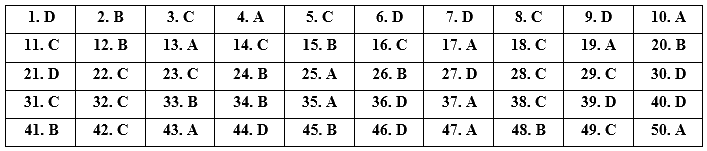
1. D
Kiến thức: Cấu trúc với “used to”
Giải thích: used to V_nguyên thể: đã từng làm gì (chỉ thói quen trong quá khứ)
Tạm dịch: Bố tôi thường đi chèo thuyền khi còn nhỏ.
= Bố tôi đã thường xuyên đi chèo thuyền khi còn nhỏ.
A. sai ở “go”
B. sai ở “goes”
C. sai ở “is”
Chọn D.
2. B
Kiến thức: Câu tường thuật
Giải thích:
Câu trực tiếp: “If I were you, I + would V(nguyên thể)”, S said.: Nếu tôi là bạn thì tôi sẽ …
Câu tường thuật: S advised + me + (not) + to V_nguyên thể.: Ai đó khuyên tôi làm gì
Tạm dịch: "Nếu tôi là bạn, tôi sẽ không cho anh ta mượn bất kỳ đồng nào cả." anh tôi nói.
= Anh tôi khuyên tôi không nên cho hắn ta mượn bất kỳ khoản tiền nào.
A. Anh tôi từ chối cho anh ấy mượn bất kỳ khoản tiền nào. => sai về nghĩa
C. sai ở “to not”
D. Anh tôi mời tôi không cho hắn ta mượn tiền. => sai về nghĩa
Chọn B.
3. C
Kiến thức: Câu bị động
Giải thích:
Câu chủ động: Did + S + V(nguyên thể)?
Câu bị động: Was/Were + S + Ved/V3?
at the same time as sth: cùng thời điểm, cùng lúc với cái gì
Tạm dịch: Họ đã xây dựng rạp xiếc cùng lúc với nhà hát đúng không?
= Rạp xiếc được xây dựng cùng lúc với nhà hát đúng không?
A. Họ đã xây dựng rạp xiếc miễn là nhà hát? => sai về nghĩa
B. Họ đã xây dựng rạp xiếc cùng với nhà hát? => sai về nghĩa
D. sai ở “of”
Chọn C.
4. A
Kiến thức: Đại từ quan hệ
Giải thích:
Dấu hiệu “the book” (quyển sách) => chỉ vật
Trong mệnh đề quan hệ:
- which + S + V: cái mà … => thay thế cho danh từ chỉ vật
Tạm dịch: Cuốn sách rất thú vị. Tôi đã mua nó tuần trước.
= Cuốn sách mà tôi mua tuần trước rất thú vị.
B. sai ở cấu trúc câu vì “which” không đứng sau danh từ “interesting”
C. sai vì thừa “it”
D. sai ở cấu trúc câu vì “which” không đứng sau danh từ “last week”
Chọn A.
5. C
Kiến thức: Thì hiện tại hoàn thành
Giải thích:
Thì hiện tại hoàn thành dùng để diễn tả hành động đã xảy ra trong quá khứ và vẫn còn tiếp diễn hoặc có ảnh hưởng đến hiện tại.
Công thức: S + have/has + Ved/V3.
since + mốc thời gian: kể từ khi nào
for + khoảng thời gian: khoảng bao lâu
“6 weeks” (6 tuần) là khoảng thời gian => dùng “for”
Tạm dịch: Họ bắt đầu làm việc trong công ty này từ 6 tuần trước.
= Họ đã làm việc trong công ty này được 6 tuần.
A. sai ở “6 weeks ago”
B. sai ở “have started”
D. sai ở “since 6 weeks”
Chọn C.
6. D
Kiến thức: Từ trái nghĩa
Giải thích:
cast an eye over: để mắt tới
A. stay uninformed of: không biết cái gì
B. keep in ignorance about: không biết cái gì
C. find it eye-catching with: cảm thấy bắt mắt
D. show disinterest in: không quan tâm đến cái gì
=> cast an eye over: để mắt tới >< show disinterest in: không quan tâm đến cái gì
Tạm dịch: Anh ấy thậm chí không để mắt đến bản báo cáo mà tôi đã dành một tháng để viết.
Chọn D.
7. D
Kiến thức: Ngôn ngữ giao tiếp
Giải thích:
Nick: "Chúng ta hãy đi học bằng xe đạp thay vì xe máy."
Mike: "__________"
A. Tôi cần nó
B. Tại sao vậy?
C. Không, tôi không đi
D. Ý kiến hay đấy!
Các phản hồi A, B, C không phù hợp với ngữ cảnh.
Chọn D.
8. C
Kiến thức: Ngôn ngữ giao tiếp
Giải thích:
Kate: "__________"
Mary: "Đừng lo lắng về điều đó"
A. Bạn có thể giúp tôi không?
B. Cảm ơn bạn đã mời tôi.
C. Xin lỗi vì tôi đã đến muộn
D. Bạn có cần giúp đỡ gì không?
Các phản hồi A, B, D không phù hợp với ngữ cảnh.
Chọn C.
9. D
Kiến thức: Ngôn ngữ giao tiếp
Giải thích:
Lee: "Hãy giúp tôi nhé?"
Jack: "__________"
A. Chưa
B. Tôi hứa
C. Không có gì
D. Chắc chắn, tôi sẽ rất vui lòng giúp đỡ
Các phản hồi A, B, C không phù hợp với ngữ cảnh.
Chọn D.
10. A
Kiến thức: Ngôn ngữ giao tiếp
Giải thích:
Tom: "Chúng ta có thể cùng nhau ăn ở đâu?"
Jane: "__________"
A. Tùy bạn
B. Vào lúc này ngày mai
C. Tôi biết
D. Tôi không muốn gặp bạn
Các phản hồi B, C, D không phù hợp với ngữ cảnh.
Chọn A.
11. C
Kiến thức: Trọng âm từ có 2 âm tiết
Giải thích:
A. lucky /ˈlʌki/
B. father /ˈfɑːðər/
C. agree /əˈɡriː/
D. famous /ˈfeɪməs/
Quy tắc:
- Động từ thường có trọng âm rơi vào âm tiết thứ hai.
- Danh từ, tính từ thường có trọng âm rơi vào âm thứ nhất.
Trọng âm đáp án C rơi vào âm tiết thứ hai, còn lại là âm thứ nhất.
Chọn C.
12. B
Kiến thức: Trọng âm từ có 3 âm tiết
Giải thích:
A. festival /ˈfestɪvl/
B. prediction /prɪˈdɪkʃn/
C. holiday /ˈhɑːlədeɪ/
D. gardener /ˈɡɑːrdnər/
Quy tắc: Những từ có tận cùng là đuôi “-tion” có trọng âm rơi vào âm tiết đứng ngay trước nó.
Trọng âm đáp án B rơi vào âm tiết thứ hai, còn lại là âm thứ nhất.
Chọn B.
13. A
Kiến thức: Mệnh đề chỉ nguyên nhân
Giải thích:
Because of + N/Ving: bởi vì
Because S + V: bởi vì
“Jack was afraid of being late” là một mệnh đề (S + V) nên phải dùng “because”.
Sửa: Because of => Because
Tạm dịch: Vì Jack sợ bị trễ nên anh phải bỏ bữa sáng nay.
Chọn A.
14. C
Kiến thức: to V/Ving
Giải thích:
spend + thời gian/ tiền + (on) + V-ing: dành bao nhiêu thời gian/ tiền bạc để làm gì
Sửa: to buy => buying
Tạm dịch: Mỗi tháng tôi thường dành một ít tiền để mua sách tiếng Anh.
Chọn C.
15. B
Kiến thức: Rút gọn mệnh đề quan hệ
Giải thích:
Mệnh đề quan hệ được rút gọn về dạng:
- Ving: khi mệnh đề dạng chủ động; having Ved/V3: khi mệnh đề được rút gọn xảy ra trước mệnh đề chính
- Ved: khi mệnh đề dạng bị động
- to V: khi trước danh từ là “the only/ first/ second/ so sánh nhất …”; dạng bị động: to be Ved/ V3.
Câu đầy đủ: The girl who sat next to me on the plane is a very well-known Kpop singer.
Sửa: sat => sitting
Tạm dịch: Cô gái ngồi cạnh tôi trên máy bay là một ca sĩ Kpop rất nổi tiếng.
Chọn B.
16. C
Kiến thức: Thì quá khứ đơn
Giải thích:
Dấu hiệu: sau “since” (từ khi) động từ chia ở quá khứ đơn.
Thì quá khứ đơn dùng để diễn tả một hành động xảy ra và đã kết thúc trong quá khứ.
Công thức: S + Ved/V cột 2.
Sửa: graduate => graduated
Tạm dịch: Tôi đã không gặp Martin kể từ khi chúng tôi tốt nghiệp đại học năm 2001.
Chọn C.
17. A
Kiến thức: Tính từ
Giải thích:
Phân biệt tính từ đuôi “-ing” và “-ed”:
- Đuôi “-ing”: được dùng để miêu tả ai, cái gì mang lại cảm giác như thế nào cho đối tượng khác.
- Đuôi “-ed”: được dùng để miêu tả ai cảm thấy như thế nào.
Chủ ngữ là “The movie” (Bộ phim) => cần tính từ chỉ đặc điểm, tính chất
Sửa: bored => boring
Tạm dịch: Bộ phim nhàm chán đến nỗi tất cả khán giả đã về nhà trước khi nó kết thúc.
Chọn A.
18. C
Kiến thức: Câu bị động
Giải thích: have sth + Ved/V3: nhờ ai đó làm gì/có cái gì được làm bởi ai đó (câu bị động truyền khiến)
Tạm dịch: Xe của bạn rất bẩn. Bạn nên đi rửa xe thường xuyên hơn.
Chọn C.
19. A
Kiến thức: Giới từ
Giải thích: in + năm: ở năm nào
Tạm dịch: Ti vi trở nên phổ biến vào những năm 1950.
Chọn A.
20. B
Kiến thức: Cụm từ
Giải thích: make sure that S + V: đảm bảo rằng, chắc chắn rằng
Tạm dịch: Hãy chắc chắn rằng bạn tắt tất cả đèn trước khi rời khỏi phòng.
Chọn B.
21. D
Kiến thức: Câu hỏi
Giải thích:
A. How often: tần suất nao nhiêu
B. How many: bao nhiêu
C. How far: bao xa
D. How long: bao lâu
Câu trả lời có chứa thời gian (15 phút) => cần câu hỏi về thời gian bao lâu.
Tạm dịch: - "Mất bao lâu để bạn đến trường mỗi ngày?" - "Khoảng mười lăm phút."
Chọn D.
22. C
Kiến thức: Câu ước ở hiện tại
Giải thích:
Câu ước ở hiện tại dùng để diễn tả một mong muốn trái ngược với thực tế ở hiện tại.
Công thức: S + wish + S + V-quá khứ đơn
Tạm dịch: Tôi ước bây giờ anh ấy có nhiều thời gian hơn để giúp bạn với bài học của bạn.
Chọn C.
23. C
Kiến thức: So sánh nhất
Giải thích:
short (adj): ngắn => tính từ có 1 âm tiết nên nó là tính từ ngắn
Cấu trúc so sánh nhất đối với tính từ ngắn: the + adj-est/ most adj
Tạm dịch: Hãy đi đường này. Đó là con đường ngắn nhất để đến thành phố.
Chọn C.
24. B
Kiến thức: Câu hỏi đuôi
Giải thích: S + was/were + V-ing, wasn’t/weren’t + S?
Tạm dịch: Bố bạn đã luôn hút thuốc, phải không?
Chọn B.
25. A
Kiến thức: Từ loại
Giải thích:
Dấu hiệu: sau động từ “speaks” (nói) cần một trạng từ để bổ sung nghĩa
A. fluently (adv): một cách lưu loát, trôi chảy
B. fluent (adj): tưu loát, trôi chảy
C. fluency (n): sự lưu loát, sự trôi chảy
D. more fluent: trôi chảy, lưu loát hơn
Tạm dịch: Mai nói tiếng Anh trôi chảy, vì vậy cô luôn giành giải nhất trong các cuộc thi nói tiếng Anh.
Chọn A.
26. B
Kiến thức: Mạo từ
Giải thích: in the + hướng: ở hướng nào
Tạm dịch: Hà Nội, một thành phố rất đẹp nằm ở phía Bắc Việt Nam.
Chọn B.
27. D
Kiến thức: Từ vựng
Giải thích:
have sth: có cái gì
find sth + adj: thấy cái gì như thế nào
Các cấu trúc:
have difficulty in doing sth: gặp khó khăn trong việc làm gì
find + O + difficult to do sth: cảm thấy khó khăn khi làm gì
Tạm dịch: Hầu hết các sinh viên đều gặp khó khăn khi nói chuyện với người nước ngoài trong lần đầu tiên.
Chọn D.
28. C
Kiến thức: Từ loại
Giải thích:
Sau tobe cần điền một tính từ.
A. excitement (n): sự kích thích, sự kích động
B. exciting (adj): hào hứng, thú vị
C. excited(adj): hào hứng, thú vị
D. excitedly (adv): hào hứng, thú vị
Phân biệt tính từ đuôi “-ing” và “-ed”:
- Đuôi “-ing”: được dùng để miêu tả ai, cái gì mang lại cảm giác như thế nào cho đối tượng khác.
- Đuôi “-ed”: được dùng để miêu tả ai cảm thấy như thế nào.
Tạm dịch: Bọn trẻ rất phấn khích vì mẹ chúng đang trở về nhà.
Chọn C.
29. C
Kiến thức: Danh từ ghép
Giải thích: Cấu trúc danh từ ghép: số-đơn vị thời gian (ví dụ: three-hour,…)
Tạm dịch: Sau ba giờ tìm kiếm, cô gái mất tích được tìm thấy tại nhà của một người bạn vẫn sống và có sức khỏe ổn định.
Chọn C.
30. D
Kiến thức: Từ vựng
Giải thích:
A. be interested + in: hào hứng, thích thú
B. be fond + of: mến, ưa thích
C. eager (adj): háo hức, hăm hở
D. be keen + on: say mê, ưa thích
Tạm dịch: Cô ấy không thích đến Tây Ban Nha vào kỳ nghỉ hè.
Chọn D.
31. C
Kiến thức: Mệnh đề chỉ sự nhượng bộ
Giải thích:
Sau chỗ trống là một mệnh đề (S + V).
A. Since S + V: vì
B. Despite + N/Ving: mặc dù => loại
C. Although S + V: mặc dù
D. Because S + V: bởi vì
Tạm dịch: Mặc dù bạn tôi bận, nhưng anh ấy đã tham gia bữa tiệc của tôi tối qua.
Chọn C.
32. C
Kiến thức: Câu tường thuật
Giải thích:
Tường thuật câu hỏi “wh-question”: S1 + asked + S2 + wh-question + S + V(lùi một thì).
what do you think => what I thought
Tạm dịch: Bố tôi hỏi tôi nghĩ gì về bộ phim.
Chọn C.
33. B
Kiến thức: Liên từ
Giải thích:
A. while S + V: khi, trong khi
B. unless S + V: nếu … không, trừ khi
C. if S + V: nếu
D. when S + V: khi, trong khi
Tạm dịch: Anh ấy sẽ trượt kỳ thi, nếu anh ấy không học chăm hơn.
Chọn B.
34. B
Kiến thức: to V/Ving
Giải thích: suggest + Ving: gợi ý, đề nghị làm gì
Tạm dịch: Chúng tôi đề nghị dạy trẻ em nghèo trong khu phố của chúng tôi vào mùa hè này.
Chọn B.
35. A
Kiến thức: Câu hỏi
Giải thích:
A. Would you mind + Ving: bạn có phiền
B. Would you like + to V: bạn có muốn
C. Would you please + V(nguyên thể): bạn sẽ vui lòng làm gì đó chứ
D. Would you + V(nguyên thể): Bạn sẽ
Tạm dịch: Bạn có phiền khi vặn nhỏ máy phát âm thanh nổi một chút không? Tôi đang học bài học.
Chọn A.
36. D
Kiến thức: Thì hiện tại hoàn thành
Giải thích:
Thì hiện tại hoàn thành dùng để diễn tả hành động đã xảy ra trong quá khứ và vẫn còn tiếp diễn hoặc có ảnh hưởng đến hiện tại.
Công thức: S + have/has + Ved/V3.
Dấu hiệu: This is the first time S + have/has + Ved/V3.
Tạm dịch: Đây là lần đầu tiên tôi xem bộ phim này.
Chọn D.
37. A
Kiến thức: Cụm động từ
Giải thích:
turned down: từ chối, bác bỏ
A. refused (v): từ chối
B. agreed (v): đồng ý
C. denied (v): từ chối, phản đối, phủ nhận
D. enjoyed (v): thích thú
=> turned down = refused (v): từ chối
Tạm dịch: Cô đã từ chối công việc mới ở New York vì cô không muốn chuyển đi.
Chọn A.
38. C
Kiến thức: Phát âm “-es”
Giải thích:
A. oranges /ˈɔːrɪndʒɪz/
B. brushes /ˈbrʌʃɪz/
C. kites /kaɪts/
D. catches /ˈkætʃɪz/
Quy tắc: Có 3 cách phát âm phụ âm cuối “s”:
- /s/: Khi từ có phát âm tận cùng là các phụ âm vô thanh /p/, k/, /f/, /ð/, /t/
- /ɪz/: Khi từ có phát âm tận cùng là các âm /s/, /ʃ/, /tʃ/, /z/, /ʒ/, /dʒ/ (thường có tận cùng là các chữ cái ce, x, z, sh, ch, s, ge, ss)
- /z/: Khi từ có tận cùng là các nguyên âm và các phụ âm còn lại.
Phần gạch chân đáp án C được phát âm là /s/, còn lại là /ɪz/.
Chọn C.
39. D
Kiến thức: Phát âm “-u”
Giải thích:
A. lunch /lʌntʃ/
B. much /mʌtʃ/
C. fun /fʌn/
D. push /pʊʃ/
Phần gạch chân đáp án D được phát âm là /ʊ/, còn lại là /ʌ/.
Chọn D.
40. D
Kiến thức: Phát âm “-g”
Giải thích:
A. guess /ɡes/
B. give /ɡɪv/
C. game /ɡeɪm/
D. large /lɑːrdʒ/
Phần gạch chân đáp án D được phát âm là /dʒ/, còn lại là /ɡ/.
Chọn D.
41. B
Kiến thức: Đọc hiểu
Giải thích: Chủ đề chính của đoạn văn là gì?
A. Bóng đá châu Phi bắt đầu như thế nào
B. Sự phổ biến của bóng đá
C. Lịch sử của bóng đá
D. Các câu lạc bộ bóng đá
Thông tin: Today, more than 120 million players over the globe participate in the game, making soccer the world's sport. So, why is soccer so popular?
Tạm dịch: Ngày nay, hơn 120 triệu người chơi trên thế giới tham gia vào trò chơi này, biến bóng đá thành môn thể thao của thế giới. Vậy, tại sao bóng đá lại phổ biến đến vậy?
Chọn B.
42. C
Kiến thức: Đọc hiểu
Giải thích: Theo đoạn văn, bóng đá mà chúng ta biết ngày nay bắt nguồn từ đâu?
A. Trung Quốc
B. Mỹ
C. Anh
D. Bồ Đào Nha
Thông tin: The sport we know today originated from Britain.
Tạm dịch: Môn thể thao mà chúng ta biết ngày nay có nguồn gốc từ Anh.
Chọn C.
43. A
Kiến thức: Đọc hiểu
Giải thích: Trong đoạn thứ hai, điều nào trong số này KHÔNG được đưa ra như một lý do có thể cho sự phổ biến của bóng đá?
A. Số lượng các trận bóng đá được hiển thị trên TV
B. Khả năng hoặc kiếm được nhiều tiền hơn
C. Người chơi nổi tiếng từ nhiều quốc gia khác nhau
D. Tinh thần đồng đội giữa các cầu thủ
Thông tin: In countries like France, England, Spain, Brazil, major teams have players from many different nations, and these clubs now have fans all over the world. (D) Or perhaps it's the promise of great wealth. (B) A number of professional soccer players, including Cameroon's Samuel Eto'o and Portugal's Cristiano Ronaldo, come from poor families. Today, both of these players make millions of euros every year. (C)
Tạm dịch: Ở các quốc gia như Pháp, Anh, Tây Ban Nha, Brazil, các đội bóng lớn có các cầu thủ từ nhiều quốc gia khác nhau và các câu lạc bộ này hiện có người hâm mộ trên toàn thế giới. Hoặc có lẽ đó là lời hứa về sự giàu có. Một số cầu thủ bóng đá chuyên nghiệp, bao gồm Samuel Eto'o và Cristiano Ronaldo của Bồ Đào Nha đều xuất thân từ các gia đình nghèo. Ngày nay, cả hai cầu thủ này kiếm được hàng triệu euro mỗi năm.
=> A không được nhắc đến.
Chọn A.
44. D
Kiến thức: Đọc hiểu
Giải thích: Tác giả có ý gì khi nói "Đây là một trò chơi đơn giản" trong đoạn 3?
A. Bạn cần có khả năng chơi bóng đá tốt
B. Có nhiều phiên bản bóng đá địa phương
C. Các quy tắc không khó để mọi người hiểu
D. Bạn có thể chơi nó ở bất cứ đâu với bất cứ cái gì
Thông tin: It's a simple game. It can be played anywhere with anything – a ball, a can, or even some bags tied together. And anyone can play it.
Tạm dịch: Đây là một trò chơi đơn giản. Nó có thể được chơi ở bất cứ đâu với bất cứ thứ gì - một quả bóng, một cái hộp, hoặc thậm chí một số túi gắn liền với nhau. Và bất cứ ai cũng có thể chơi nó.
Chọn D.
45. B
Kiến thức: Đọc hiểu
Giải thích: Từ "some" trong câu cuối của đoạn 4 nói về điều gì?
A. câu lạc bộ lớn
B. chàng trai nghèo
C. đội tuyển quốc gia
D. thành phố và thị trấn
Thông tin: … thousands of soccer academies now recruit boys from poorer cities and towns to play the game. Their dream is to join a national team or one of the big clubs in Europe someday. For some, the dream comes true, but for most, it doesn't.
Tạm dịch: … hàng ngàn học viện bóng đá hiện tuyển dụng các cậu bé từ các thành phố và thị trấn nghèo hơn để chơi trò chơi . Ước mơ của họ là được gia nhập một đội tuyển quốc gia hoặc một trong những câu lạc bộ lớn ở châu Âu vào một ngày nào đó. Đối với một số người, giấc mơ trở thành sự thật, nhưng đối với hầu hết mọi người, họ không thực hiện được điều này.
Chọn B.
Dịch bài đọc:
Bóng đá ở Hoa Kỳ có từ năm 2500 trước Công nguyên cùng với trò chơi tsu chu của Trung Quốc. Môn thể thao mà chúng ta biết ngày nay có nguồn gốc từ Anh. Ngày nay, hơn 120 triệu người chơi trên thế giới tham gia vào trò chơi này, biến bóng đá thành môn thể thao của thế giới.
Vậy, tại sao bóng đá lại phổ biến đến vậy? Có lẽ đó là cảm giác rằng đội trên sân là đội của bạn; chiến thắng của họ là chiến thắng của bạn, và mất mát của họ là thất bại của bạn. Hoặc có thể đó là chất lượng quốc tế của trò chơi. Ở các quốc gia như Pháp, Anh, Tây Ban Nha, Brazil, các đội bóng lớn có các cầu thủ từ nhiều quốc gia khác nhau và các câu lạc bộ này hiện có người hâm mộ trên toàn thế giới. Hoặc có lẽ đó là lời hứa về sự giàu có. Một số cầu thủ bóng đá chuyên nghiệp, bao gồm Samuel Eto'o và Cristiano Ronaldo của Bồ Đào Nha đều xuất thân từ các gia đình nghèo. Ngày nay, cả hai cầu thủ này kiếm được hàng triệu euro mỗi năm.
Tuy nhiên, cuối cùng, lý do chính cho sự hấp dẫn trên toàn cầu của nó có thể là: Đây là một trò chơi đơn giản. Nó có thể được chơi ở bất cứ đâu với bất cứ thứ gì - một quả bóng, một cái hộp, hoặc thậm chí một số túi gắn liền với nhau. Và bất cứ ai cũng có thể chơi nó.
Vào giữa những năm 1800, thực dân châu Âu đã mang trò chơi đến châu Phi. Các trận đấu đầu tiên được chơi lần đầu tiên tại các thành phố Cape Town của Nam Phi vào năm 1862: Ngày nay, một số cầu thủ giỏi nhất của trò chơi đến từ các quốc gia châu Phi và trên khắp lục địa, hàng ngàn học viện bóng đá hiện tuyển dụng các cậu bé từ các thành phố và thị trấn nghèo hơn để chơi trò chơi . Ước mơ của họ là được gia nhập một đội tuyển quốc gia hoặc một trong những câu lạc bộ lớn ở châu Âu vào một ngày nào đó. Đối với một số người, giấc mơ trở thành sự thật, nhưng đối với hầu hết mọi người, họ không thực hiện được điều này.
46. D
Kiến thức: Đại từ quan hệ
Giải thích:
Trong mệnh đề quan hệ:
- whose + N: thay thế cho tính từ sở hữu
- what: cái gì
- which: thay thế cho danh từ chỉ vật
- who: thay thế cho danh từ chỉ người
those = many people dream of living in a foreign country (những người mơ ước sống ở nước ngoài) => cần dùng đại từ thay thế cho từ chỉ người.
It can be an amazing experience for those (46) who are willing to settle down in a new place
Tạm dịch: Nó có thể là một trải nghiệm tuyệt vời cho những người sẵn sàng định cư ở một nơi mới.
Chọn D.
47. A
Kiến thức: Liên từ
Giải thích:
A. However, S + V: tuy nhiên
B. Moreover, S + V: hơn thế, hơn nữa
C. Although S + V: mặc dù
D. Therefore, S + V: do đó, do vậy
(47) However, there's one potential problem should be aware of: culture shock.
Tạm dịch: Tuy nhiên, có một vấn đề tiềm ẩn cần lưu ý đó là: sốc văn hóa.
Chọn A.
48. B
Kiến thức: Câu bị động
Giải thích:
Chủ ngữ “Societies” (các xã hội), động từ “organize” (tổ chức) => câu bị động
Câu bị động thì hiện tại đơn: S + am/is/are + Ved/V3.
A. organization (n): tổ chức
C. organize (v): tổ chức => organized (V_ed)
D. organizing (adj): tổ chức
Societies are (48) organized in many different ways.
Tạm dịch: Các xã hội được tổ chức theo nhiều cách khác nhau.
Chọn B.
49. C
Kiến thức: Từ vựng
Giải thích:
A. strange (adj): lạ, không quen
B. foreign (adj): nước ngoài, hải ngoại
C. local (adj): địa phương
D. overseas (adj): nước ngoài
Customs and traditions can be very different and that can sometimes make it difficult to get on with (49) local people who might not approve of things you do and might object to things you say.
Tạm dịch: Phong tục và truyền thống có thể rất khác nhau và đôi khi có thể gây khó khăn cho người dân địa phương, những người có thể không tán thành những việc bạn làm và có thể phản đối những điều bạn nói.
Chọn C.
50. A
Kiến thức: Cụm từ
Giải thích:
For example: ví dụ
(50) For example, in Singapore people can be forced to pay a large fine just for dropping rubbish.
Tạm dịch: Ví dụ, ở Singapore người ta có thể bị buộc phải trả một khoản tiền phạt lớn chỉ vì vứt rác.
Chọn A.
Dịch bài đọc:
SỐC VĂN HÓA
Nhiều người mơ ước được sống ở nước ngoài. Nó có thể là một trải nghiệm tuyệt vời cho những người sẵn sàng định cư ở một nơi mới. Tuy nhiên, có một vấn đề tiềm ẩn cần lưu ý đó là: sốc văn hóa. Sốc văn hóa là cảm giác chúng ta có được khi sống ở một nơi mà bạn thấy rất khác so với nơi chúng ta lớn lên đến nỗi chúng ta không chắc chắn làm thế nào để đối phó với nó. Các xã hội được tổ chức theo nhiều cách khác nhau. Phong tục và truyền thống có thể rất khác nhau và đôi khi có thể gây khó khăn cho người dân địa phương, những người có thể không tán thành những việc bạn làm và có thể phản đối những điều bạn nói. Bạn có thể bị cấm làm một số việc ở một quốc gia khác mà hoàn toàn hợp pháp theo cách riêng của bạn. Ví dụ, ở Singapore người ta có thể bị buộc phải trả một khoản tiền phạt lớn chỉ vì vứt rác. Cuối cùng, mặc dù vậy, hầu hết những người sống ở nước ngoài đều yêu đất nước mới và họ phải học cách chấp nhận sự khác biệt.
----HẾT----
Đề thi vào 10 môn Anh Nghệ An năm 2020
Đề bài
Choose the correct that has the same meaning as each of the following questions.
Question 1. “Can I borrow your book, Peter?”, asked Susan.
A. Susan could borrow Peter’s book.
B. Peter asked whether Susan could lend him her book.
C. Susan asked whether she could borrow Peter’s book.
D. Susan asked whether she can borrow a book.
Question 2. Unlike his brother, Tom goes jogging every day.
A. Tom doesn’t like his brother to go jogging.
B. Tom and his brother go jogging every day.
C. Tom’s brother goes jogging every day, but he doesn’t.
D. Tom goes jogging every day, but his brother doesn’t.
Read the passage below then answer each of the questions by choosing one correct option.
Charles Robert Darwin was born in Shrewsbury, England, on February 12, 1809. He came from a wealthy family and never had to work. He studied medicine and theology. In 1831, he had the chance to go on a scientific expedition. He sailed as a volunteer scientist aboard the HMS Beagle.
Everywhere the Beagle stopped, Darwin made observations of plants and animals. In the Galápagos Islands, Darwin noted that each island had its own form of tortoise, mockingbird, and finch. Each species on each island was slightly different. Darwin wondered if there were links between the similar species.
For the next 20 years, Darwin thought about what his observations might mean. He decided that the young of any species must compete for food in order to survive. Those with traits best suited to survival would grow up and reproduce offspring with those traits. Eventually, a new species would evolve. Darwin also thought that all species were descended from common ancestors. In 1859, he wrote a book called On the Origin of Species.
Many scientists did not believe his theory until modern genetics - the study of inherited traits - began in the early 1900s. Most attacks on Darwin’s ideas came from religious opponents. They thought that evolution denied the divine creation of human beings and made people and animals equal.
Darwin spent the rest of his life writing about his theory. He died on April 19, 1882.
(Extracted from: Microsoft ® Encarta ® 2009, © 1993 - 2008 Microsoft Corporation. All rights reserved)
Question 3. The word “Those” in line 10 refers to ………… .
A. Links between the similar species
B. Different plants and animals in the Galápagos Islands
C. The young of any species competing for food in order to survive
D. Darwin’s observations
Question 4. He died at the age of ………..
A. 79
B. 82
C. 51
D. 73
Question 5. Everywhere the Beagle stopped, Darwin watched……….
A. food for the young of any species
B. only plants
C. wild animals
D. plants and animals
Question 6. What is the main idea of the reading passage?
A. Darwin descended from a peasant family.
B. Religious authorities were in favor of his theory at that time.
C. Each species on each island was completely different.
D. Darwin contributed his theory to science.
Question 7. Choose the correct option that best completes the exchange in the following question.
Mary: Let me congratulate you on having a nice house.
Tom: _______________
A. Is it a nice house?
B. It’s very convenient.
C. It’s nice of you to say so.
D. I bought it last month.
Choose the correct option to complete each of the following questions.
Question 8. Mai will get her car _______ tomorrow.
A. washing
B. wash
C. washed
D. to wash
Question 9.
Ba: Do you think this T-shirt goes with my skirt?
Hoa: Well, no. They don’t ________ at all, actually.
A. match
B. tight
C. suit
D. fit
Question 10. Of all the watches I have ever bought, this is __________ one.
A. the most expensive.
B. more expensive
C. expensive
D. most expensive
Question 11. This tennis match will be postponed till next Saturday ________ the coming storm.
A. despite
B. in spite of
C. because of
D. because
Read the text below. Choose one correct option that best fits each of the numbered blanks.
ANIMAL TRAINER
I can’t remember any period in my life when we didn’t have pets at home. My parents both had office jobs and were out of the house for long hours every day, so they thought pets were good company for kids. As a result, I grew up understanding (12) _______ animals feel and how they should be treated. I took an active interest in animal training when I was about eleven. My parents (13) _______ a new parrot home and asked me to train him and look after him. He was the first pet I was completely responsible for and I spent hours teaching him to talk and do tricks! Later, I trained other animals, too: cats, dogs and even a small Capuchin monkey! It started (14) _______ a hobby, now I specialize in training animals that perform in advertisements and films.
I think it’s a fabulous job because I work with animals, which is such great fun, but also because I’m sometimes introduced to movie stars and (15) ________ celebrities when we’re filming!
(Extracted from: <https://www.dailymail.co.uk/news/article-2396570/Pets-depressed-left-home-day-working-owners.html>)
Question 12.
A. where
B. how
C. why
D. which
Question 13.
A. brings
B. bringing
C. brought
D. bring
Question 14.
A. like
B. so
C. and
D. as
Question 15.
A. other
B. each other
C. others
D. another
Choose the underlined part that needs correcting in each of the following questions.
Question 16. Never I have written such a good essay before.
Question 17. Your students seldom practice speaking English at home, don’t they?
Question 18. Choose the word whose main stress is placed differently from that of the rest.
A. happy
B. prepare
C. swimming
D. paper
Question 19. Choose the word that is CLOSEST in meaning to the underlined word in the following question.
We would be grateful if you could send us more information.
A. satisfied
B. lucky
C. interested
D. thankful
Question 20. Choose the word whose underlined part is pronounced differently from that of the rest in the following question.
A. recycle
B. local
C. count
D. consumer
-------THE END------
Đáp án
HƯỚNG DẪN GIẢI
Thực hiện: Ban Chuyên môn Loigiaihay.com

Question 1. C
Kiến thức: Câu tường thuật
Giải thích:
Công thức câu tường thuật câu hỏi Yes/No: S + asked + whether + S + V (lùi 1 thì)
“Tôi có thể mượn sách của bạn không, Peter?”, Susan hỏi.
A. Susan có thể mượn sách của Peter. => sai về nghĩa
B. Peter hỏi liệu rằng Susan có thể cho anh ấy mượn sách của cô ấy không. => sai về nghĩa
C. Susan hỏi liệu rằng cô ấy có thể mượn sách của Peter không
D. Sai công thức. Sửa: can => could
Chọn C
Question 2. D
Kiến thức: Câu đồng nghĩa
Giải thích:
Không giống em trai anh ta, Tom đi bộ mỗi ngày.
A. Tom không thích em trai anh ta đi bộ. => sai về nghĩa
B. Tom và am trai anh ta đi bộ mỗi ngày. => sai về nghĩa
C. Em trai Tom đi bộ mỗi ngày, nhưng anh ta thì không. => sai về nghĩa
D. Tom đi bộ mỗi ngày, nhưng em trai anh ta thì không.
Chọn D
Question 3. C
Kiến thức: Đọc hiểu
Giải thích:
Từ "Those" trong dòng 10 đề cập đến .............. .
A. Mối liên kết giữa các loài tương tự nhau
B. Các loài thực vật và động vật khác nhau ở quần đảo Galápagos
C. Con non của bất kỳ loài nào tranh giành thức ăn để sống sót
D. Những quan sát của Darwin
Thông tin: He decided that the young of any species must compete for food in order to survive. Those with traits best suited to survival would grow up and reproduce offspring with those traits.
Tạm dịch: Ông nhận định rằng những con non của bất kỳ loài nào cũng phải tranh giành thức ăn để sống sót. Những con có đặc điểm phù hợp nhất với sự sinh tồn sẽ lớn lên và sinh sản con cái với những đặc điểm đó.
Chọn C
Question 4. D
Kiến thức: Đọc hiểu
Giải thích:
Ông đã mất ở tuổi ............
A. 79
B. 82
C. 51
D. 73
Thông tin: Charles Robert Darwin was born in Shrewsbury, England, on February 12, 1809… He died on April 19, 1882.
Tạm dịch: Charles Robert Darwin sinh ra ở Shrewsbury, Anh, vào ngày 12 tháng 2 năm 1809 … Ông đã mất vào ngày 19 tháng 4 năm 1882.
Chọn D
Question 5. D
Kiến thức: Đọc hiểu
Giải thích:
Ở mọi nơi Beagle dừng chân, Darwin đã quan sát ........... .
A. thức ăn cho con non của bất kỳ loài nào
B. chỉ thực vật
C. động vật hoang dã
D. thực vật và động vật
Thông tin: Everywhere the Beagle stopped, Darwin made observations of plants and animals.
Tạm dịch: Ở mọi nơi Beagle dừng chân, Darwin đều quan sát thực vật và động vật.
Chọn D
Question 6. D
Kiến thức: Đọc hiểu
Giải thích:
Ý chính của bài đọc là gì?
A. Darwin xuất thân từ một gia đình nông dân. => sai nội dung
B. Các nhà chức trách tôn giáo đã ủng hộ thuyết của Darwin tại thời điểm đó. => sai nội dung
C. Mỗi loài trên mỗi đảo là hoàn toàn khác nhau. => chi tiết nhỏ trong bài
D. Darwin đã đóng góp lý thuyết của mình cho khoa học.
Chọn D
Dịch bài đọc:
Charles Robert Darwin sinh ra ở Shrewsbury, Anh, vào ngày 12 tháng 2 năm 1809. Ông xuất thân từ một gia đình giàu có và không bao giờ phải làm việc. Ông học ngành y học và Thần học. Năm 1831, ông có cơ hội đi thám hiểm khoa học. Ông làm một nhà khoa học tình nguyện trên tàu HMS Beagle.
Ở mọi nơi Beagle dừng chân, Darwin đều quan sát thực vật và động vật. Ở quần đảo Galápagos, Darwin nhận thấy rằng mỗi hòn đảo có hình dạng rùa, chim nhại và chim sẻ riêng. Mỗi loài trên mỗi hòn đảo hơi khác nhau một chút. Darwin tự hỏi liệu có mối liên kết nào giữa các loài tương tự nhau.
Trong 20 năm tiếp theo, Darwin nghĩ đến những quan sát của mình nói lên điều gì. Ông nhận định rằng những con non của bất kỳ loài nào cũng phải tranh giành thức ăn để sống sót. Những con có đặc điểm phù hợp nhất với sự sinh tồn sẽ lớn lên và sinh sản con cái với những đặc điểm đó. Cuối cùng, một loài mới sẽ phát triển. Darwin cũng nghĩ rằng tất cả các loài đều có nguồn gốc từ tổ tiên chung. Năm 1859, ông đã viết một cuốn sách có tên Nguồn gốc các loài.
Nhiều nhà khoa học đã không tin thuyết của ông cho đến khi di truyền học hiện đại - nghiên cứu về các đặc điểm di truyền - bắt đầu vào đầu những năm 1900. Hầu hết các cuộc tấn công vào ý tưởng của Darwin, đến từ các đối thủ tôn giáo. Họ nghĩ rằng thuyết tiến hóa đã phủ nhận sự hình thành thiêng liêng của con người và làm cho con người và động vật trở nên như nhau.
Darwin đã dành phần còn lại của cuộc đời mình để viết về lý thuyết của mình. Ông đã mất vào ngày 19 tháng 4 năm 1882.
Question 7. C
Kiến thức: Ngôn ngữ giao tiếp
Giải thích:
Mary: Chúc mừng bạn có nhà đẹp nhé.
Tom: ____________
A. Ngôi nhà đẹp chứ?
B. Nó rất thuận tiện
C. Bạn thật tốt khi nói vậy
D. Tôi muốn nó tháng trước
Các phản hồi A, B, D không phù hợp với ngữ cảnh.
Chọn C
Question 8. C
Kiến thức: Cấu trúc bị động với “get”
Giải thích:
- Chủ động: S + get + sb + to V + sth
- Bị động: S + get + sth + V_ed/P2 + (by O): có cái gì được hoàn thành bởi ai đó
Tạm dịch: Mai sẽ thuê người rửa chiếc xe của cô ấy ngày mai.
Chọn C
Question 9. A
Kiến thức: Từ vựng
Giải thích:
A. match (v): hợp => thường được dùng để nói về sự phù hợp của 2 vật cùng màu sắc, kiểu dáng hoặc cùng loại.
B. tight (adj): kín, chặt
C. suit (v): phù hợp (về kiểu dáng và màu sắc) => thường được dùng để nói về sự phù hợp của 1 vật với 1 người
D. fit (v): vừa vặn => thường được sử dụng để nói đến kích thước và hình dạng của vật.
Tạm dịch:
Ba: Cậu có nghĩ cái áo thun này hợp với chiếc váy của tớ không?
Hoa: Ồ, không đâu. Thực sự chúng không hợp chút nào.
Chọn A
Question 10. A
Kiến thức: So sánh nhất
Giải thích:
“expensive” là tính từ dài
- Công thức so sánh nhất của tính từ dài: S + tobe + the most + adj + N
Tạm dịch: Trong tất cả đồng hồ tôi từng mua, đó là chiếc đắt nhất.
Chọn A
Question 11. C
Kiến thức: Liên từ
Giải thích:
A. despite + N/V-ing: mặc dù
B. in spite of + N/V-ing: mặc dù
C. because of + N/V-ing: bởi vì
D. because + S + V: bởi vì
“the coming storm” là cụm danh từ => loại D
Tạm dịch: Trận đấu tennis sẽ bị hoãn đến tận thứ 7 tuần tới bởi vì cơn bão sắp tới.
Chọn C
Question 12. B
Kiến thức: Từ để hỏi
Giải thích:
A. where: ở đâu
B. how: như thế nào
C. why: tại sao
D. which: cái gì, cái nào
As a result, I grew up understanding (12) how animals feel and how they should be treated.
Tạm dịch: Kết quả là, tôi lớn lên hiểu được động vật cảm thấy như thế nào và chúng nên được đối xử như thế nào.
Chọn B
Question 13. C
Kiến thức: Thì quá khứ đơn
Giải thích:
Dấu hiệu: vế sau có động từ “asked” chia quá khứ đơn
=> động từ “bring” cũng chia quá khứ đơn
My parents (13) brought a new parrot home and asked me to train him and look after him.
Tạm dịch: Bố mẹ tôi đã mang một chú vẹt về nhà và yêu cầu tôi huấn luyện nó và chăm sóc nó.
Chọn C
Question 14. D
Kiến thức: Liên từ
Giải thích:
A. like + N: giống => so sánh ai/cái gì với cái gì
B. so + S + V: vì vậy
C. and + N / S + V: và
D. as + N: như, như là (tả thực ai/cái gì)
It started (14) as a hobby, now I specialize in training animals that perform in advertisements and films.
Tạm dịch: Nó bắt đầu như một sở thích, và giờ đây tôi chuyên về đào tạo động vật mà trình diễn trong quảng cáo và phim.
Chọn D
Question 15. A
Kiến thức: Đại từ định lượng
Giải thích:
A. other + N số nhiều
B. each other: lẫn nhau
C. others = other + N số nhiều
D. another + N số ít: một…khác
I think it’s a fabulous job because I work with animals, which is such great fun, but also because I’m sometimes introduced to movie stars and (15) other celebrities when we’re filming!
Tạm dịch: Tôi nghĩ rằng đó là một công việc tuyệt vời bởi vì tôi làm việc với động vật, đó là một niềm vui lớn, đồng thời cũng bởi vì tôi đôi khi được giới thiệu với các ngôi sao điện ảnh và những người nổi tiếng khác khi chúng tôi quay phim!
Chọn A
Dịch bài đọc:
Tôi không thể nhớ bất kỳ giai đoạn nào trong đời mà chúng tôi không có thú cưng trong nhà. Bố mẹ tôi đều có công việc văn phòng và vắng nhà nhiều giờ mỗi ngày, vì vậy họ nghĩ rằng thú cưng là người bạn tốt cho trẻ con. Kết quả là, tôi lớn lên hiểu được động vật cảm thấy như thế nào và chúng nên được đối xử như thế nào. Tôi đã có hứng thú thực sự trong việc huấn luyện động vật khi tôi khoảng 11 tuổi. Bố mẹ tôi đã mang một chú vẹt về nhà và yêu cầu tôi huấn luyện nó và chăm sóc nó. Nó là thú cưng đầu tiên tôi hoàn toàn chịu trách nhiệm và tôi dành nhiều giờ để dạy nó nói chuyện và làm những trò tinh nghịch! Sau đó, tôi cũng huấn luyện các động vật khác: mèo, chó và thậm chí là một con khỉ Capuchin nhỏ! Nó bắt đầu như một sở thích, và giờ đây tôi chuyên về đào tạo động vật mà trình diễn trong quảng cáo và phim.
Tôi nghĩ rằng đó là một công việc tuyệt vời bởi vì tôi làm việc với động vật, đó là một niềm vui lớn, đồng thời cũng bởi vì tôi đôi khi được giới thiệu với các ngôi sao điện ảnh và những người nổi tiếng khác khi chúng tôi quay phim!
Question 16. A
Kiến thức: Đảo ngữ
Giải thích:
Vì “never” mang nghĩa phủ định đứng đầu câu nên ta phải đảo ngữ động từ sau nó.
Cấu trúc: Never + trợ động từ + S + V (nguyên thể) …
Sửa lại: I have written => have I written
Tạm dịch: Chưa bao giờ tôi viết một bài văn tốt như thế trước đây.
Chọn A
Question 17. C
Kiến thức: Câu hỏi đuôi
Giải thích:
Cấu trúc câu hỏi đuôi:
- Vế trước có “seldom” mang nghĩa phủ định => câu hỏi đuôi ở thể khẳng định.
- Chủ ngữ là "Your students" => trong câu hỏi đuôi đổi thành "they".
Sửa lại: don’t => do
Tạm dịch: Học sinh của bạn hiếm khi luyện nói tiếng Anh ở nhà, đúng không?
Chọn C
Question 18. B
Kiến thức: Trọng âm từ có 2 âm tiết
Giải thích:
A. happy /ˈhæpi/
B. prepare /prɪˈpeə/
C. swimming /ˈswɪmɪŋ/
D. paper /ˈpeɪpə/
Quy tắc:
- Tính từ, danh từ có 2 âm tiết trọng âm thường rơi vào âm tiết thứ 1.
- Động từ có 2 âm tiết trọng âm thường rơi vào âm tiết thứ 2.
Câu B trọng âm rơi vào âm tiết 2, còn lại rơi vào âm tiết 1.
Chọn B
Question 19. D
Kiến thức: Từ đồng nghĩa
Giải thích:
grateful (a): biết ơn
A. satisfied (a): thỏa mãn
B. lucky (a): may mắn
C. interested (a): quan tâm
D. thankful (a): biết ơn
=> grateful = thankful
Tạm dịch: Chúng tôi sẽ rất biết ơn nếu bạn có thể gửi cho chúng tôi thêm thông tin.
Chọn D
Question 20. A
Kiến thức: Phát âm 'c'
Giải thích:
A. recycle /ˌriːˈsaɪkl/
B. local /ˈləʊkl/
C. count /kaʊnt/
D. consumer /kənˈsjuːmə/
Phần gạch chân đáp án A phát âm là /s/, còn lại là /k/
Chọn A
--------HẾT-------
Đề thi vào 10 môn Anh Nghệ An năm 2019
Đề bài
Read the passage and choose the correct answer from options A, B, C and D for each gap.
ART PROJECT BRINGS JOY TO PEOPLE
Artists have been travelling around Viet Nam telling people about art and showing them _(1)_ it can make their lives better. By doing this project they give people the chance to think about their dreams and their favourite memories. Both children and adults have become involved. A singer has even _(2)_ a special song about the project. In September, a group of 16 young and telented artists and students began a journey across the nation to bring art closer to different community groups through a project titled Geo(Sowing). They wanted _(3)_ that art connects people and that art can heal everyone. The group took 45 days to complete a nationawide journey through eight destinations from North to South. They interacted _(4)_ about 700 people, teaching them art and inspiring up one million followers through social networking.
Câu 1.
A. why
B. how
C. that
D. what
Câu 2.
A. looked up
B. given up
C. grown up
D. made up
Câu 3.
A. prove
B. proving
C. to be proved
D. to prove
Câu 4.
A. on
B. to
C. by
D. with
Choose the correct sentence that has the same meaning as the original one.
Câu 5. Will you take care of my cat when I’m away?
A. Will you take my cat away with you?
B. I want you to look for my cat.
C. I love my cat very much.
D. Will you look after my cat when I’m away?
Câu 6. They are building a new hospital in my neighbourhood.
A. A new hospital is built in my neighbourhood.
B. A new hospital is building in my neighbourhood.
C. A new hospital is being built in my neighbourhood.
D. A new hospital builds in my neighbourhood.
Choose from the four options given ( marked A, B, C and D) one correct answer to complete each sentence.
Câu 7. Peter, who is studying Vietnamese at Vinh University, is a friend of ................... .
A. I
B. my
C. me
D. mine
Câu 8. The most disastrous earthquake in Japan, which occurred in 1923............. about 150,000 people.
A. damaged
B. destroyed
C. caused
D. killed
Câu 9. It’s very dark in the room. Please turn............... the lights, boy!
A. up
B. down
C. on
D. off
Câu 10. Many plants and animals species are now in.................. of extiction.
A. endanger
B. danger
C. dangerous
D. dangerously
Câu 11. Mary: “ Would you like to drink some water?”
Jane: “ .................... “
A. Yes, I’d love to.
B. Yes, I do.
C. Yes, I will.
D. I drink water.
Read the passage bellow and choose the correct answer.
Great minds: Albert Einstein
You would probably recognize Albert Einstein from his photos. He was the guy with the crazy hair! He was more than just a scientist. He was a genius who changed our lives. Einstein’s discoveries made things like television, DVD players, and garage door openers possible.
Einstein was born in Germany in 1879. He performed extremely well in school. He quickly advanced to higher level math and science topics, and his teachers were impressed by his grasp of college-level physics
concepts by the time he was eleven. When he was young, he met a Polish medical student named Max Talmud. Talmud became his tutor. He showed Einstein a children’s textbook about science. Einstein became curious about light and other things.
Einstein later attended school in Switzerland. He made many friendships. He also met his future wife, Mileva Maric. She was a Serbian physics student. Einstein received his doctorate in 1905. Einstein decided to leave and go to the United States in 1933 and it’s a good thing he did. Einstein’s work was and is valuable to the world. This is one of the reasons he eventually won the Nobel Prize in Physics. The Nobel Prize is a very famous award given to someone who has done outstanding work in different subjects like science or medicine. Einstein died in 1955.
(https://www.superteacherworksheets.com/reading-comp/6th-great-minds-alberteinstein.pdf?up=1490800415)
Câu 12. The word “outstanding” in the last paragraph has the same meaning as................ .
A. excellent
B. successful
C. overweight
D. profitable
Câu 13. When did Einstein meet his wife?
A. When he was in Poland.
B. When he received his doctorate in 1905.
C. In 1933.
D. After he had attended school in Switzerland.
Câu 14. Where was Albert Einstein born?
A. In the United States.
B. In Serbia.
C. In Germany
D. In Switzerland
Câu 15. Which of the following statements is NOT true according to the passage?
A. Einstein was not only a scientist but also a genius.
B. Einstein won the Nobel Prize in Math and Physics.
C. The invention of television was based on Einstein’s discoveries.
D. The Nobel Prize is a very famous award about science or medicine.
Choose the underlined word or phrase in each sentence that needs correcting.
Câu 16. Practicing his speaking English every day (A), his hope was (B) to get (C) a good job in a foreign company (D).
Câu 17. People have used (A) leather to make (B) shoes since (C) hundreds of (D) years.
Câu 18. Choose the word whose main stress is placed differently from that of the rest in each of the following questions.
A. worker
B. faucet
C. classmate
D. enjoy
Câu 19. Choose the word whose underlined part is pronounced differently from that of the rest.
A. cracks
B. celebrations
C. students
D. crops
Câu 20. Choose a word or phrase among A, B, C and D that has the CLOSEST meaning to the underlined word.
My uncle Tom used to grow corn on the farm but now he works as a businessman.
A. wheat
B. maize
C. pepper
D. rice
__________THE END___________
Đáp án
HƯỚNG DẪN GIẢI
Thực hiện: Ban Chuyên môn Loigiaihay.com
Question 1.
Kiến thức: Đại từ quan hệ
Giải thích:
Đại từ quan hệ thay thế cho các mục đích:
why: lý do
how: cách thức, thế nào
that: từ chỉ vật
what: là cái gì
Trong câu có: "make …better": làm cho cái gì tốt hơn
=> chọn "how"
Artists have been travelling around Viet Nam telling people about art and showing them _(1)_ it can make their lives better.
Tạm dịch: Các nghệ sĩ đã đi du lịch vòng quanh Việt Nam nói với mọi người về nghệ thuật và cho họ thấy cách làm cho cuộc sống của họ tốt hơn.
Đáp án: B
Question 2.
Kiến thức: Từ vựng
Giải thích:
looked up (from sth): nhìn lên
given up: bỏ cuộc
grown up: lớn lên
made up : làm , sáng tác
A singer has even _(2)_ a special song about the project.
Tạm dịch: Một ca sĩ thậm chí còn sáng tác một bài hát đặc biệt cho dự án.
Đáp án: D
Question 3.
Kiến thức: Cụm động từ
Giải thích:
want + to_V : muốn làm gì
They wanted _(3)_ that art connects people and that art can heal everyone.
Tạm dịch: Họ muốn chứng minh rằng nghệ thuật kết nối mọi người và nghệ thuật đó có thể chữa lành mọi vết thương cho mọi người.
Đáp án: D
Question 4.
Kiến thức: Từ vựng
Giải thích:
Cụm từ interacted with: giao tiếp/ tương tác với ai
They interacted _(4)_ about 700 people, teaching them art and inspiring up one million followers through social networking.
Tạm dịch: Họ tương tác với khoảng 700 người, dạy họ nghệ thuật và truyền cảm hứng cho một triệu người theo dõi qua mạng xã hội.
Đáp án: D
Dịch đoạn văn:
DỰ ÁN NGHỆ THUẬT MANG YÊU THÍCH ĐẾN CHO CON NGƯỜI
Các nghệ sĩ đã đi du lịch vòng quanh Việt Nam nói với mọi người về nghệ thuật và cho họ thấy cách làm cho cuộc sống của họ tốt hơn. Bằng cách thực hiện dự án này, họ cung cấp cho mọi người cơ hội để suy nghĩ về những giấc mơ của họ và những kỷ niệm yêu thích của họ. Cả trẻ em và người lớn đều tham gia. Một ca sĩ thậm chí còn sáng tác một bài hát đặc biệt cho dự án. Vào tháng 9, một nhóm gồm 16 nghệ sĩ và sinh viên trẻ bắt đầu một cuộc hành trình xuyên quốc gia để mang nghệ thuật đến gần các nhóm cộng đồng khác nhau qua một dự án có tên Geo (gieo hạt). Họ muốn chứng minh rằng nghệ thuật kết nối mọi người và nghệ thuật đó có thể chữa lành mọi vết thương cho mọi người. Nhóm đã mất 45 ngày để hoàn thành một cuộc hành trình trên toàn quốc qua tám điểm đến từ Bắc vào Nam. Họ tương tác với khoảng 700 người, dạy họ nghệ thuật và truyền cảm hứng cho một triệu người theo dõi qua mạng xã hội.
Đáp án: D
Question 5.
Kiến thức: Tìm câu đồng nghĩa
Giải thích:
Cụm từ: take care of = look after : chăm sóc
Tạm dịch: Bạn sẽ chăm sóc con mèo của tôi khi tôi đi chứ?
A. Bạn sẽ đưa con mèo của tôi đi với bạn?
B. Tôi muốn bạn tìm con mèo của tôi.
C. Tôi yêu con mèo của tôi rất nhiều.
D. Bạn sẽ chăm sóc con mèo của tôi khi tôi đi chứ?
Đáp án: D
Question 6.
Kiến thức: Câu bị động thì hiện tại tiếp diễn
Giải thích:
Chủ động: S + be Ving + O
Bị động: S + be being + VpII + (by + O)
Tạm dịch: Họ đang xây dựng một bệnh viện mới trong khu phố của tôi.
A. Một bệnh viện mới được xây dựng trong khu phố của tôi.
B. Một bệnh viện mới đang xây dựng trong khu phố của tôi.
C. Một bệnh viện mới đang được xây dựng trong khu phố của tôi.
D. Một bệnh viện mới được xây dựng trong khu phố của tôi.
Đáp án: C
Question 7.
Kiến thức: Đại từ sở hữu
Giải thích: Sử dụng đại từ sở hữu "mine" làm tân ngữ sau "of"
Tạm dịch: Peter, người đang học tiếng Việt tại Đại học Vinh, là bạn của tôi.
Đáp án: D
Question 8.
Kiến thức: Từ vựng
Giải thích:
damaged: hư hỏng
destroyed: phá hủy
caused: gây ra
killed: giết hết
Tạm dịch: Trận động đất tai hại nhất ở Nhật Bản, xảy ra vào năm 1923 đã giết chết khoảng 150.000 người.
Đáp án: D
Question 9.
Kiến thức: Từ vựng
Giải thích:
turn up: tăng
turn down: giảm
turn on: mở/ bật
turn off: tắt
Tạm dịch: Trong phòng rất tối. Làm ơn hãy bật đèn lên, cậu bé!
Đáp án: C
Question 10
Kiến thức: Từ loại
Giải thích:
endanger (v): gây nguy hiểm
danger (n): sự nguy hiểm/ tuyệt chủng
dangerous (adj): nguy hiểm
dangerously (adv): nguy hiểm
Tạm dịch: Nhiều loài thực vật và động vật hiện đang có nguy cơ tuyệt chủng.
Đáp án: B
Question 11.
Kiến thức: Ngôn ngữ giao tiếp
Giải thích:
Mary: "Bạn có muốn uống một ít nước không?" - Jane: "...................."
A. Có, tôi rất muốn.
B. Có, tôi đã làm.
C. Vâng, tôi sẽ.
D. Tôi uống nước.
Đáp án: A
Question 12.
Kiến thức: Từ vựng
Giải thích:
Từ “xuất sắc” trong đoạn cuối cùng có ý nghĩa giống như .................
A. tuyệt vời
B. thành công
C. thừa cân
D. lợi ích
Đáp án: A
Question 13.
Kiến thức: Đọc hiểu
Giải thích:
Einstein đã gặp vợ ông khi nào?
A. Khi ông ở Ba Lan.
B. Khi ông nhận bằng tiến sĩ năm 1905.
C. Năm 1933.
D. Sau khi ông học ở Thụy Sĩ.
Thông tin: Einstein later attended school in Switzerland. He made many friendships. He also met his future wife, Mileva Maric.
Tạm dịch: Einstein sau đó đã theo học ở Thụy Sĩ. Ông đã có nhiều bạn bè. Ông cũng gặp người vợ tương lai của mình, Mileva Maric.
Đáp án: D
Question 14.
Kiến thức: Đọc hiểu
Giải thích:
Albert Einstein sinh ra ở đâu?
A. Tại Hoa Kỳ.
B. Ở Serbia.
C. Tại Đức
D. Ở Thụy Sĩ
Thông tin: Einstein was born in Germany in 1879.
Tạm dịch: Einstein được sinh ra ở Đức vào năm 1879.
Đáp án: C
Question 15.
Kiến thức: Đọc hiểu
Giải thích:
Câu nào sau đây KHÔNG đúng theo đoạn văn?
A. Einstein không chỉ là một nhà khoa học mà còn là một thiên tài.
B. Einstein đã đoạt giải Nobel về Toán và Vật lý.
C. Việc phát minh ra truyền hình dựa trên những khám phá của Einstein.
D. Giải Nobel là một giải thưởng rất nổi tiếng về khoa học hoặc y học.
Thông tin: This is one of the reasons he eventually won the Nobel Prize in Physics. The Nobel Prize is a very famous award given to someone who has done outstanding work in different subjects like science or medicine.
Tạm dịch: Đây là một trong những lý do cuối cùng ông đã đoạt giải Nobel Vật lý. Giải thưởng Nobel là một giải thưởng rất nổi tiếng dành cho những người đã làm công việc xuất sắc trong các môn học khác nhau như khoa học hoặc y học.
Đáp án: B
Dịch đoạn văn:
Lý tưởng vĩ đại: Albert Einstein
Có thể bạn sẽ nhận ra Albert Einstein từ các bức ảnh của ông. Ông là chàng trai với mái tóc điên rồ! Ông không chỉ là một nhà khoa học. Ông là một thiên tài đã thay đổi cuộc sống của chúng ta. Những khám phá của Einstein đã tạo ra những thứ như tivi, đầu DVD và mở cửa nhà để xe.
Einstein được sinh ra ở Đức vào năm 1879. Ông đã học tập rất tốt ở trường. Ông nhanh chóng nâng cao các chủ đề toán học và khoa học cấp cao hơn, và giáo viên của ông đã rất ấn tượng bởi sự hiểu biết của ông về vật lý cấp đại học
các khái niệm vào thời điểm anh ta mười một tuổi. Khi còn trẻ, ông gặp một sinh viên y khoa Ba Lan tên là Max Talmud. Talmud trở thành gia sư của ông. Ông đã cho Einstein xem sách giáo khoa của trẻ em về khoa học. Einstein trở nên tò mò về ánh sáng và những thứ khác.
Einstein sau đó đã theo học ở Thụy Sĩ. Ông đã có nhiều bạn bè. Ông cũng gặp người vợ tương lai của mình, Mileva Maric. Bà là một sinh viên vật lý Serbia. Einstein nhận bằng tiến sĩ năm 1905. Einstein quyết định rời khỏi Hoa Kỳ vào năm 1933 và đó là một điều tốt mà ông đã làm. Công trình của Einstein từ xưa và nay có giá trị đối với thế giới. Đây là một trong những lý do cuối cùng ông đã đoạt giải Nobel Vật lý. Giải thưởng Nobel là một giải thưởng rất nổi tiếng dành cho những người đã làm công việc xuất sắc trong các môn học khác nhau như khoa học hoặc y học. Einstein qua đời năm 1955.
Question 16.
Kiến thức: Câu rút gọn chủ ngữ
Giải thích:
Trong câu, vế đầu tiên sử dụng Ving để lược chủ ngữ, vế sau phải có chủ ngữ.
his hope was => he hoped
Tạm dịch: Luyện tiếng Anh mỗi ngày, anh ấy hy vọng sẽ xin một công việc tốt của công ty nước ngoài.
Đáp án: B
Question 17.
Kiến thức: Thì hiện tại hoàn thành
Giải thích:
Thì hiện tại hoàn thành sử dụng các trạng từ:
since + mốc thời gian
for + khoảng thời gian
Ở đây: hundreds of years :là một khoản g thời gian
Tạm dịch: Mọi người đã sử dụng da để làm giày từ hàng trăm năm nay.
Đáp án: C
Question 18.
Kiến thức: Trọng âm từ có hai âm tiết
Giải thích:
worker /'wə:kə/
faucet /'fɔ:sit/
classmate /ˈklɑːsmeɪt/
enjoy /in'dʤɔi/
Đáp án D, trọng âm rơi vào âm tiết thứ hai, còn lại rơi vào âm tiết thứ nhất.
Đáp án: D
Question 19.
Kiến thức: Phát âm "s"
Giải thích:
Quy tắc 1: Phát âm là /s/ khi tận cùng từ bằng -p, -k, -t, -f.
EX: stops [stops] works [wə:ks]
Quy tắc 2: Phát âm là /iz/ khi tận cùng từ bằng -s,-ss,-ch,-sh,-x,-z,-o,-ge,-ce.
EX: misses /misiz/ ; watches [wochiz]
Quy tắc 3: Phát âm là /z/ đối với những từ còn lại.
Đáp án B, "s" được phát âm là /z/, còn lại phát âm là /s/
Đáp án: B
Question 20.
Kiến thức: Từ vựng
Giải thích:
wheat: lúa mì
maize: ngô
pepper : tiêu
rice: cơm
Tạm dịch: Chú của tôi, Tom đã từng trồng ngô trên trang trại nhưng bây giờ anh ấy là một doanh nhân.
Đáp án: B
Luyện trắc nghiệm Toán lớp 1 Lớp LOP9
Học đi đôi với hành! Làm ngay các bộ đề trắc nghiệm chấm điểm tức thì, có đáp án chi tiết giúp ghi nhớ kiến thức sâu và chuẩn bị tốt cho các bài kiểm tra.
Học tập & ôn luyện trên ứng dụng Tri Thức Hub
Tải ứng dụng Tri Thức Hub trên điện thoại hoặc máy tính bảng (hỗ trợ Android & iOS) để làm bài kiểm tra, luyện tập và lưu tiến độ học tập!